I PUSH MY OWN LIMITS BY IMMERSING MYSELF IN PHOTOGRAPHY.
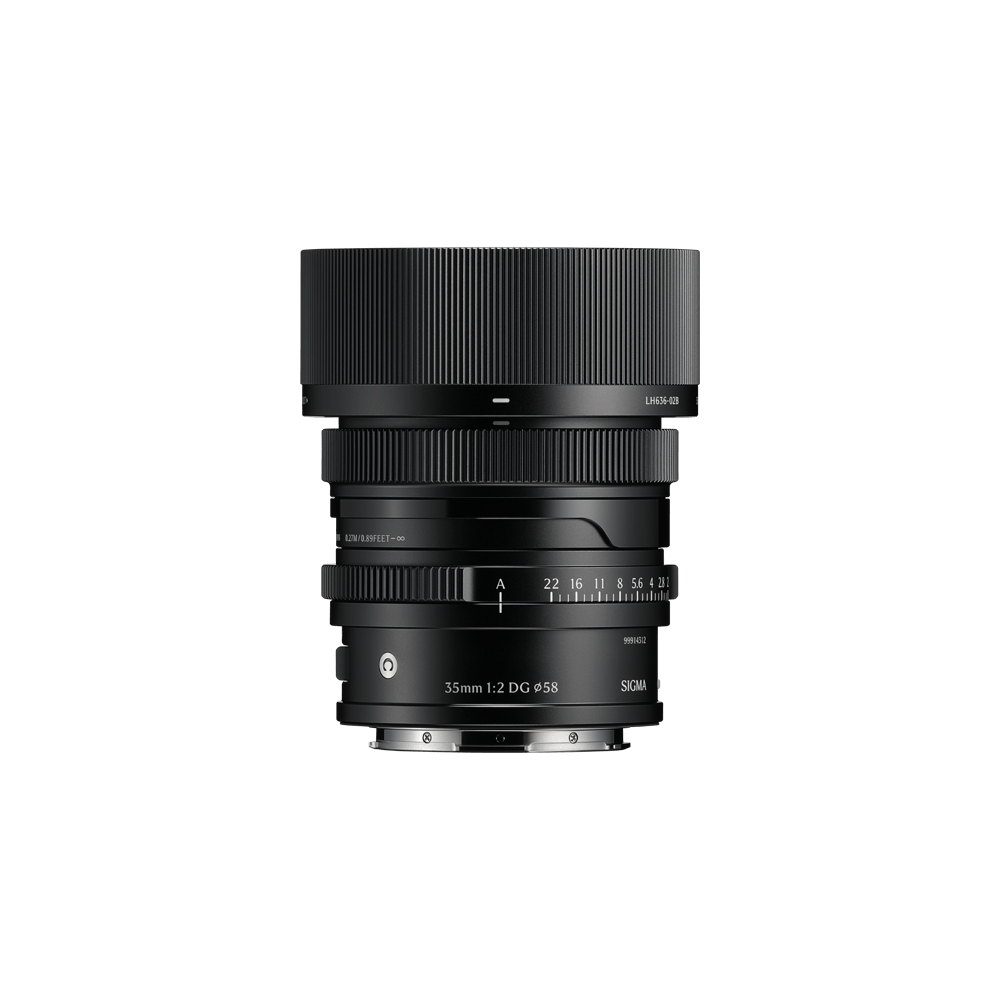
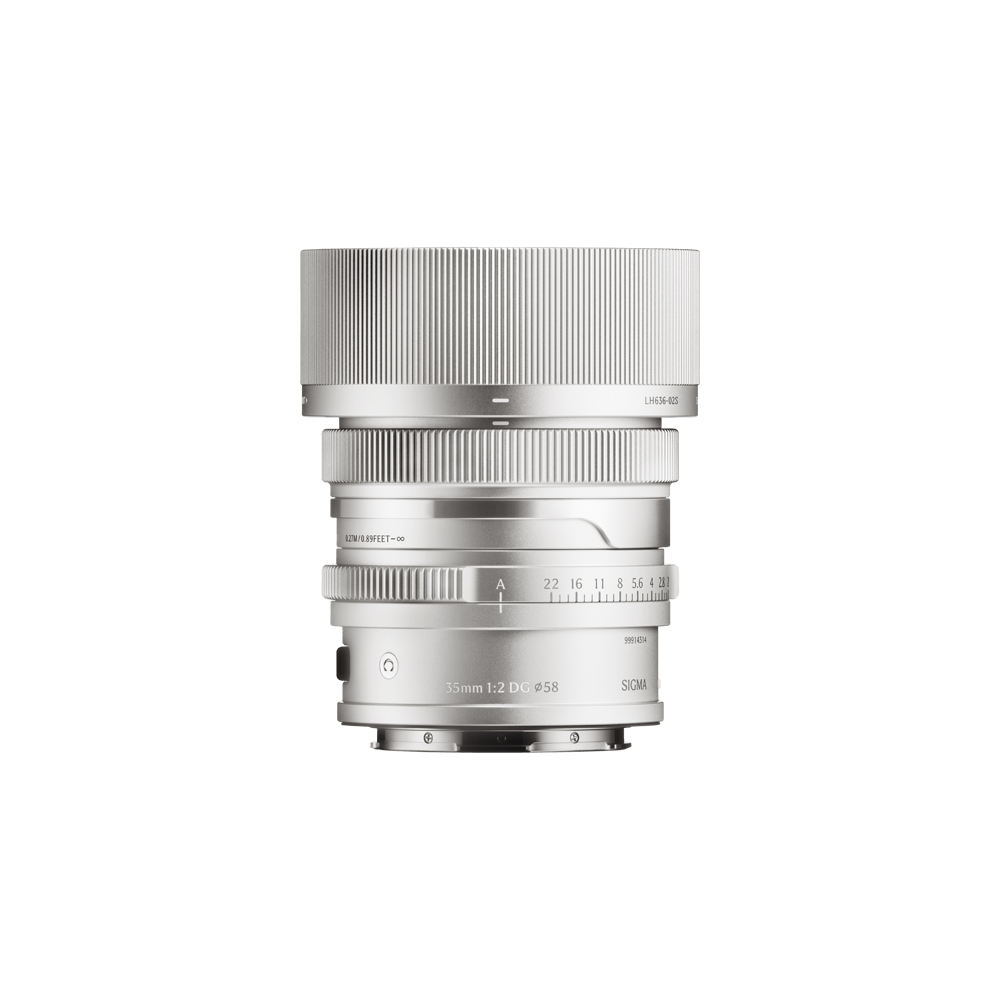
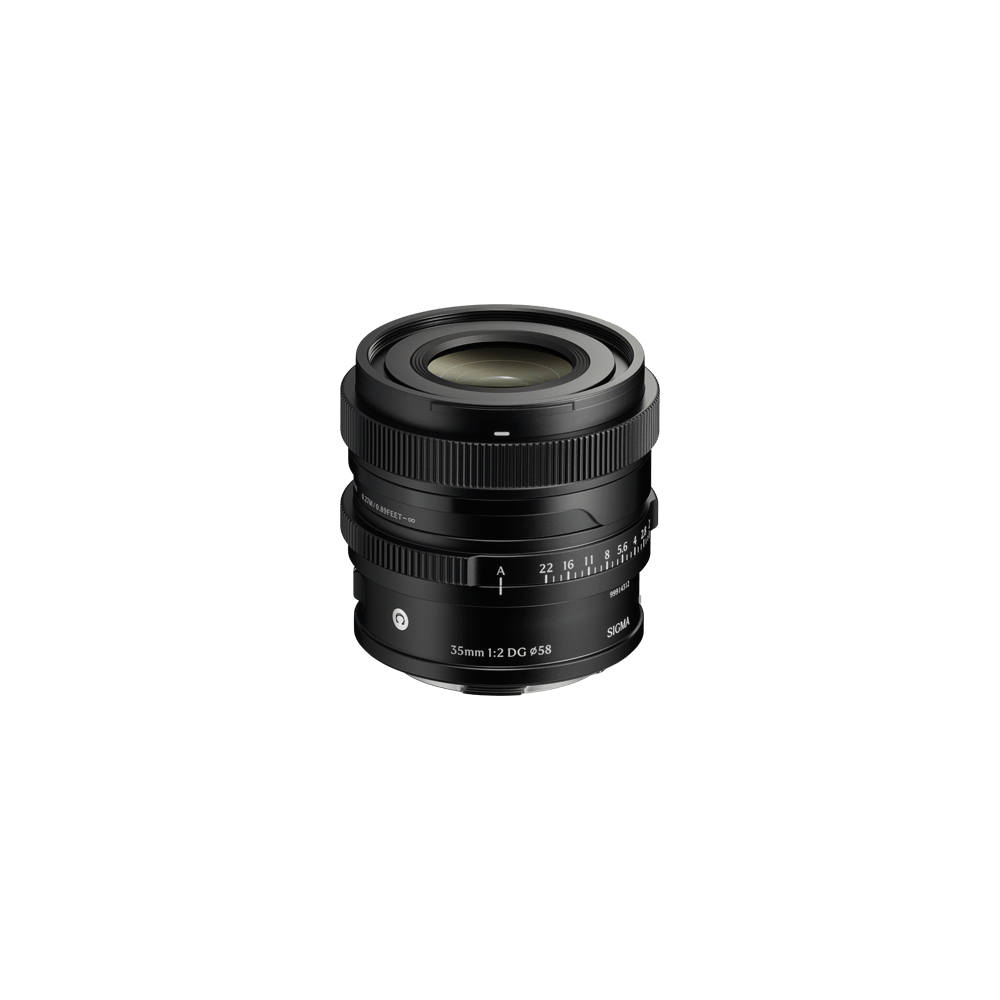
CONTEMPORARY 35mm F2 DG DN
READ MOREProfessional-level performance in a compact package,
bringing you new creative possibilities.
The Sigma I series introduces compact, beautifully designed, high-performance optics for mirrorless camera systems. In its first collection, Sigma introduces a versatile 35mm prime lens to the Contemporary line-up, which combines excellent resolving power with a small body that is perfectly weighted for mirrorless systems.
The 35mm F2 DG | Contemporary, a classic wide standard prime which photographers would not want to compromise on, comes with a maximum aperture of F2, and offers both compactness and high optical performance. Its modest size and weight make it portable enough to be carried around in a small kitbag for day-to-day shooting, but owing to its outstanding optical quality, wide aperture, and the high quality constructed body which is guaranteed for the I series, it is equally comfortable being used for professional photo such as night sky photography and video works. This all-new wide standard lens is designed for photographers who value the experience of taking a picture just as much as the quality of the results.
| Camera Type | Mirroless |
|---|---|
| Corresponding Mount | L-Mount, Sony E-Mount |
| Sensor Format | Full-frame [DG] |
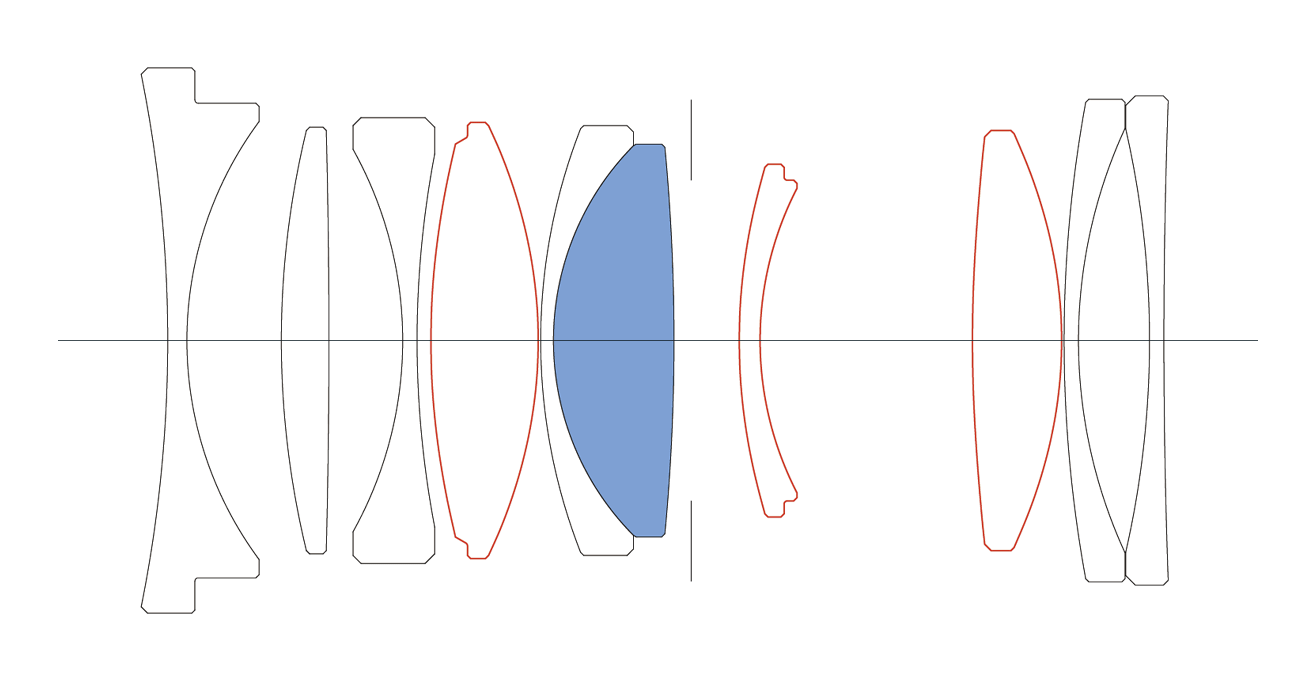
| Lens Construction | 10 elements in 9 groups (1 SLD and 3 aspherical lens elements) |
| Angle of View | 63.4° |
| Number of Diaphragm Blades | 9 (Rounded diaphragm) |
| Minimum Aperture | F22 |
| Minimum Focusing Distance | 27cm / 10.6in. |
| Maximum Magnification Ratio | 1:5.7 |
| Filter Size | φ58mm |
| Dimensions (Diameter × Length) | L-Mount:φ70mm × 65.4mm / φ2.8in. × 2.6in. Sony E-mount:φ70mm × 67.4mm / φ2.8in. × 2.7in. *The length of a lens is measured from the filter surface to its mount. |
| Weight | L-Mount:325g / 11.5oz. |
| Edition Number | C020 The three-digit code on the surface of the lens is to indicate the year the lens was first released. |
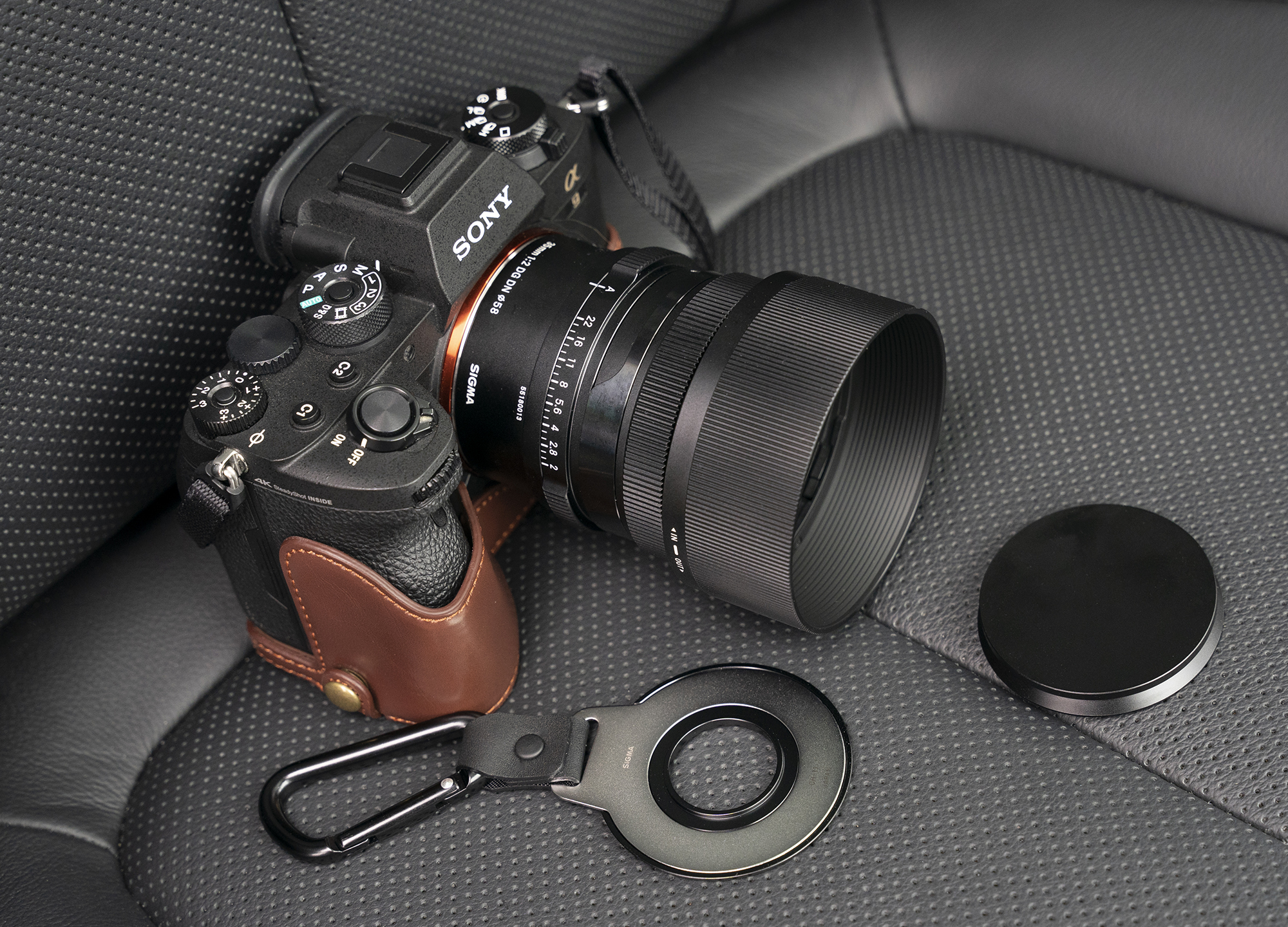
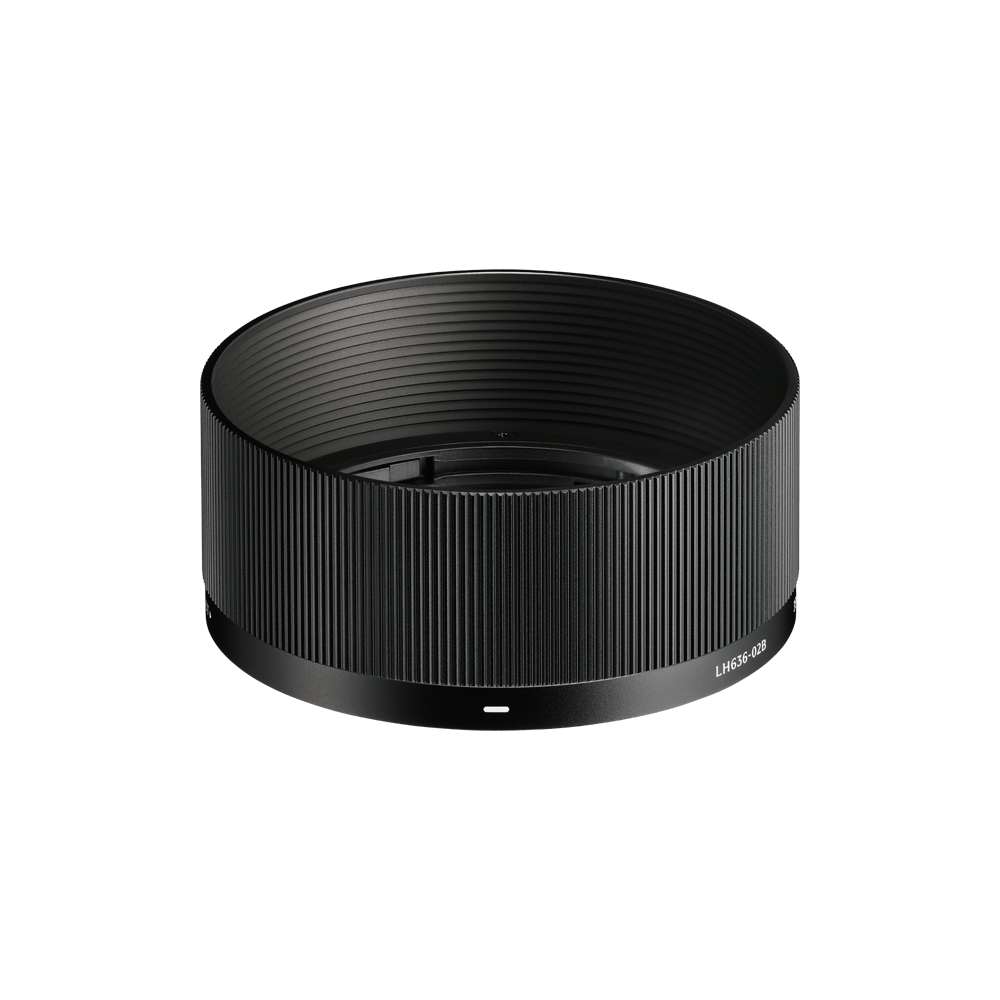
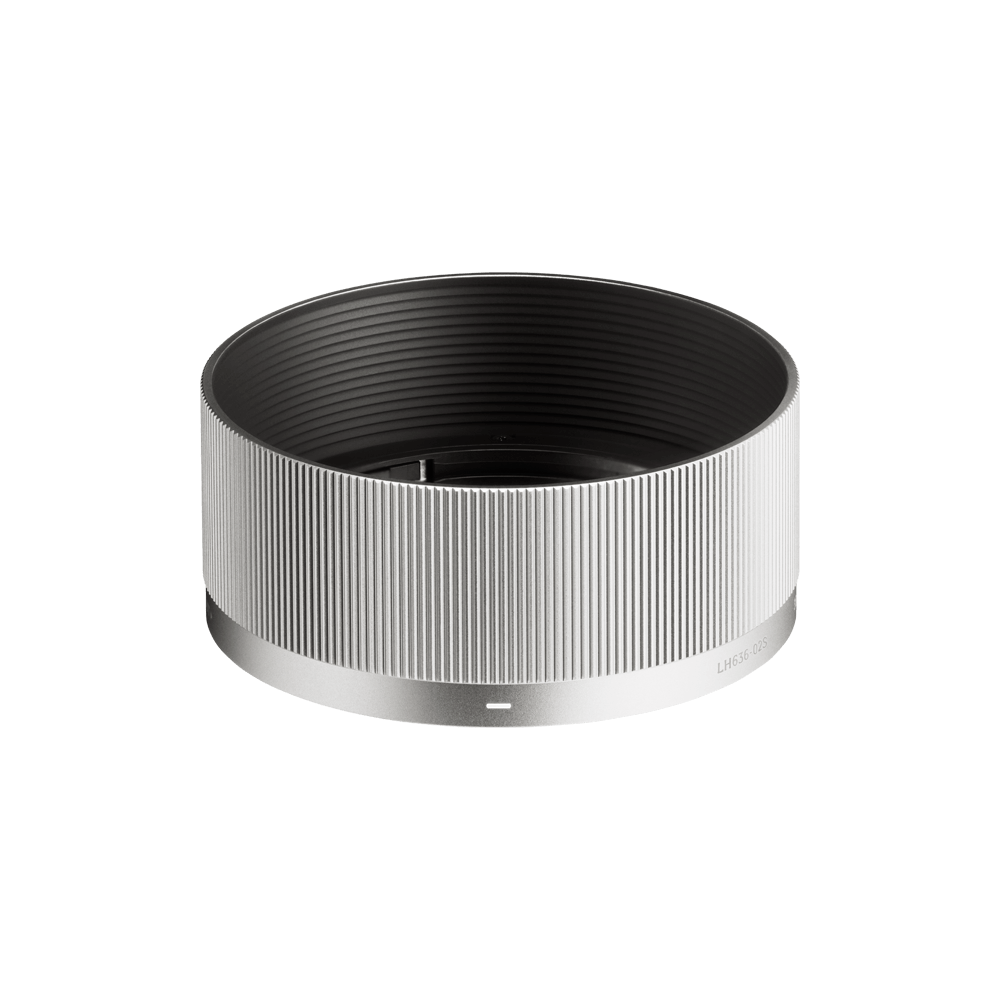
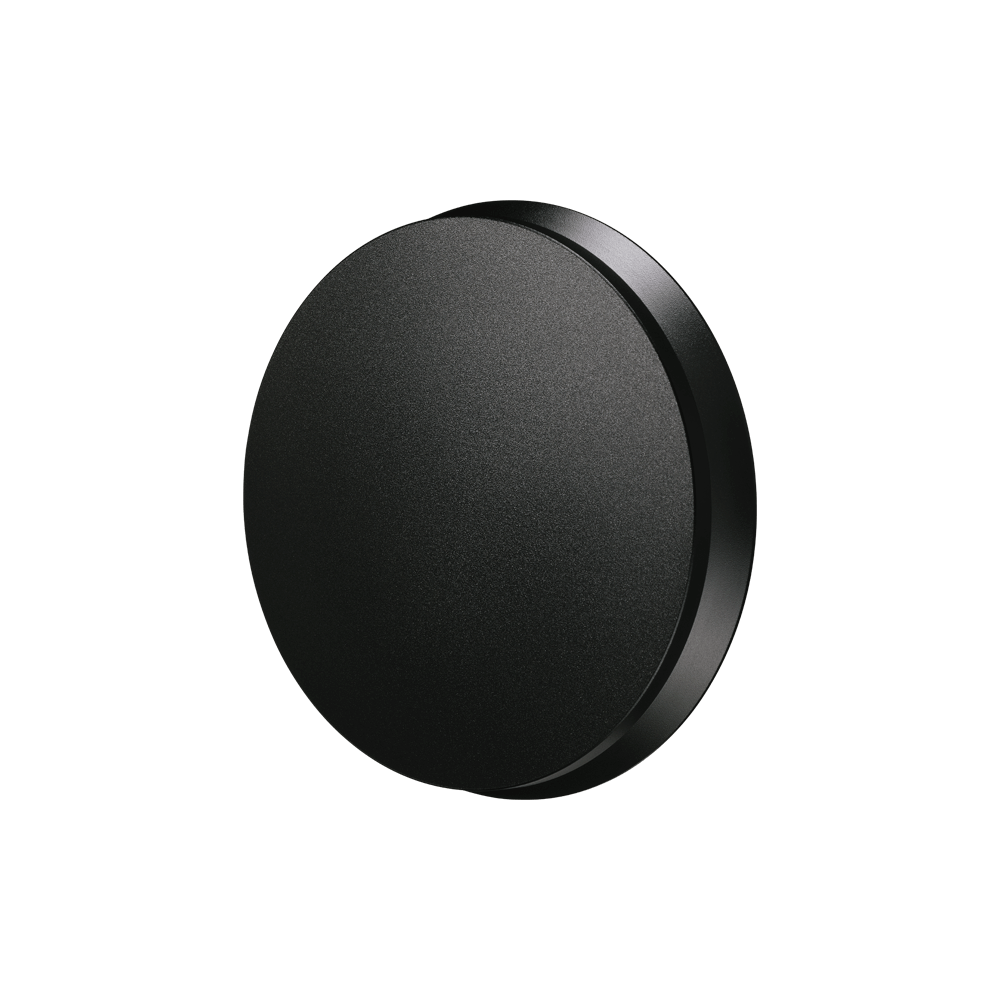
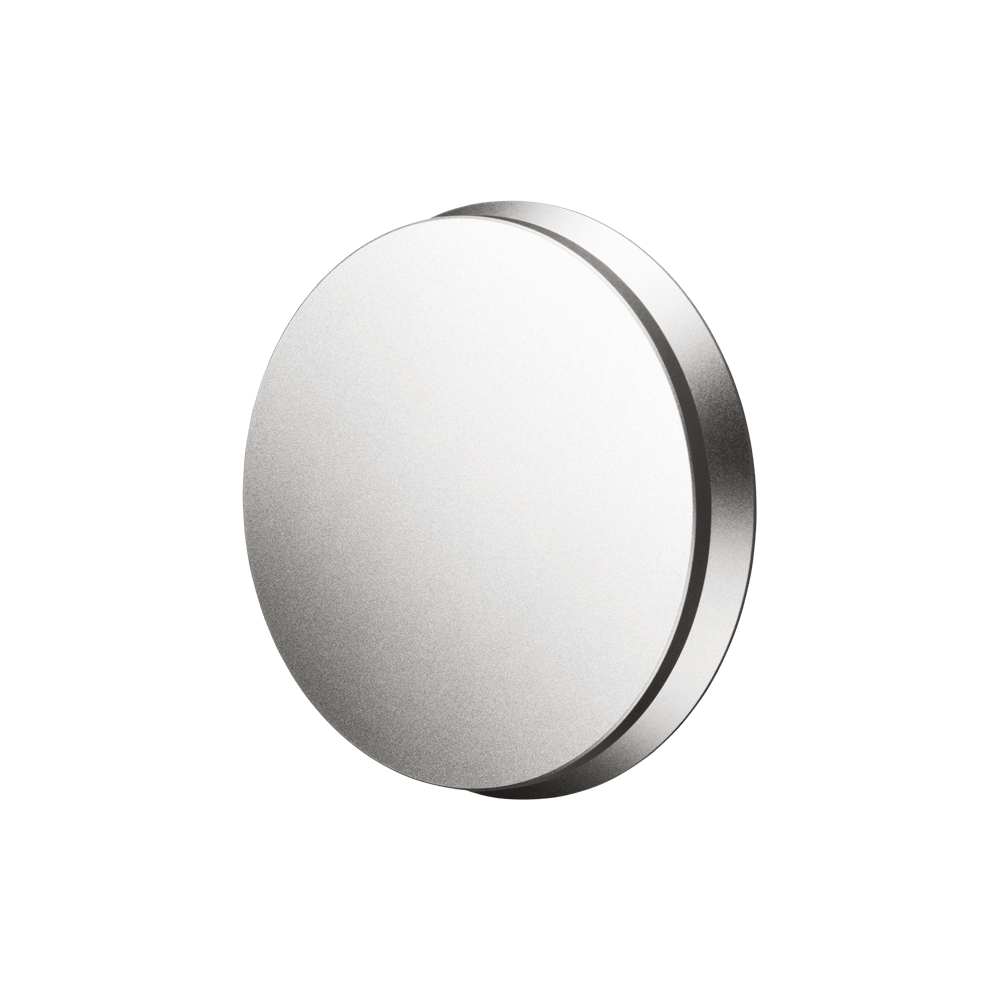
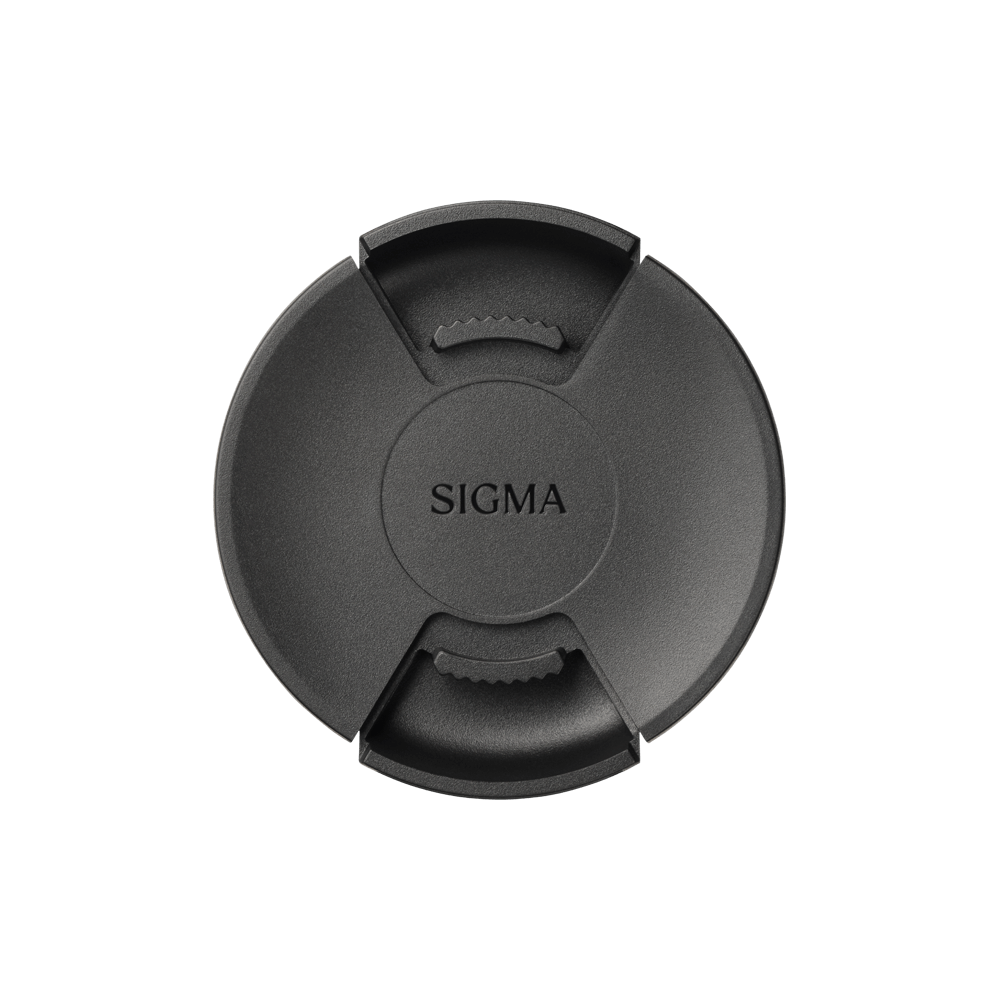
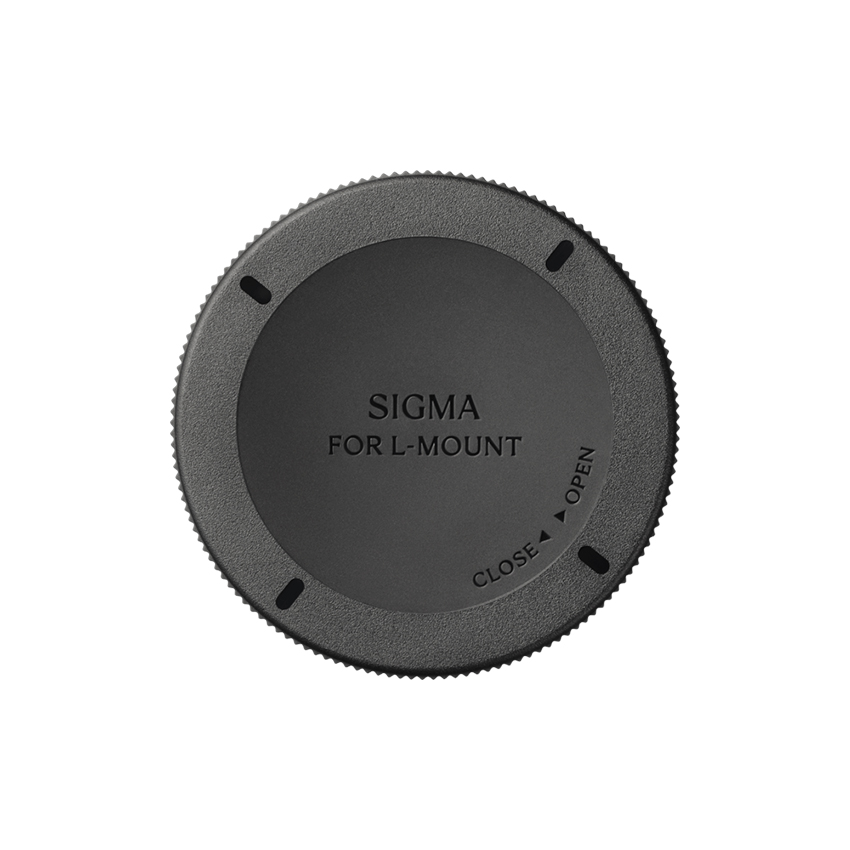
| Supplied Accessories | LENS HOOD(LH636-02B/LH636-02S) MAGNETIC METAL LENS CAP(LCF58-02 MB/LCF58-02 MS) FRONT CAP(LCF-58 IV) REAR CAP(LCR III) Pouch |
| Mount / Product Barcode | L-Mount (Black):00-85126-94196-3 L-Mount (Silver):00-85126-94197-0 Sony E-mount (Black):00-85126-94183-3 |
| Camera Compatibility | LINK |
| * L-Mount is a registered trademark of Leica Camera AG. * This product is developed, manufactured and sold based on the specifications of E-mount which was disclosed by Sony Corporation under the license agreement with Sony Corporation. |
I series | A new photographic experience, “Premium Compact Primes”for mirrorless users
New standards of optical performance for the Contemporary line
The 35mm F2 DG | Contemporary brings to the table the highest level of optical performance at a maximum aperture of F2 with a lens body of a size that matches a mirrorless system.
Axial chromatic aberration, a point of particular concern with a bright lens, is corrected with SLD glass, while an optimal placement of high-refractive index elements provides effective correction of various types of aberration while keeping the amount of glass used to a minimum. The use of three high-precision glass-molded aspherical lenses, which were made possible thanks to advanced production technology at the Aizu factory, Sigma’s only production site. These elements provide correction of spherical aberration and field curvature, and the fluctuation of aberration at the time of focusing. The lens design also provides a very good correction of sagittal coma aberration, making it capable of capturing details fine enough for it to be used for night sky photography.
Thanks to cutting edge optical design and advanced processing technology, the 35mm F2 DG | Contemporary offers consistent, high resolving power right across the frame.
Use of multiple high-precision aspherical glass molded lenses
The surface of molds for glass molding, which is a process that forms optical components by pressing glass materials at high temperatures, requires ultra-high precision. Sigma uses high-precision molds whose surfaces are controlled with an accuracy of ±5 nanometers (0.000005 mm) or smaller. High precision aspherical glass molded lenses archives both good aberration correction and compact lens size.

*Mold for aspherical glass molded lenses
Exceptional I series build quality with a compact form-factor
All I series lenses have an all-metal construction. The precision-cut aluminum parts not only give the barrel a sleek, stylish finish, but provide superb durability, which improves the quality of the entire product. Metal materials are also used in internal structures that slide with the operation ring for added robustness. These high-precision components crafted with Sigma’s cutting-edge metalworking technology are also used in Sigma’s cine lens line-up for professional cinematographers and provides an exquisite feel to touch as well as sound effects, making photographers want to reach for it and play with it over and over again.
The cover ring between the focus ring and the aperture ring has hairline processing that is also used for the rear cylinder of the Art line. This 1covering functions as a finger hold when attaching or detaching the lens.
Magnetic metal lens cap
The I series lenses are accompanied by a dedicated magnetic metal lens cap, in addition to a normal plastic cap. This dedicated metal cap clips to the front surface of the lens magnetically. It is no exaggeration to say that this meticulously crafted cap represents the finishing touch for the I series.
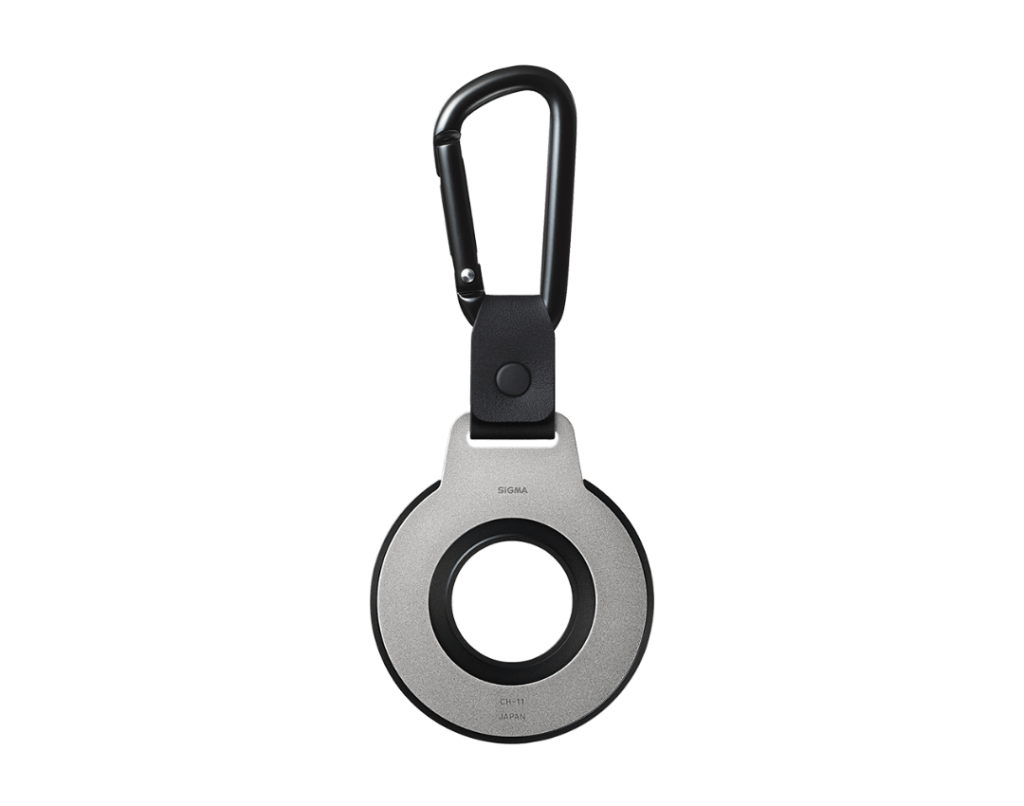
Magnetic metal lens cap holder LENS CAP HOLDER CH-11 (sold separately)
LENS CONSTRUCTION
MFT CHART
DIFFRACTION MTF
GEOMETRICAL MTF

MTF CHART GUIDE
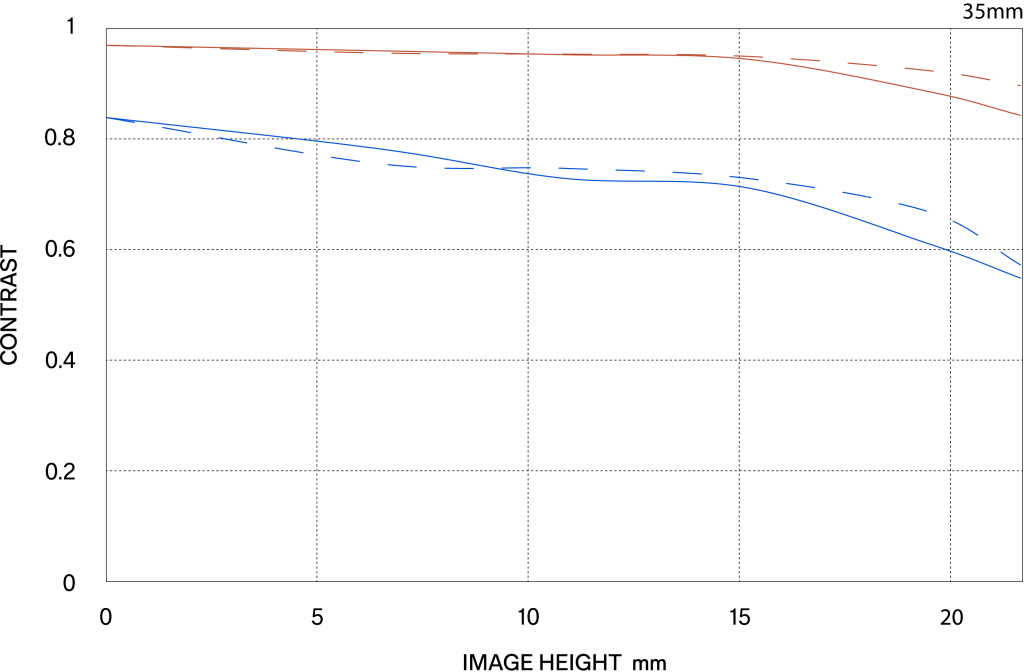
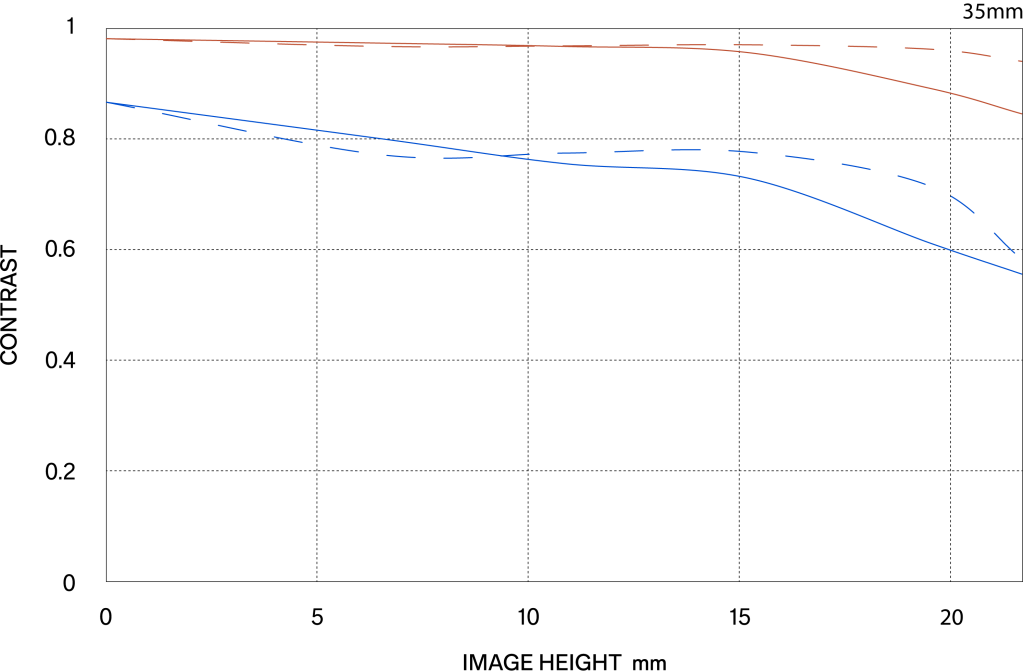
The MTF (Modulation Transfer Function) is one of the measurements for evaluating a lens’ performance, and it shows how faithfully the contrast of the subject can be reproduced on the image plane. The horizontal axis shows the image height (distance from the center of the image in mm) and the vertical axis shows the contrast value (maximum value is 1).
The closer the 10 line pairs/mm curve is to 1, the higher the contrast and clarity of the lens is, and similarly, the closer the 30 line pairs/mm curve is to 1, the better the resolution and sharpness of the lens is.
*The MTF chart depicts the result at the wide-open aperture.
*For mirrorless lenses that support distortion correction, the horizontal axis shows the image height equivalent to when an L-Mount lens is attached to a Sigma L-Mount camera with distortion correction applied. (The effect of distortion correction may differ depending on the mount and camera used.)
*The spatial frequency indicates the variation on the image plane before distortion correction is performed.
The brass mount combines high precision with rugged construction. Its treated surfaces and enhanced strength contribute to the exceptional durability of the lens.
The lens mount incorporates rubber sealing to protect the mount from dust and water drops.
Aperture ring, designed to help users work intuitively
The polygonal shape of a conventional iris diaphragm causes out-of-focus light points to appear polygonal. A rounded diaphragm is designed to produce rounded out-of-focus light points when opened to near maximum aperture. This creates attractive bokeh effects in many situations, such as when photographing a subject against an out-of-focus surface of water from which light is being reflected.
The degree to which light is refracted by glass depends on the light’s wavelength. This fact causes different colors of light to focus at slightly different points. The result is chromatic aberration, the color fringing that is particularly noticeable in telephoto lenses. Most chromatic aberration can be removed by combining a high-refractivity convex lens element with a low-refractivity concave element. Yet residual chromatic aberration known as “secondary spectrum” may still remain. To minimize this secondary spectrum, which can be a serious issue with conventional lenses, Sigma lenses feature up to three types of exclusive low-dispersion glass offering superior performance: ELD (Extraordinary Low Dispersion), SLD (Special Low Dispersion) and FLD (“F” Low Dispersion). In particular, FLD glass offers ultra-low dispersion in combination with high transmittance and the anomalous dispersion characteristics of fluorite. Meticulous deployment of these types of exclusive low-dispersion glass and optimization of power distribution gives Sigma lenses superlative image rendition undiminished by residual chromatic aberration.
To increase stability, this lens configuration uses movable internal lens elements that adjust focus without changing the length of the lens barrel.
The lens is capable of smooth, quiet and high-speed AF made possible by a stepping motor, as well as supports Face/Eye Detection AF and video AF.
Matching the optical characteristics of the lens, this function performs in-camera corrections of peripheral illumination, chromatic aberrations, distortion, and more, to further enhance image quality.
*Function available on supported cameras only. Available corrections or auto correction functionality may vary depending on the camera model.
*On cameras where lens aberration correction is controlled with ‘ON’ or ‘OFF’ in the camera menu, please set all aberration correction functions to ‘ON'(AUTO).
Sigma’s own Super Multi-Layer Coating suppresses flare and ghosting by preventing reflections with in the lens. All lenses in the current Sigma range feature this original technology. In digital cameras, flare and ghosting may also be caused by reflections between the image sensor and lens surfaces. Here too, Sigma’s Super Multi-Layer Coating is highly ef fective, assuring images of outstanding contrast.
Focus Mode Switch
Using this swich, it is possible to switch the focus mode between AF and MF.
Support DMF and AF+MF
A focus movement method of interchangeable lenses for mirrorless cameras (DN lens) in relation to the rotational angle of the focus ring during manual focusing.
With “non-linear focus,” the amount of focal point movement varies depending on the focus ring rotational speed.
With linear focus, if the focus ring rotational angle is the same, the amount of focal point movement remains the same regardless of the focus ring rotational speed.
Lens construction: 10 elements in 9 groups, with 1 SLD glass and 3 aspherical lenses
Compatible with high-speed autofocus
Supports DMF, AF+MF
LENS HOOD(LH636-02B/LH636-02S)
Magnetic metal lens cap(LCF58-02 MB/LCF58-02 MS)
High-precision, durable brass bayonet mount
Designed to minimize flare and ghosting
9-blade rounded diaphragm
High-precision, durable brass bayonet mount
*The sample images shown here were taken using the 35mm F2 DG DN | Contemporary. The optical performance is the same.

| Camera | SONY α7R IV |
|---|---|
| Shutter Speed | 1/10s |
| Lens F Number | F4 |
| ISO | 100 |
| Focal Length | 35mm |
| Photographer | Aya Iwasaki |

| Camera | SONY α7R IV |
|---|---|
| Shutter Speed | 1/400s |
| Lens F Number | F2 |
| ISO | 100 |
| Focal Length | 35mm |
| Photographer | Kazuyuki Hagiwara |

| Camera | SONY α9 |
|---|---|
| Shutter Speed | 1/125s |
| Lens F Number | F4.5 |
| ISO | 100 |
| Focal Length | 35mm |
| Photographer | Kazuyuki Hagiwara |