HELLO, AGAIN.
ART
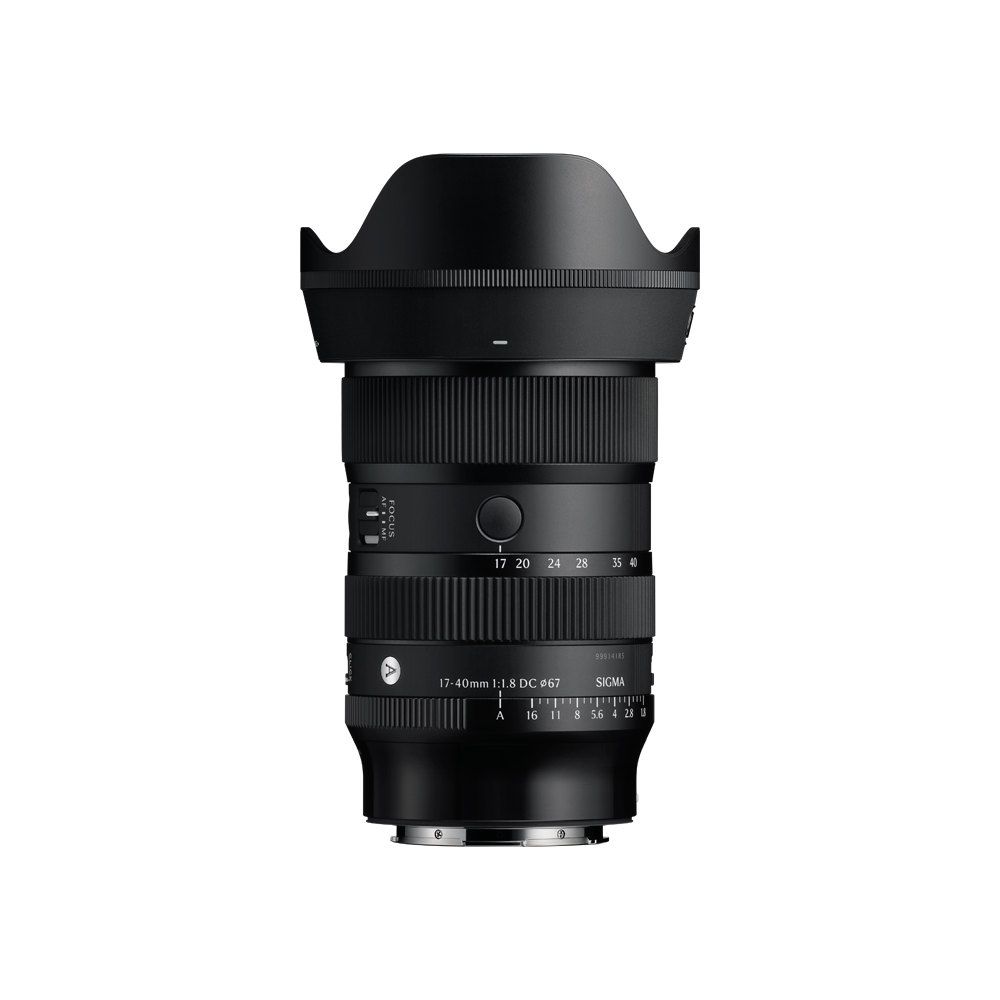
17-40mm F1.8 DC
by Naoki Miyashita
metadata
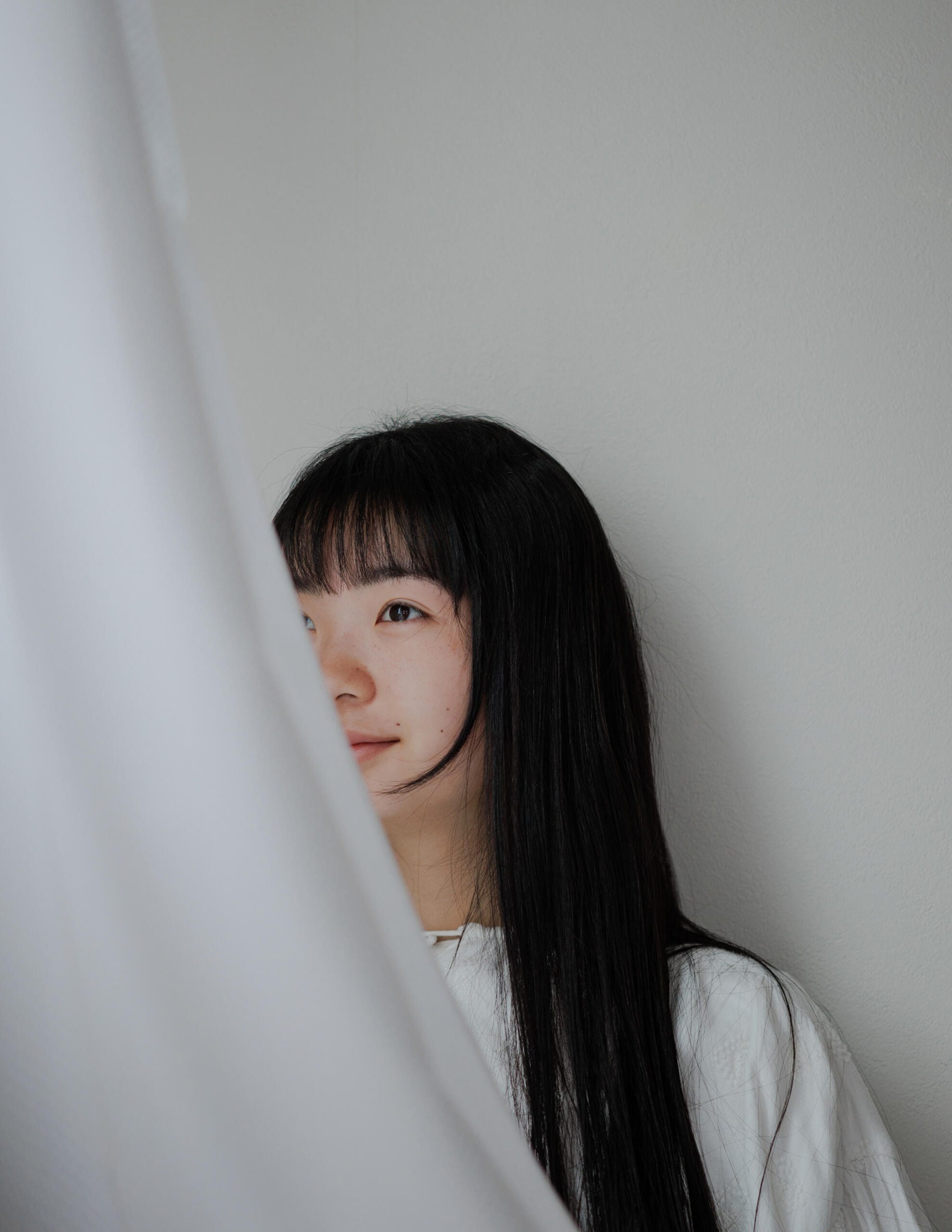
Sigma 17-40mm F1.8 DC | Art
Sigma BF
ISO 400, F1.8, 1/26000s, 17mm
If there is one lens that every filmmaker has used at least once, it is without a doubt the Sigma 18-35mm F1.8 DC HSM | Art, released in 2013.
When I first started out, like many others, I was almost hypnotized by this lens and its F1.8 aperture. Once I had it in my hands, I never let it go. Over the years, it has accompanied me on more projects than I dare count.
It is also a truly unique lens. Despite its nature as an APS-C sensor lens, its stunning optical performance and image quality made it a worthy representative of Sigma’s Art label. Especially at the beginning of my career, the lens became a kind of mental support for me, encouraging me to continue on my path as a freelance filmmaker.
And then, more than ten years later, it appeared before me again.
Reincarnated. Lighter. Smaller.
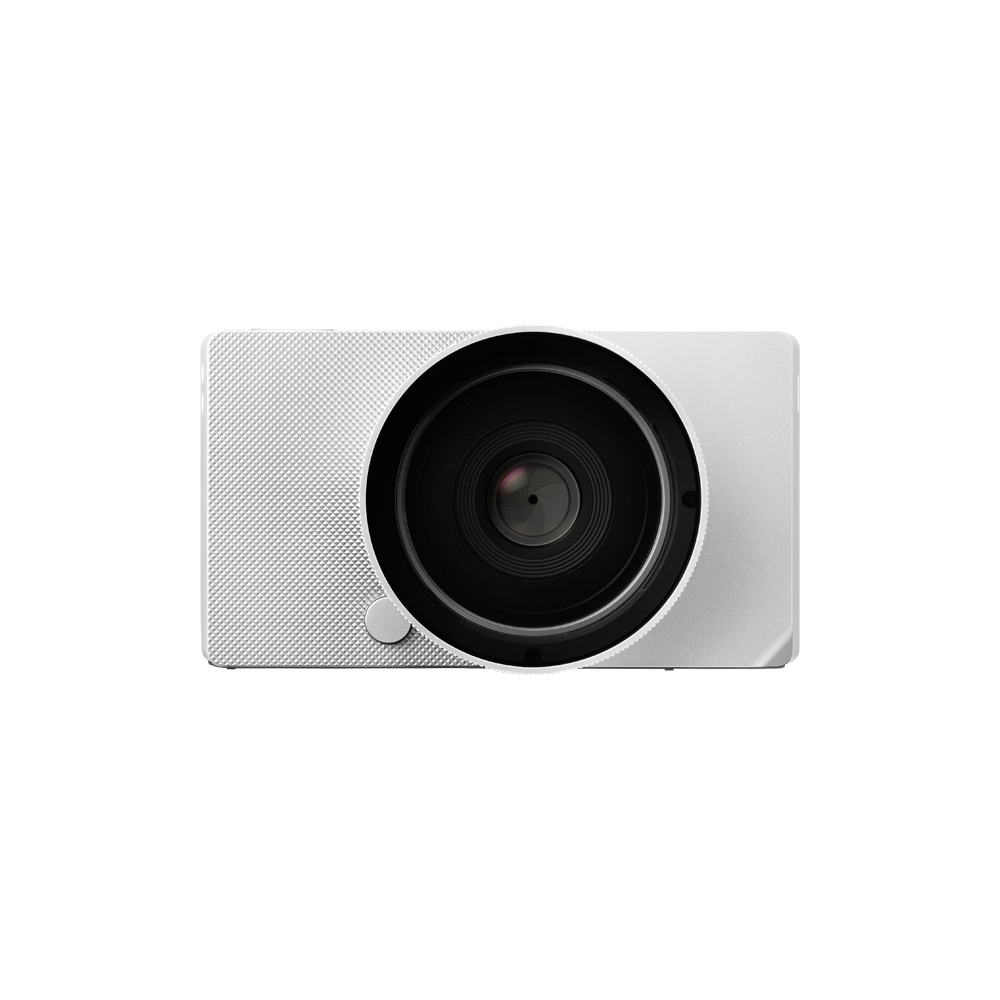
In February 2025, when Sigma unveiled its new visual identity and unveiled the spectacular Sigma BF, the brand-new Sigma 17-40mm F1.8 DC |Art quietly found its way into my hands.
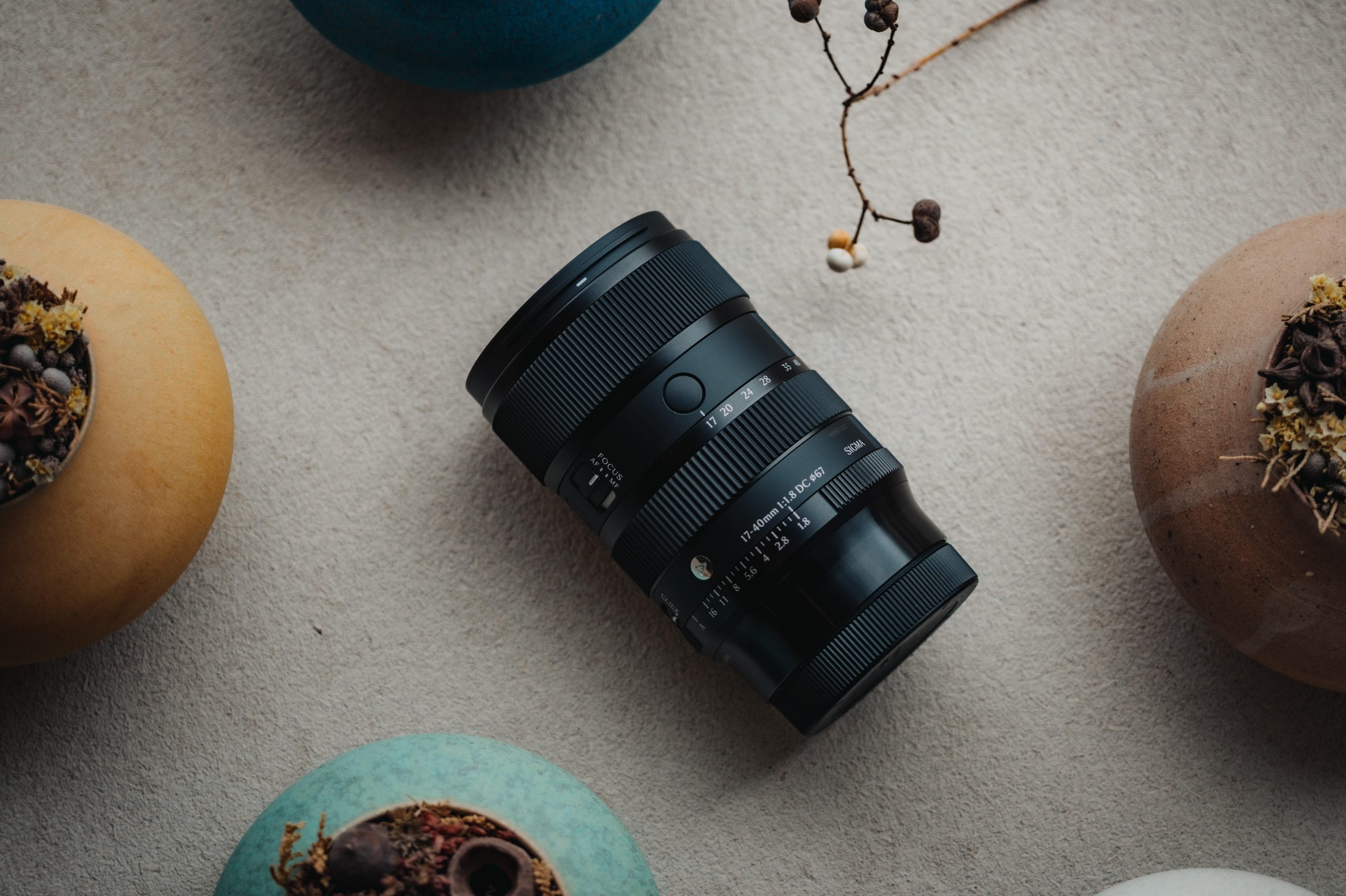
Holding the lens in my hands, I felt a burden of responsibility.
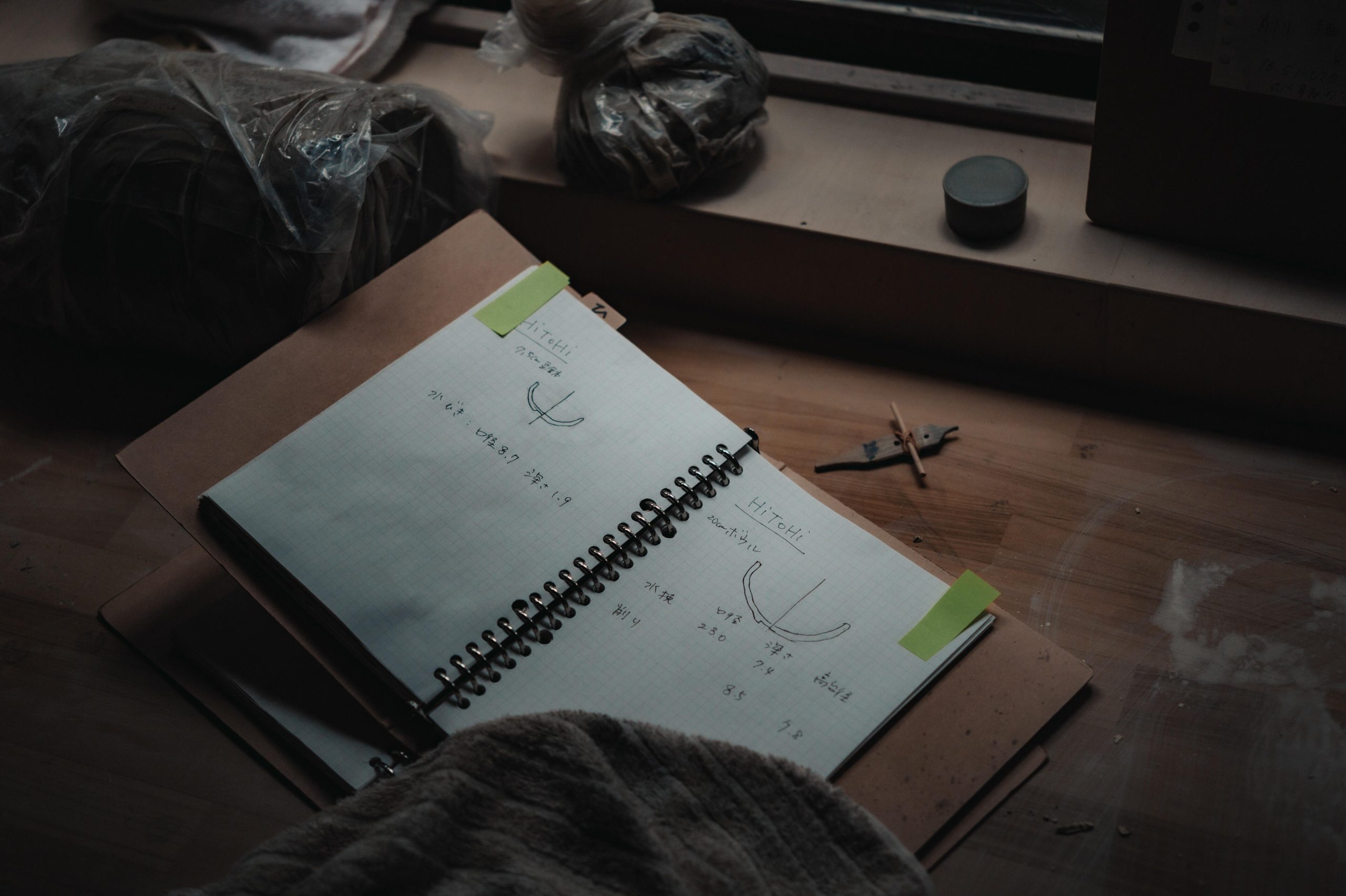
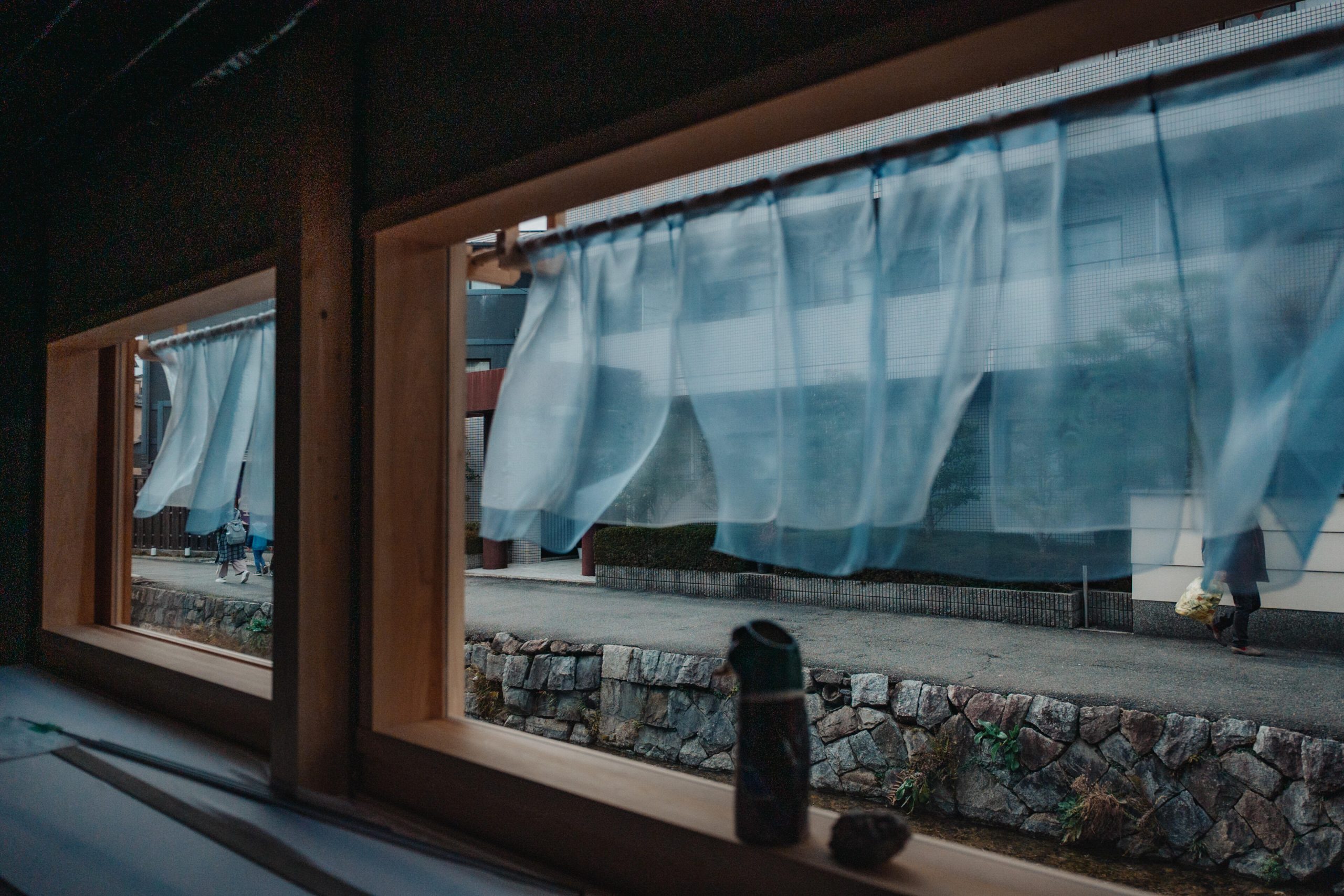
metadata
Sigma 17-40mm F1.8 DC | Art
LEICA SL3
ISO 200, F1.8, 1/640s, 40mm
I began to think about the most suitable subjects to capture with it, and rummaged through my memories of the past ten years since the start of my career.
Strangely enough, this period overlapped almost exactly with the release of the previous lens.
I thought back to my earliest projects, when I was still shooting with my beloved Sigma DP3 Merrill camera.
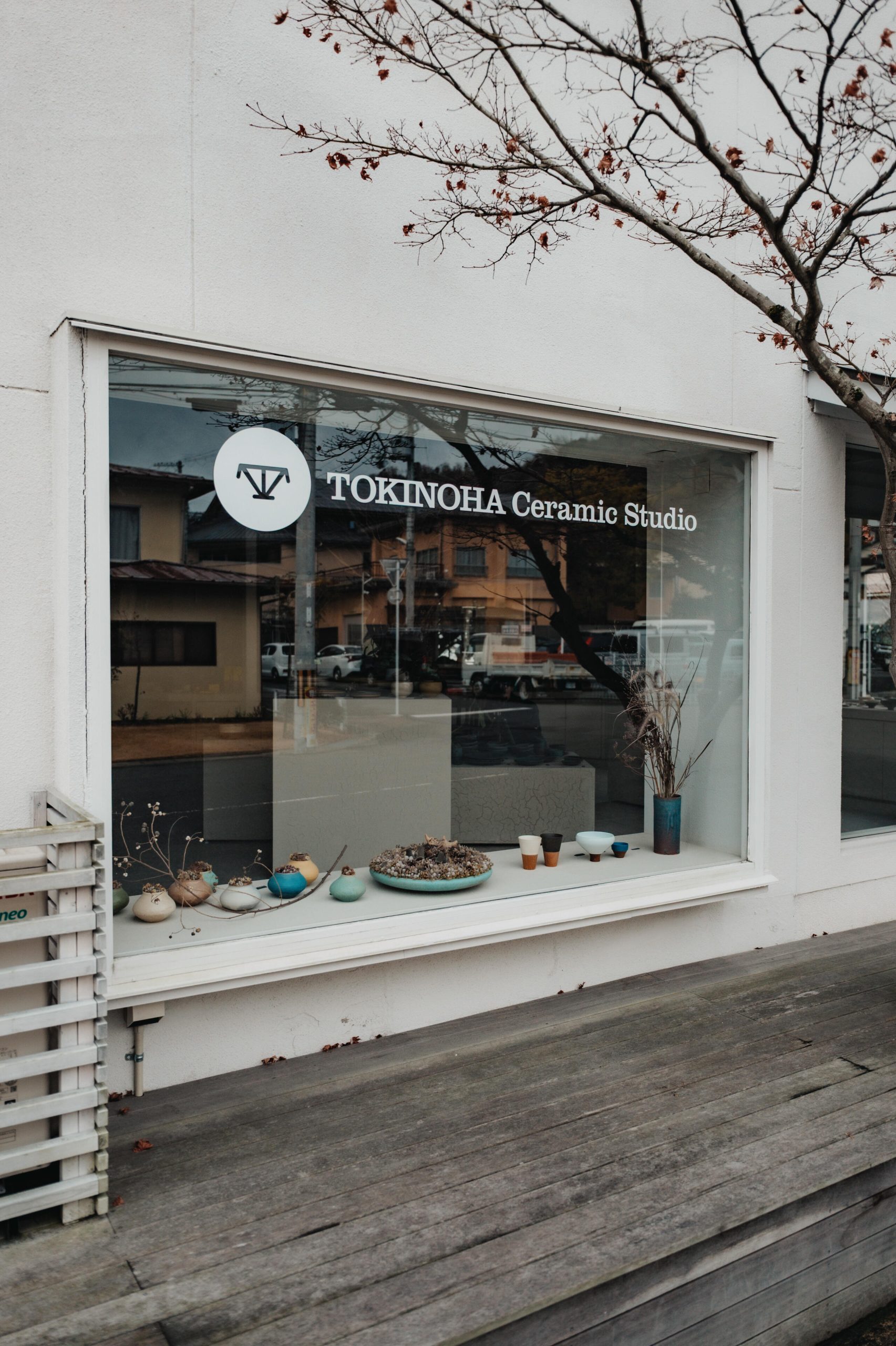
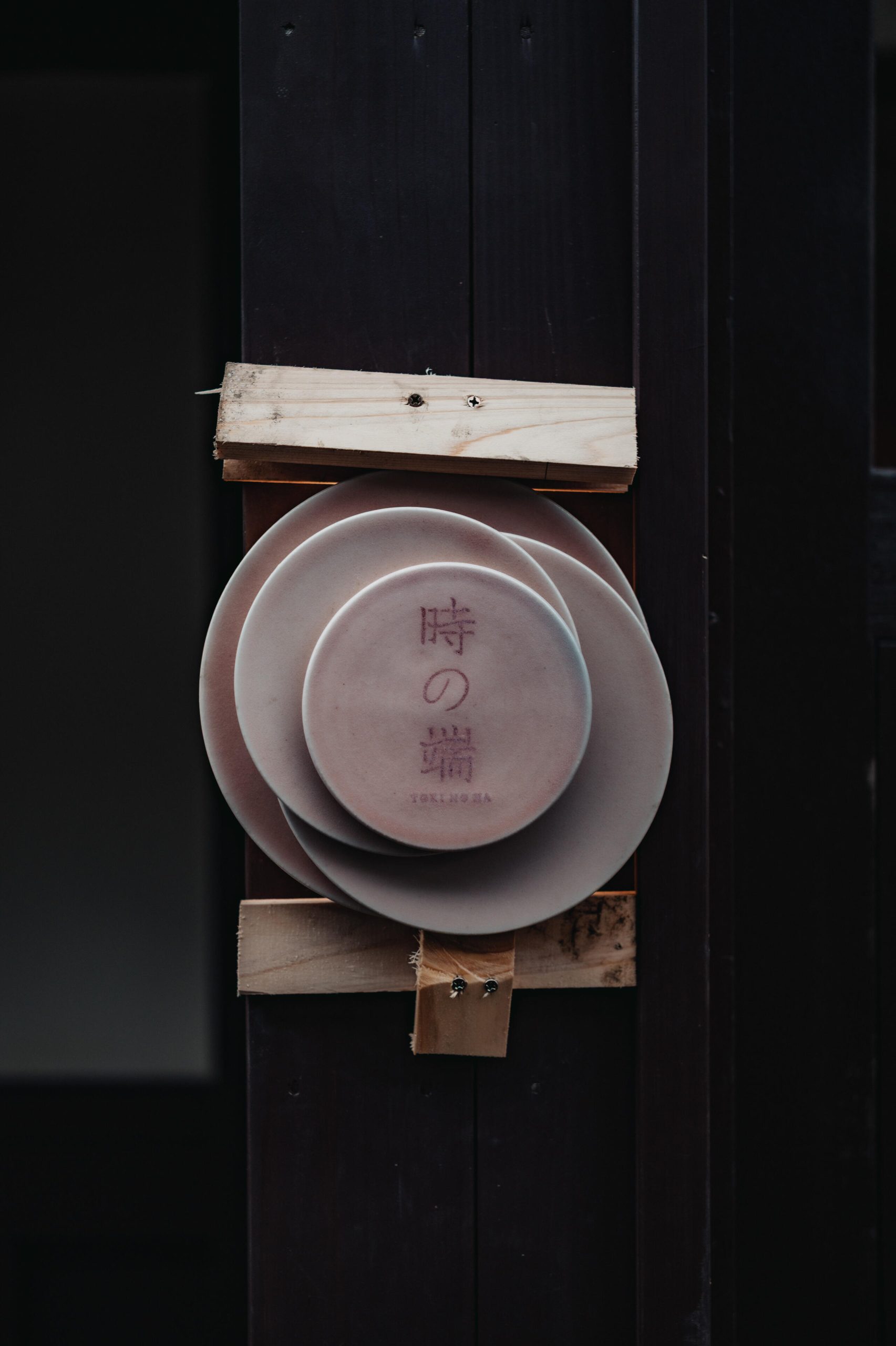
I learned that TOKINOHA, a pottery brand based in Kyoto and one of my first clients, would be starting a new venture in March. This, I thought, would be the perfect opportunity to capture our journeys over the past decade in photos and video.
But it would also be a test of my skills, my sensibility.
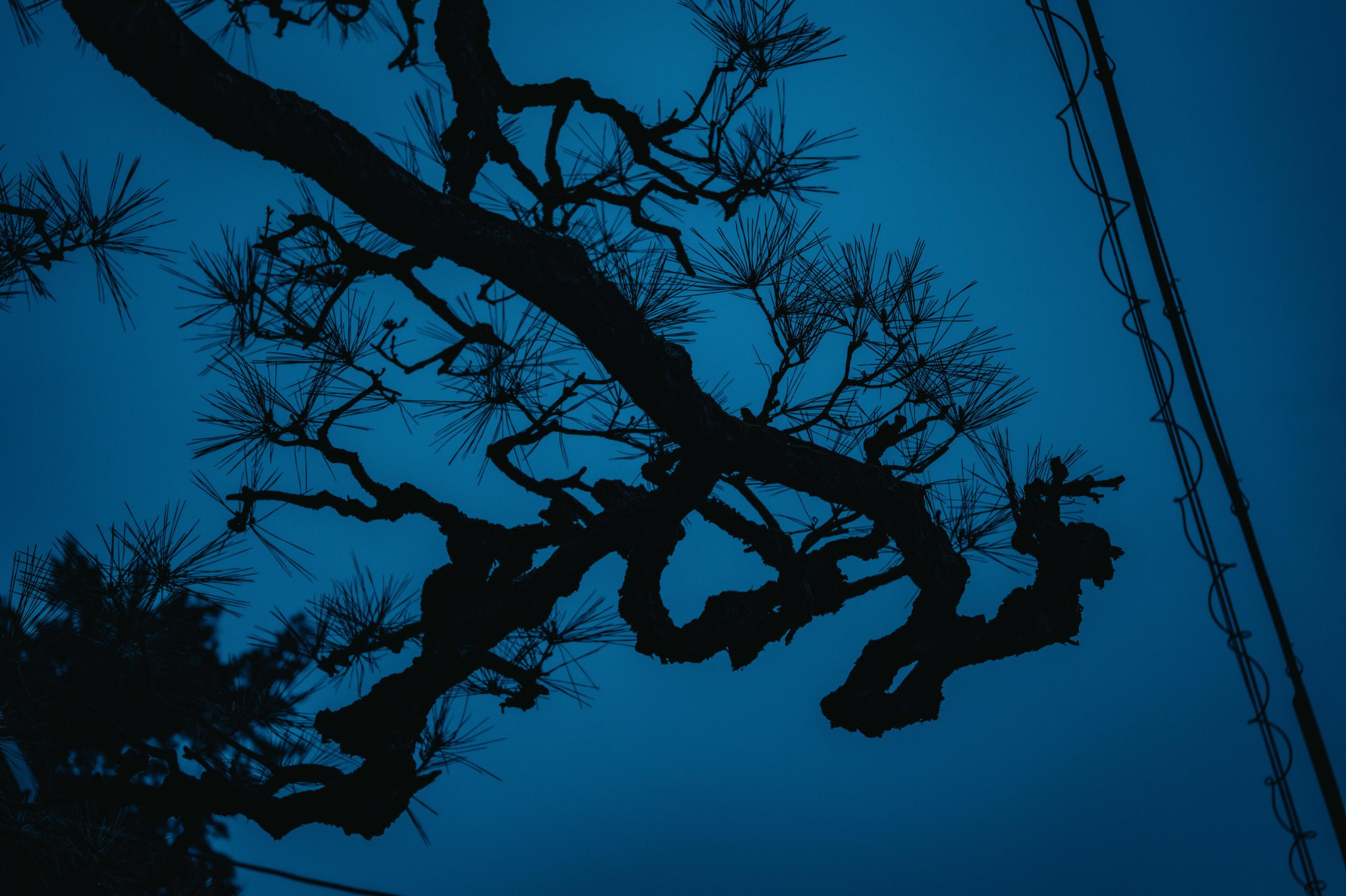
metadata
Sigma 17-40mm F1.8 DC | Art
LEICA SL3
ISO 100, F1.8, 1/80s, 40mm
Putting aside my fears and hesitations, I decided to focus only on my excitement and made my way to Kyoto, to the Kiyomizu Pottery Village. A lot has happened since the last time I was here.
At the entrance of TOKINOHA’s workshop, Daisuke and Tomoe were already waiting for me.
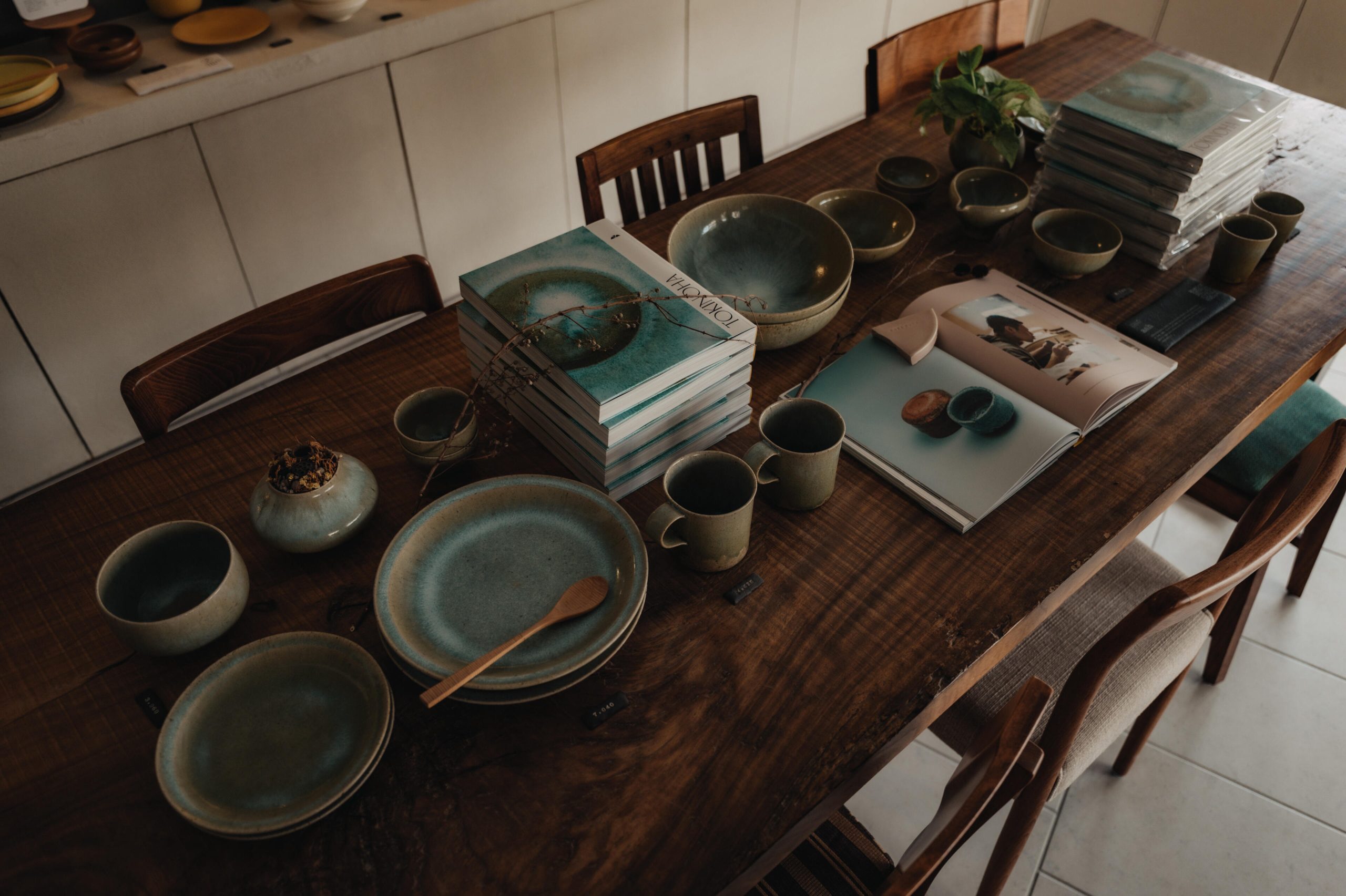
metadata
Sigma 17-40mm F1.8 DC | Art
LEICA SL3
ISO 100, F1.8, 1/125s, 17mm
metadata
Sigma 17-40mm F1.8 DC | Art
LEICA SL3
ISO 100, F1.8, 1/200s, 17mm
metadata
Sigma 17-40mm F1.8 DC | Art
LEICA SL3
ISO 100, F1.8, 1/5000s, 17mm
Although newly renovated, the workshop was just as bright and sunny as I remembered it.
Seeing them standing there now brought back memories of the first time I saw them in front of me.

metadata
Sigma 17-40mm F1.8 DC | Art
LEICA SL3
ISO 100, F1.8, 1/50s, 40mm
metadata
Sigma 17-40mm F1.8 DC | Art
LEICA SL3
ISO 400, F1.8, 1/30s, 40mm
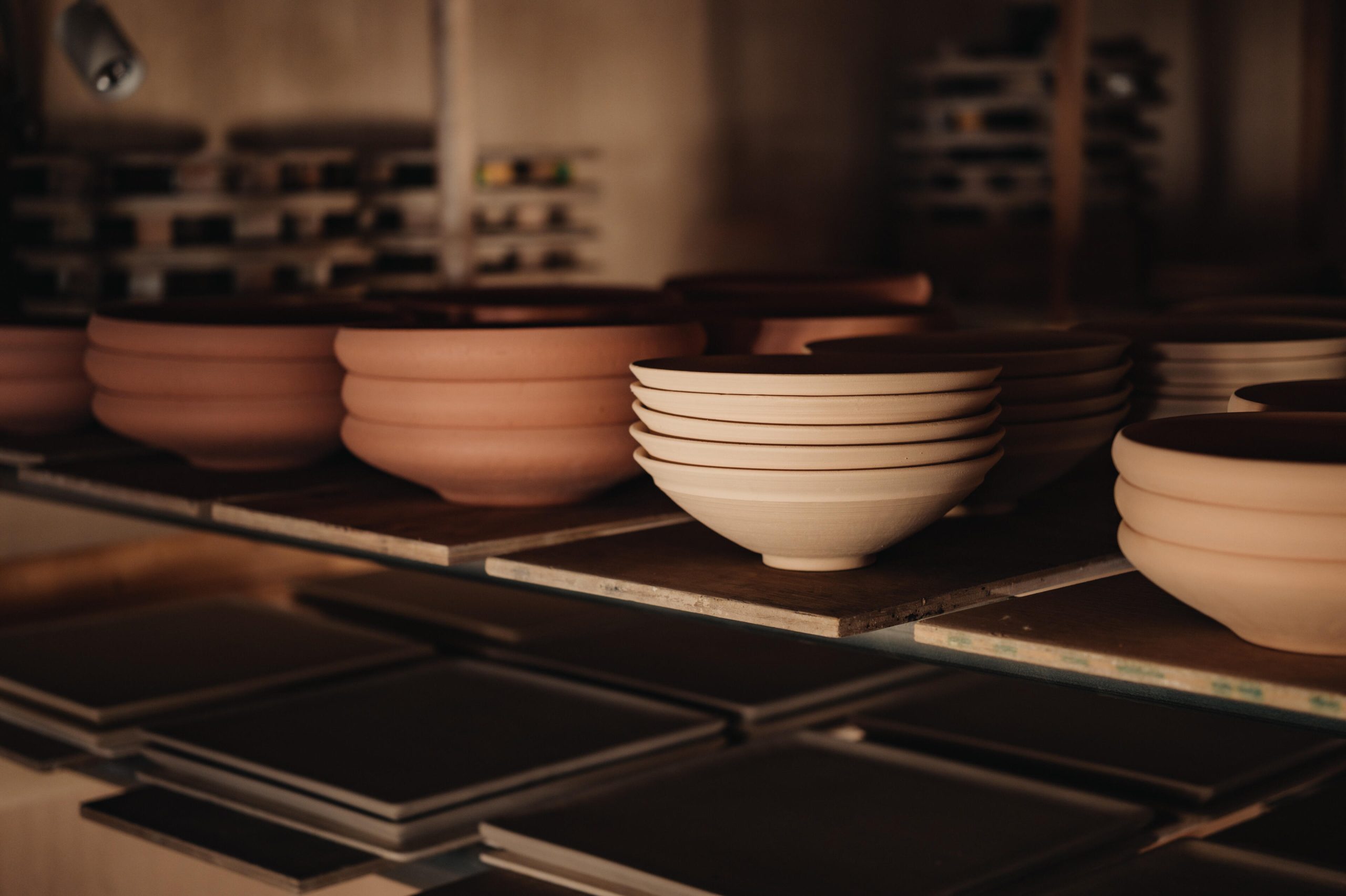
The fast and silent autofocus, powered by High-response Linear Actuator (HLA), proved to be perfect not only for photos but also for videos, especially since I almost didn’t notice any focus breathing at all. Furthermore, with its constant F1.8 aperture, the lens performs exceptionally well even in low-light conditions.
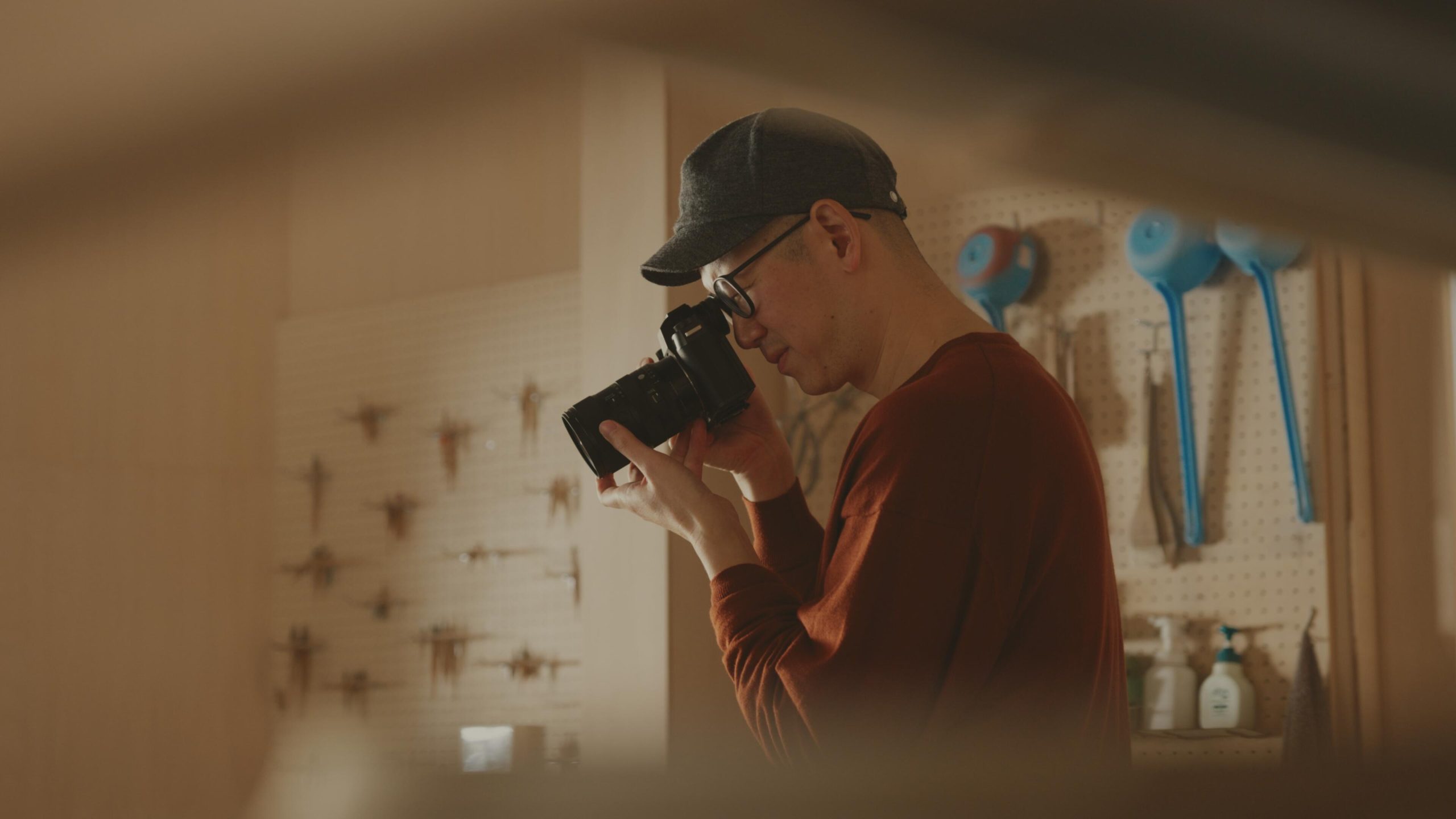
Especially when shooting video, the physical feel of my gear is very important. Small details like the right amount of torque on the focus ring or the lack of breathing when zooming and focusing contribute to a more stress-free, smoother shooting experience and affect the quality of the images I can capture.
Somehow, the lens felt so light and effortless to use that it seemed to disappear in my hands, as if it weren’t there at all—almost like a natural extension of my thoughts.
metadata
Sigma 17-40mm F1.8 DC | Art
LEICA SL3
ISO 250, F1.8, 1/30s, 40mm
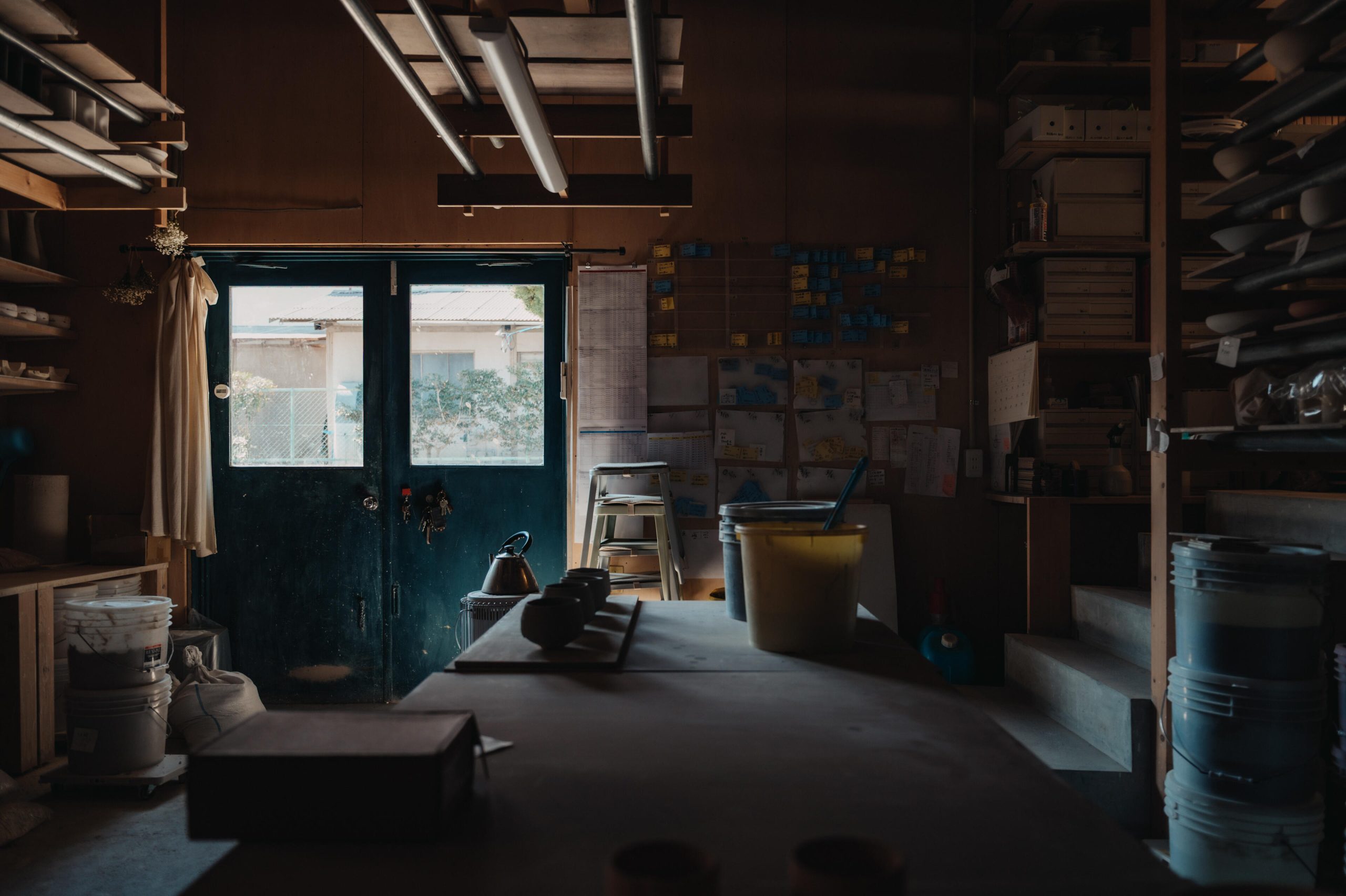
With the Sigma 17-40mm F1.8 DC | Art mounted on my Leica SL3, I was able to cover the entire shoot without ever changing lenses. Once a long time ago, I needed several lenses and cameras to do the same.
metadata
Sigma 17-40mm F1.8 DC | Art
LEICA SL3
ISO 100, F1.8, 1/160s, 17mm
40mm on the standard end may not be enough for some, but I find it just right. There are two ways to cover distance in photography, either through focal length or by getting closer. If you want to shoot images that convey emotion and a real sense of presence, I believe you have to be willing to get physically close to your subjects.
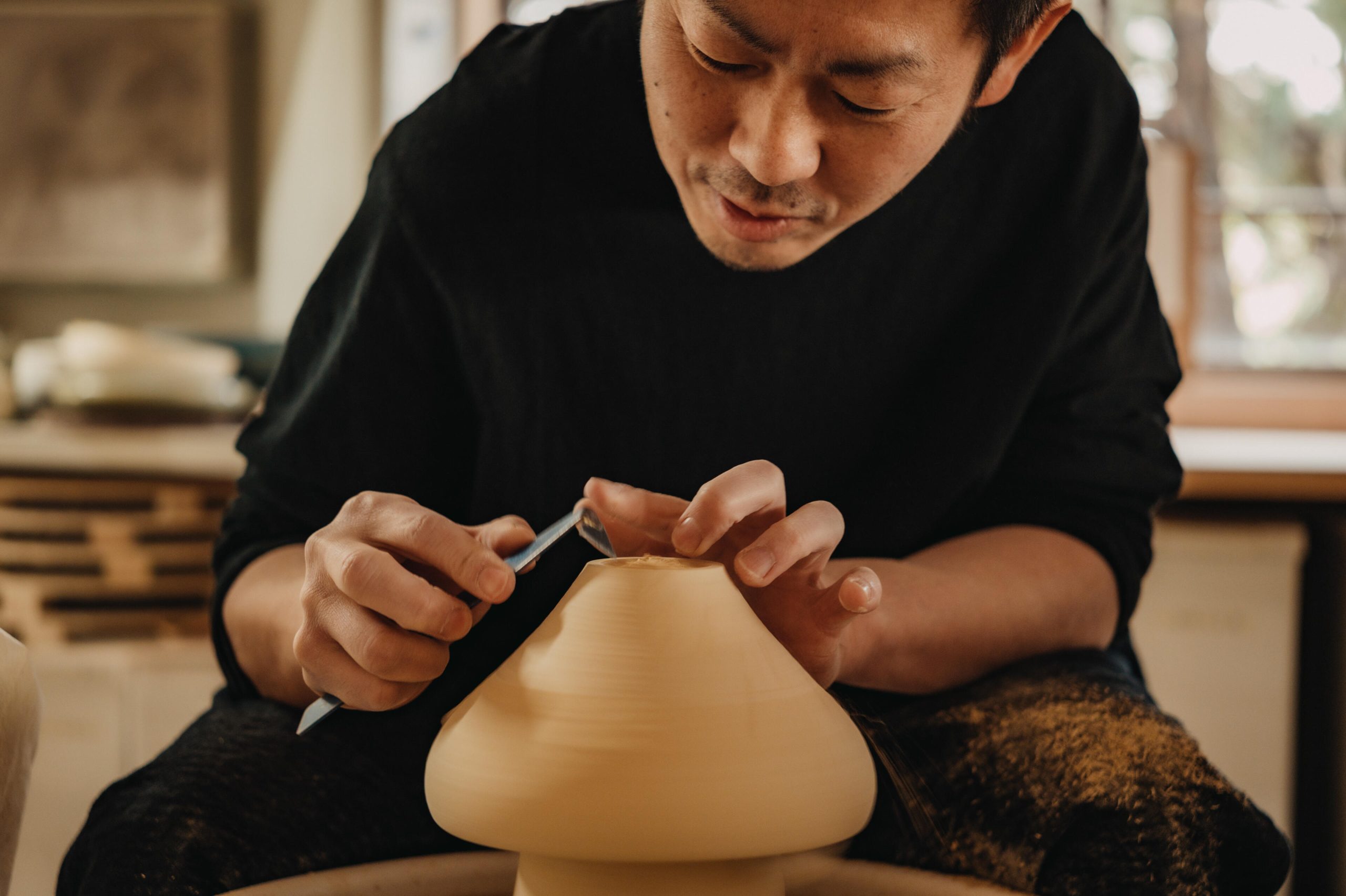
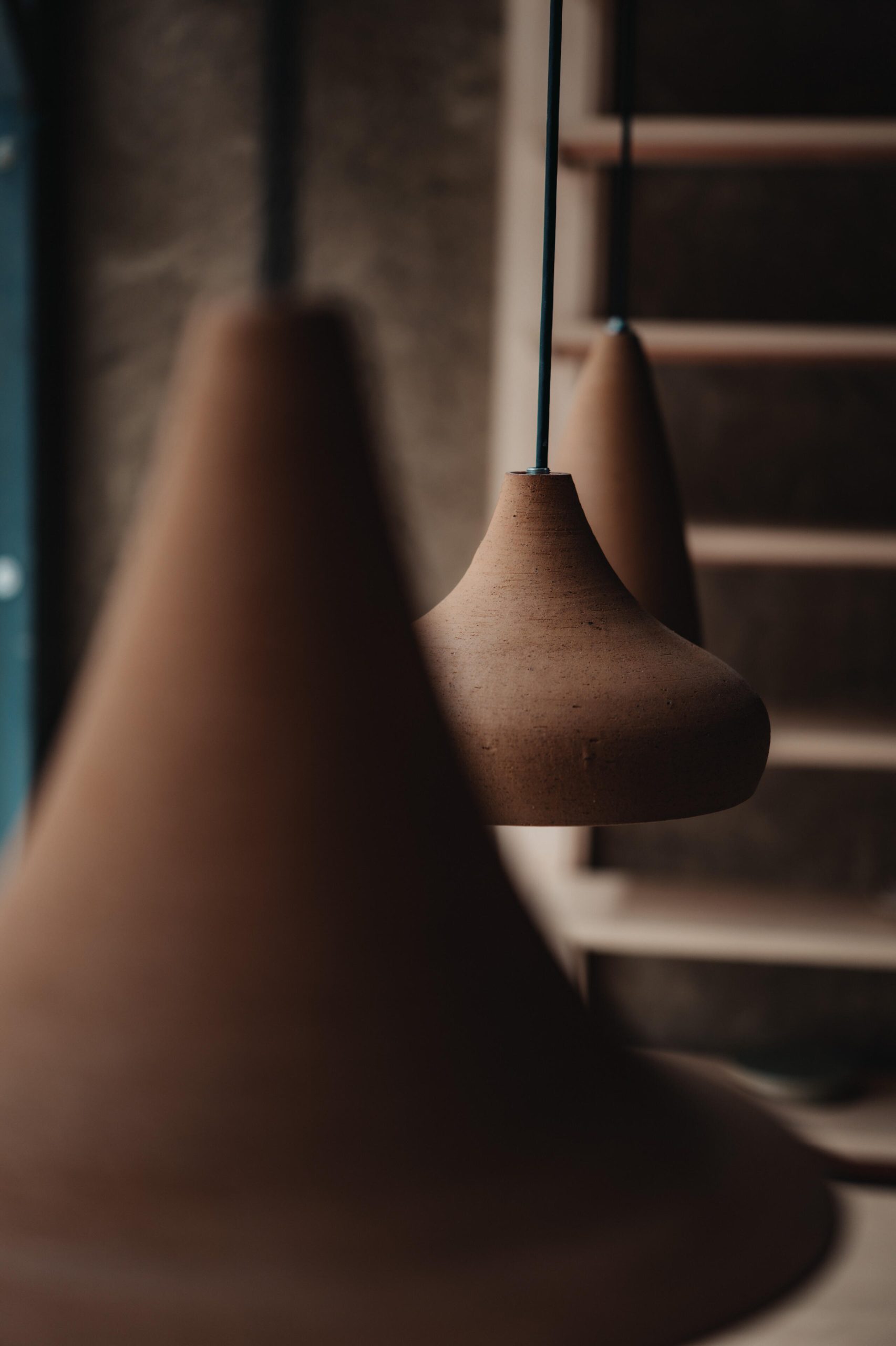
Daisuke and Tomoe seemed to value progress through steady, careful increments. Their staff grew step by step, as did their business and workspace.

metadata
Sigma 17-40mm F1.8 DC | Art
LEICA SL3
ISO 400, F1.8, 1/30s, 40mm
metadata
Sigma 17-40mm F1.8 DC | Art
LEICA SL3
ISO 100, F1.8, 1/50s, 40mm
metadata
Sigma 17-40mm F1.8 DC | Art
LEICA SL3
ISO 100, F1.8, 1/800s, 40mm
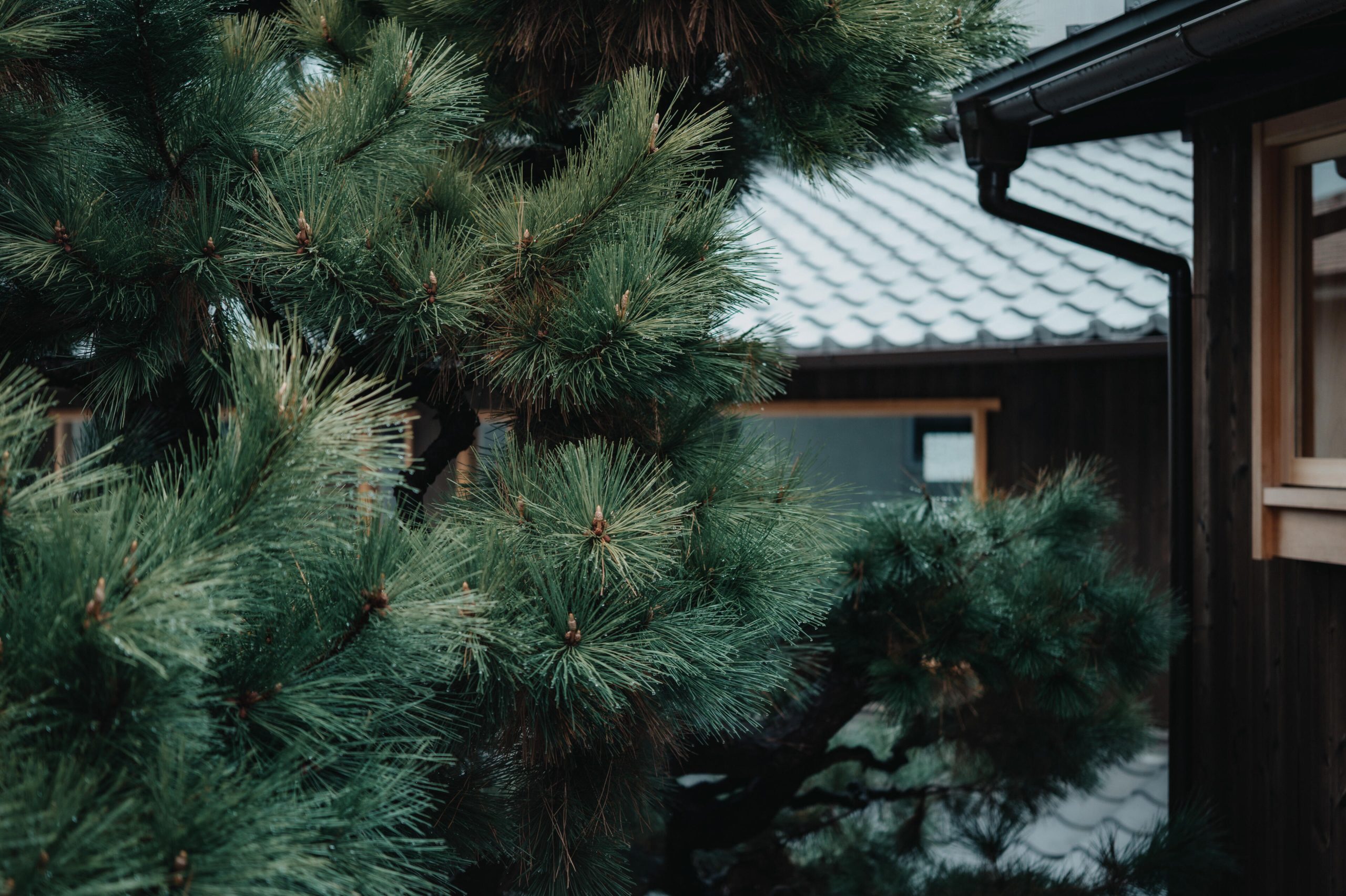
metadata
Sigma 17-40mm F1.8 DC | Art
LEICA SL3
ISO 100, F1.8, 1/800s, 40mm
Indeed, I had gone a bit too far. The lens, until then an imperceptible presence in my hands, had begun to warm from the heat.