SIGMA

CONTEMPORARY

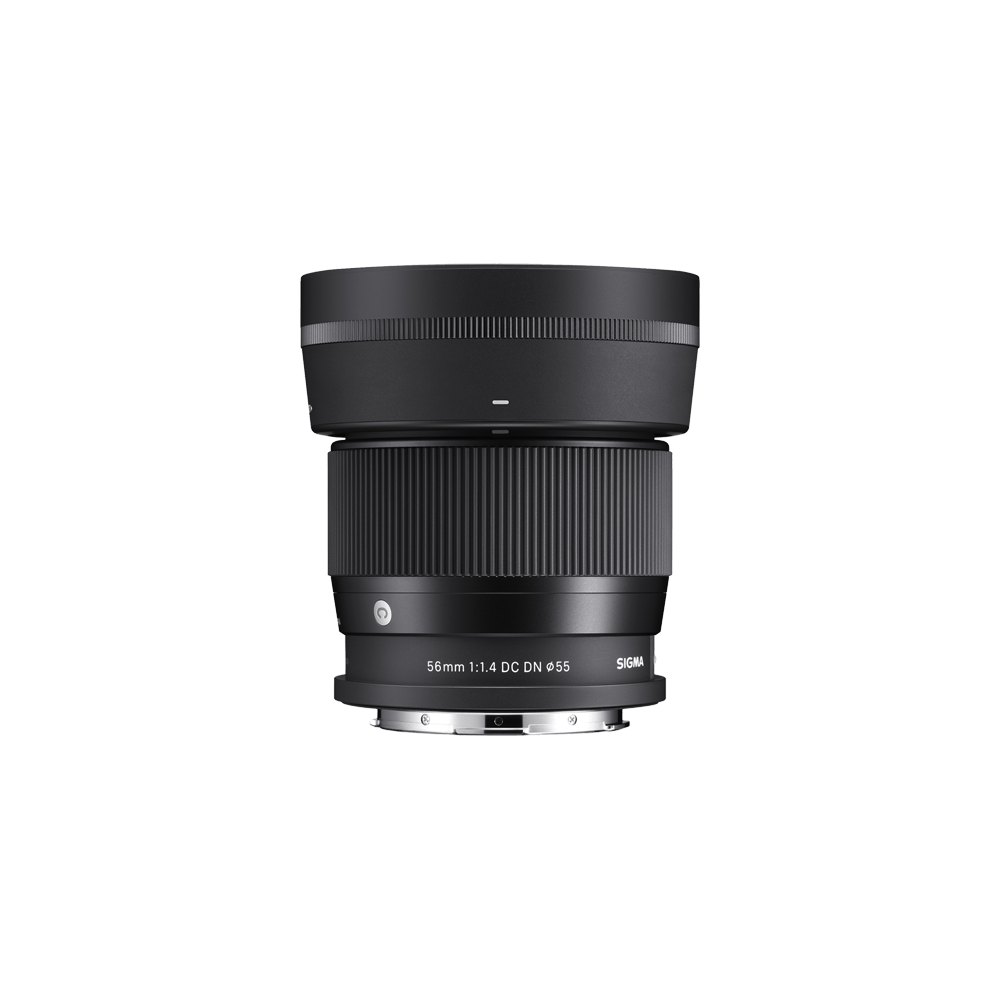
56mm F1.4 DC DN

CONTEMPORARY

56mm F1.4 DC DN

Available Mounts

L-MOUNT
SONY E-MOUN
CANON RF MOUNT
FUJIFILM X MOUNT
MICRO FOUR THIRDS MOUNT
NIKON Z MOUNT

Compact, lightweight and remarkable image quality
―a mid-tele lens for APS-C mirrorless

Offering an opportunity to experience the fun of shooting wide open, with F1.4 brightness

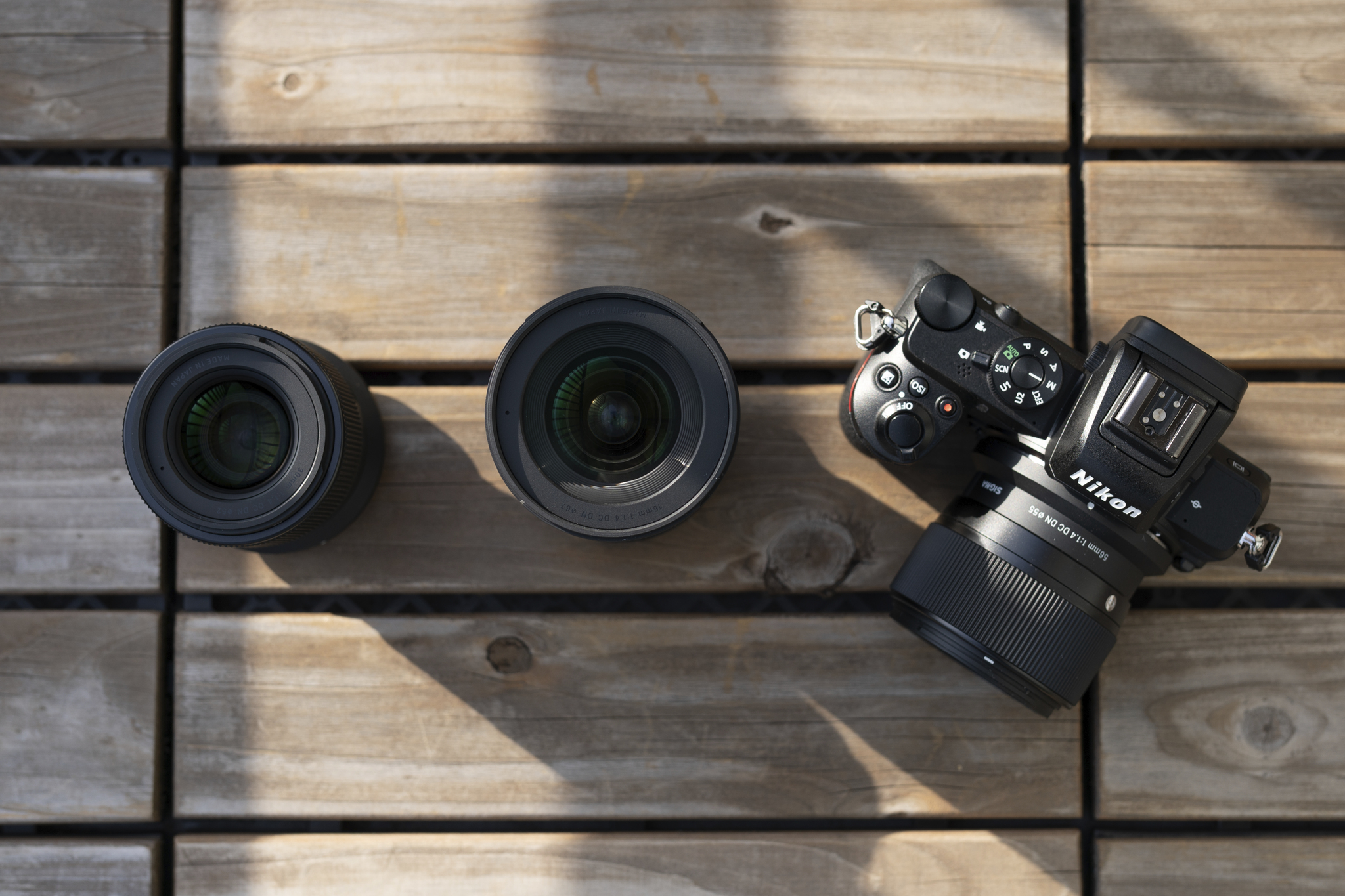
The first of the series is the standard lens 30mm F1.4 DC DN | Contemporary , and the second is the wide-angle lens 16mm F1.4 DC DN | Contemporary . The third addition is this smallest mid-tele lens in its class, 56mm F1.4 DC DN | Contemporary. While retaining the compact, lightweight, and outstanding image quality concepts of the Contemporary line, thanks to Sigma’s leading-edge technology, this lens provides the amount of bokeh and admirable brightness expected from F1.4 lenses even in the mid-tele range. This addition completes the large aperture series comprised of portable wide-angle, standard, and telephoto lenses.

Camera TypeMirroless
Corresponding MountL-Mount,Canon EF-M mount,Canon RF Mount,FUJIFILM X Mount,Micro Four Thirds mount,Nikon Z mount,Sony E-mount
Sensor FormatAPS-C [DC]
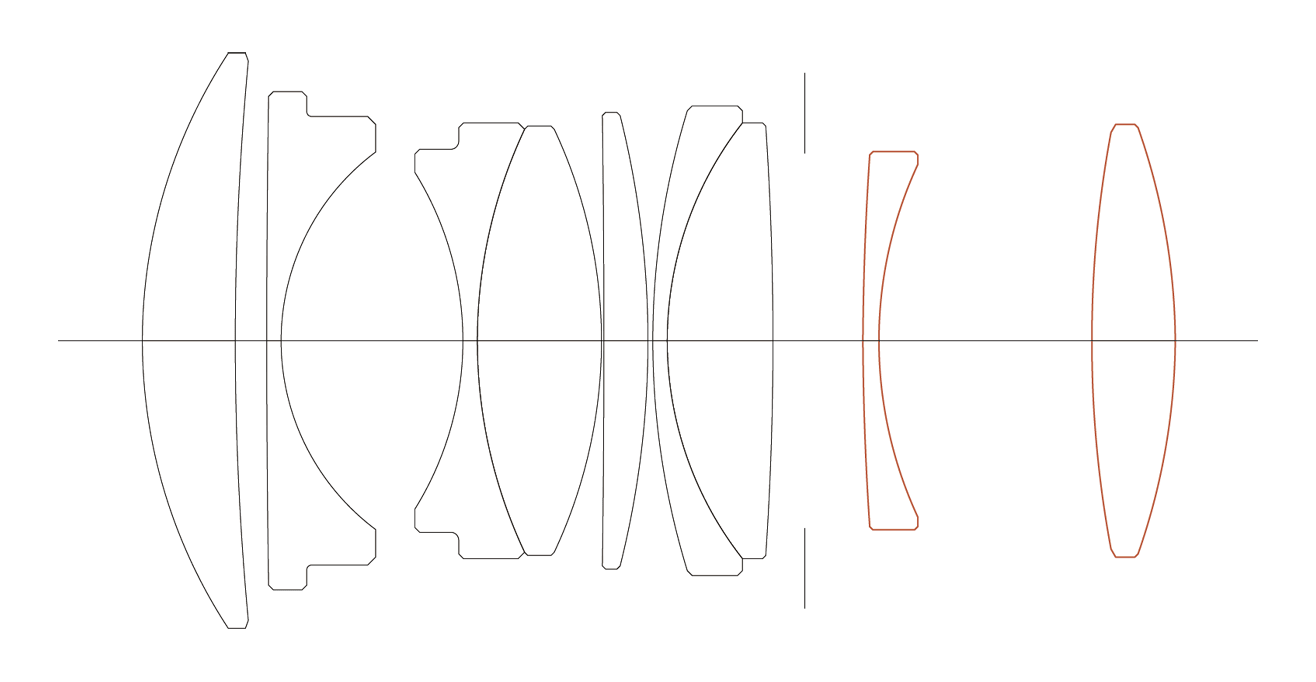
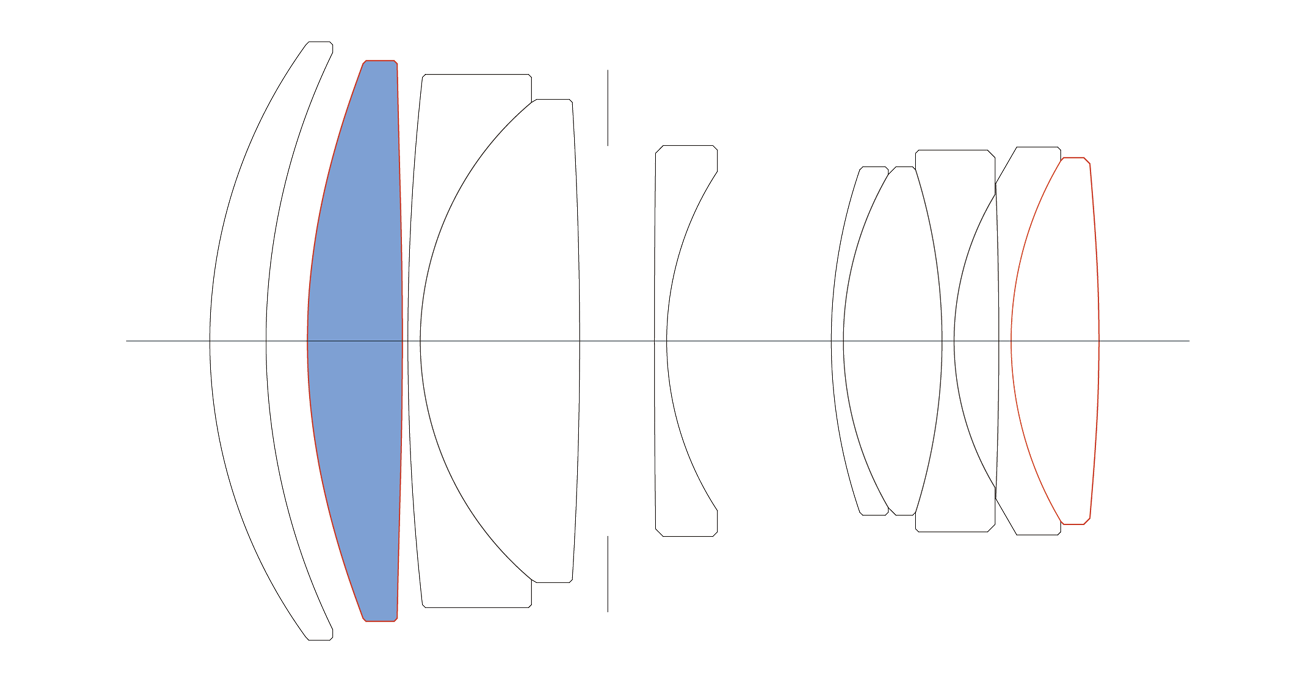
Lens Construction10 elements in 6 groups
Angle of View

L-Mount:28.5°
Canon EF-M mount:26.9°
Canon RF Mount:26.9°
FUJIFILM X Mount:28.5°
Micro Four Thirds mount:21.9°
Nikon Z mount:28.5°
Sony E-mount:28.5°

Number of Diaphragm Blades

9 (rounded diaphragm)

Minimum ApertureF16
Minimum Focusing Distance

50cm / 19.7in.

Maximum Magnification Ratio1:7.4
Filter Sizeφ55mm
Dimensions (Diameter × Length)

L-Mount:φ66.5mm × 57.5mm / φ2.6in. × 2.3in.
Canon EF-M mount:φ66.5mm × 59.5mm / φ2.6in. × 2.3in.
Canon RF Mount:φ69.0mm × 57.5mm / φ2.7in. × 2.3in.
FUJIFILM X Mount:φ66.5mm × 59.8mm / φ2.6in. × 2.4in.
Micro Four Thirds mount:φ66.5mm × 58.1mm / φ2.6in. × 2.3in.
Nikon Z mount:φ70.0mm × 61.5mm / φ2.8in. × 2.4in.
Sony E-mount:φ66.5mm × 59.5mm / φ2.6in. × 2.3in.

*The length of a lens is measured from the filter surface to its mount.

Weight

L-Mount:285g / 10.1oz.
Canon EF-M mount:280g / 9.9oz.
Canon RF Mount:290g / 10.2oz.
FUJIFILM X Mount:280g / 9.9oz.
Micro Four Thirds mount:256g /9.0oz.
Nikon Z mount:295g /10.4oz.
Sony E-mount:280g /9.9oz.

Edition Number

C018

The three-digit code on the surface of the lens is to indicate the year the lens was first released.
(Since it is different from the year of manufacture, the release year and edition number may not match depending on the mount.)

Supplied Accessories

LENS HOOD LH582-01
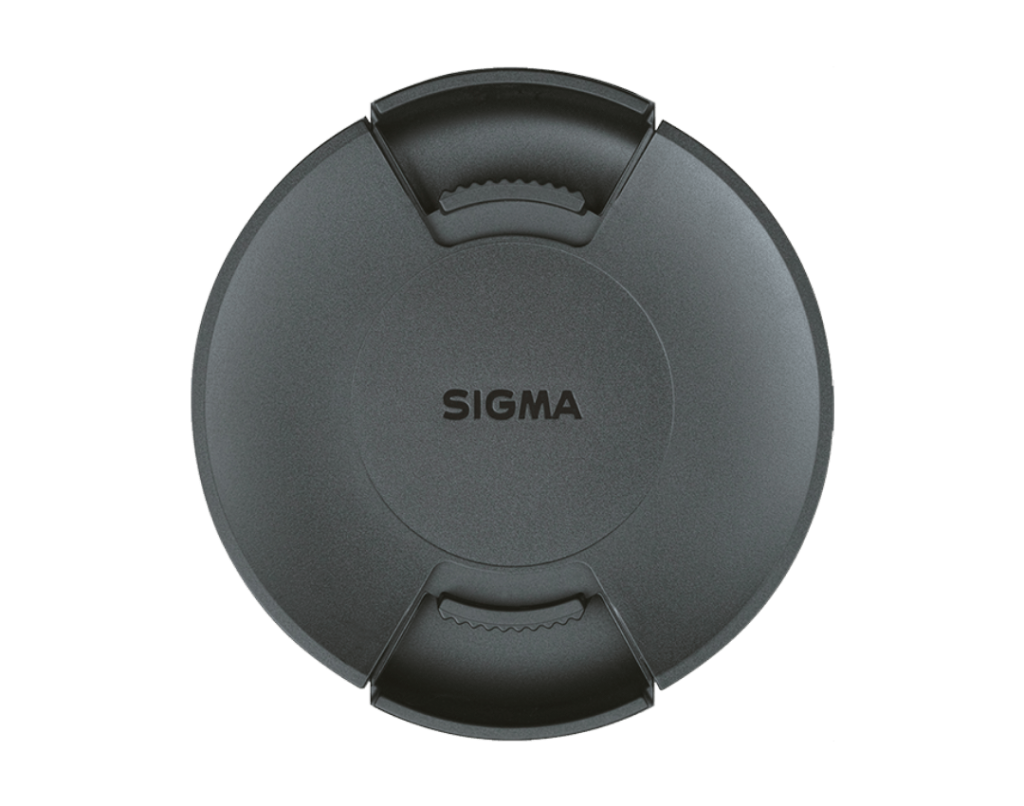
FRONT CAP LCF-55mm III
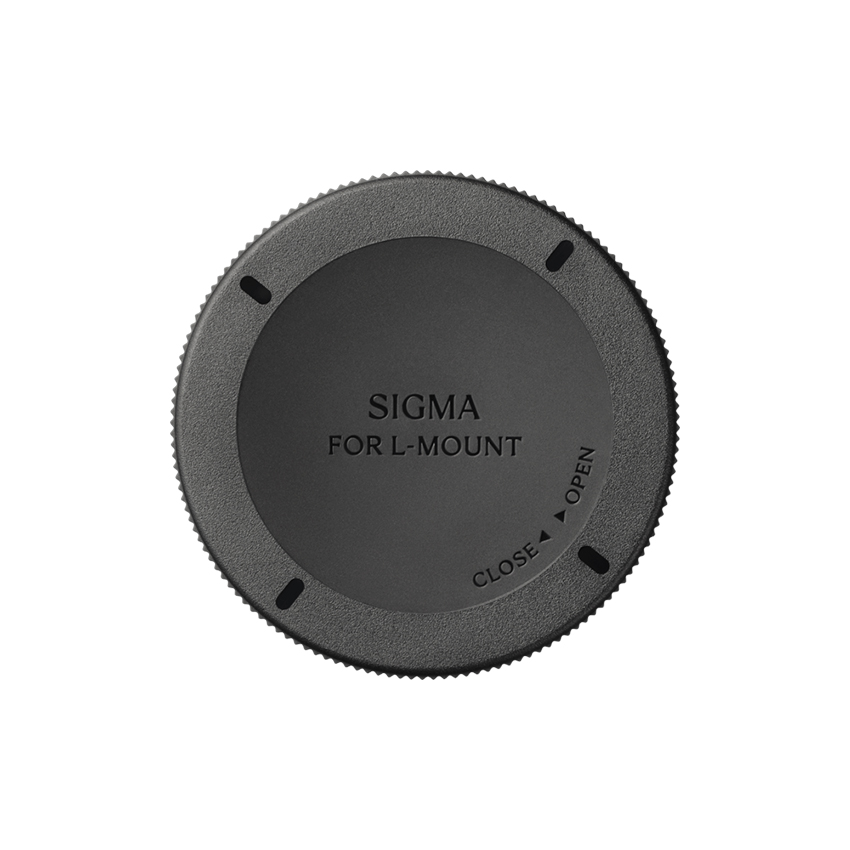
REAR CAP LCR II

Mount / Product BarcodeL-Mount:00-85126-35169-4
Canon EF-M mount:00-85126-35171-7
Canon RF Mount:00-85126-35172-4
FUJIFILM X Mount:00-85126-35175-5
Micro Four Thirds mount:00-85126-35163-2
Nikon Z mount:00-85126-35173-1
Sony E-mount:00-85126-35165-6
Camera CompatibilityLINK
* L-Mount is a registered trademark of Leica Camera AG.
* Sony E-mount is developed, manufactured and sold based on the specifications of E-mount which was disclosed by Sony Corporation under the license agreement with Sony Corporation.
* Nikon Z mount is developed, manufactured and sold under the license agreement with Nikon Corporation.
* Canon RF Mount is developed, manufactured and sold under license from Canon Inc.
* Canon EF-M mount does not feature mount with dust and splash resistant structure.

A member of the high-performance Contemporary line, featuring Sigma’s latest technologies

Smooth AF ideal for video shooting

The combination of optical design for video AF and use of the stepping motor enables smooth and quiet autofocus. This lens is also compatible with the Sony E-mount Fast Hybrid AF, achieving precise AF tracking. By using the face recognition or eye AF functions of cameras, focus will continuously be on the face or the eye even if the subject moves during the shoot.


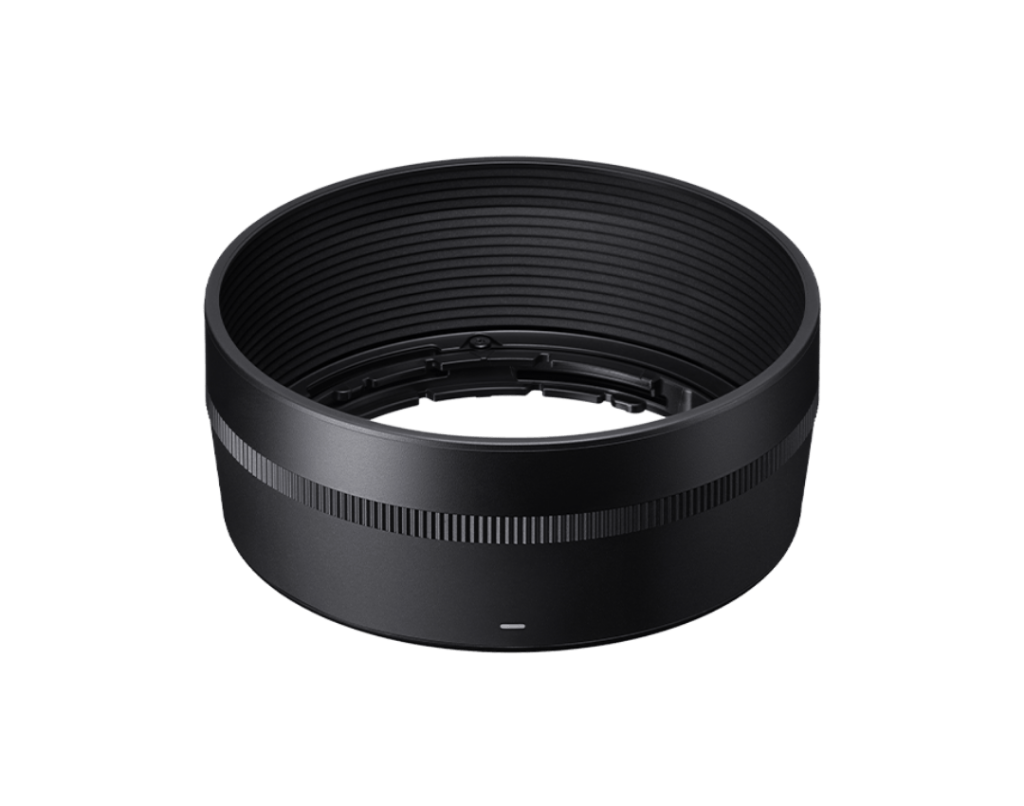
Extra-long Hood (Supplied)

The included lens hood is extra-long and features an antireflective coating to manage unwanted light. The hood also features rubber and anti-slip textures to make it easier for the photographer to hold while shooting.


Combining compactness with outstanding optical performance

The front lens element features high-refractive index, high-dispersion glass for extra power and a shorter overall lens length. To optimize the lens for mirrorless cameras, two aspherical lens elements help ensure outstanding image quality and overall compactness. The Sigma 30mm F1.4 DC DN | Contemporary features Sigma’s inner focus technologies, while lighter lens elements in the focus lens group make possible a more compact actuator. Moreover, this lens offers outstanding stability whether the photographer is shooting handheld or has the camera placed on a surface. Structurally, the lens features materials and parts that contribute to its compact, lightweight structure. In summary, this is an unprecedented lens that combines outstanding optical performance with exceptional portability and usability.


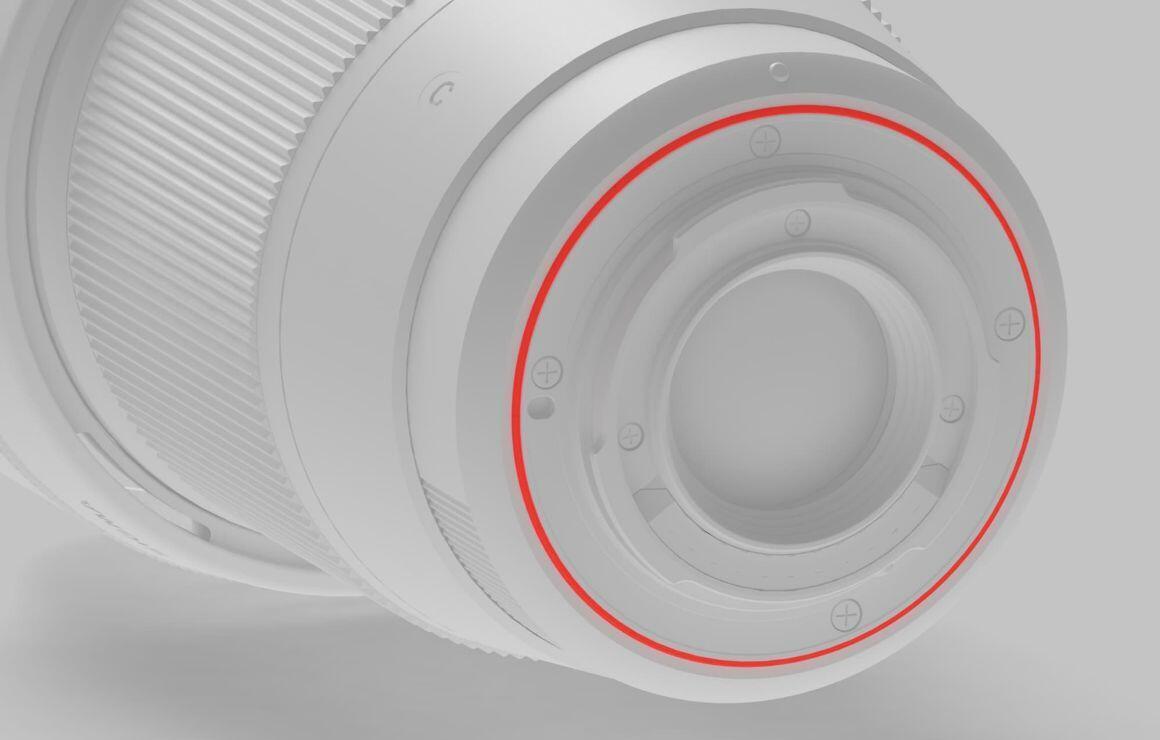
Mount with Dust and Splash Resistant Structure

The mount features a special sealing* to make the lens an excellent choice in a wide variety of conditions.

* Not featured on Sony E mount, Canon EF-M mount, and Micro Four Thirds mount.


High-precision, rugged brass bayonet mount
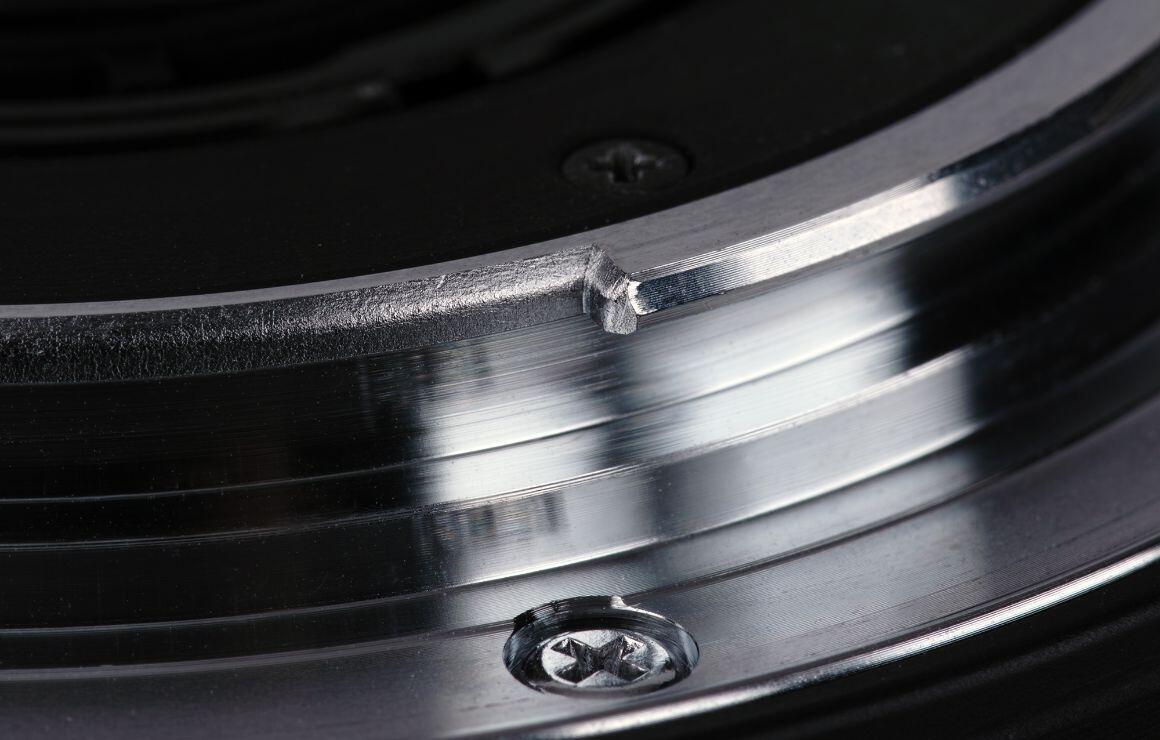
The brass mount combines high precision with rugged construction. Its treated surfaces and enhanced strength contribute to the exceptional durability of the lens.


Mount with Dust and Splash Resistant Structure

The mount features a special sealing* for a dust and splash resistant structure to make the lens an excellent choice in a wide variety of conditions.

*Except for Canon EF-M mount


Impressively compact construction with image quality rivaling Sigma’s Art line.

To achieve such a compact construction, lens design is considered based on the capabilities of the camera body function to correct* peripheral light amount and distortion. Moreover, axial color aberration, which is difficult to eliminate by image processing, is efficiently corrected by incorporating an SLD glass element. A compactness and lightweight construction combined with superb image quality is achieved.

* Limited to what the camera supports.

EOS-M series cameras incompatible with aberration correction
Cameras incompatible with distortion correction
EOS M5, EOS M6, EOS M100, EOS M10, EOS M3, EOS M2, EOS M



Designed to minimize flare and ghosting

From an early stage in the lens design process, flare and ghosting have been measured to establish an optical design resistant to strong incident light sources such as backlighting. Sigma’s Super Multi-Layer Coating reduces flare and ghosting to help photographers produce sharp and high contrast images even in backlit conditions. The included lens hood can be attached to block out extraneous light, which can have a negative effect on rendering performance.



The only three F1.4 AF lens system for APS-C Sony E-mount mirrorless cameras

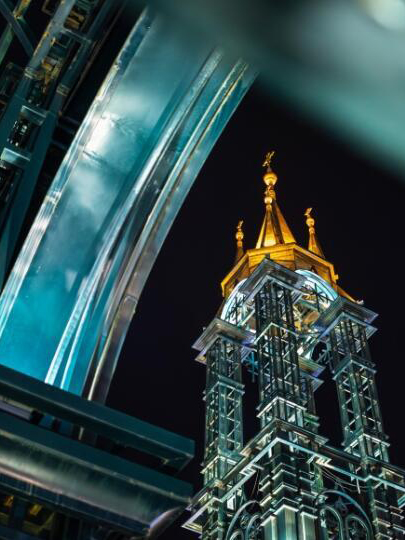
The lens benefits from an open aperture of F1.4 to achieve sufficient amount of bokeh and admirable brightness even with APS-C size cameras which tend to have smaller bokeh effects compared to 35mm full size systems. Its compact and lightweight body is perfect for daily use, capable of capturing various scenes ranging from portraits to snapshots, as well as night view.


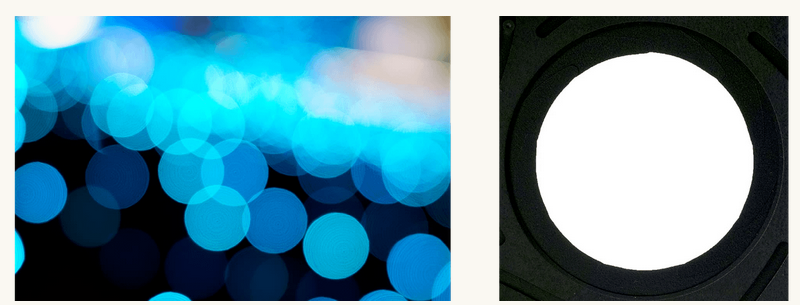
Rounded diaphragm

The 9-blade rounded diaphragm creates an attractive blur in the out-of-focus areas of the image.


LENS CONSTRUCTION

MFT CHART


DIFFRACTION MTF
GEOMETRICAL MTF


MTF CHART GUIDE

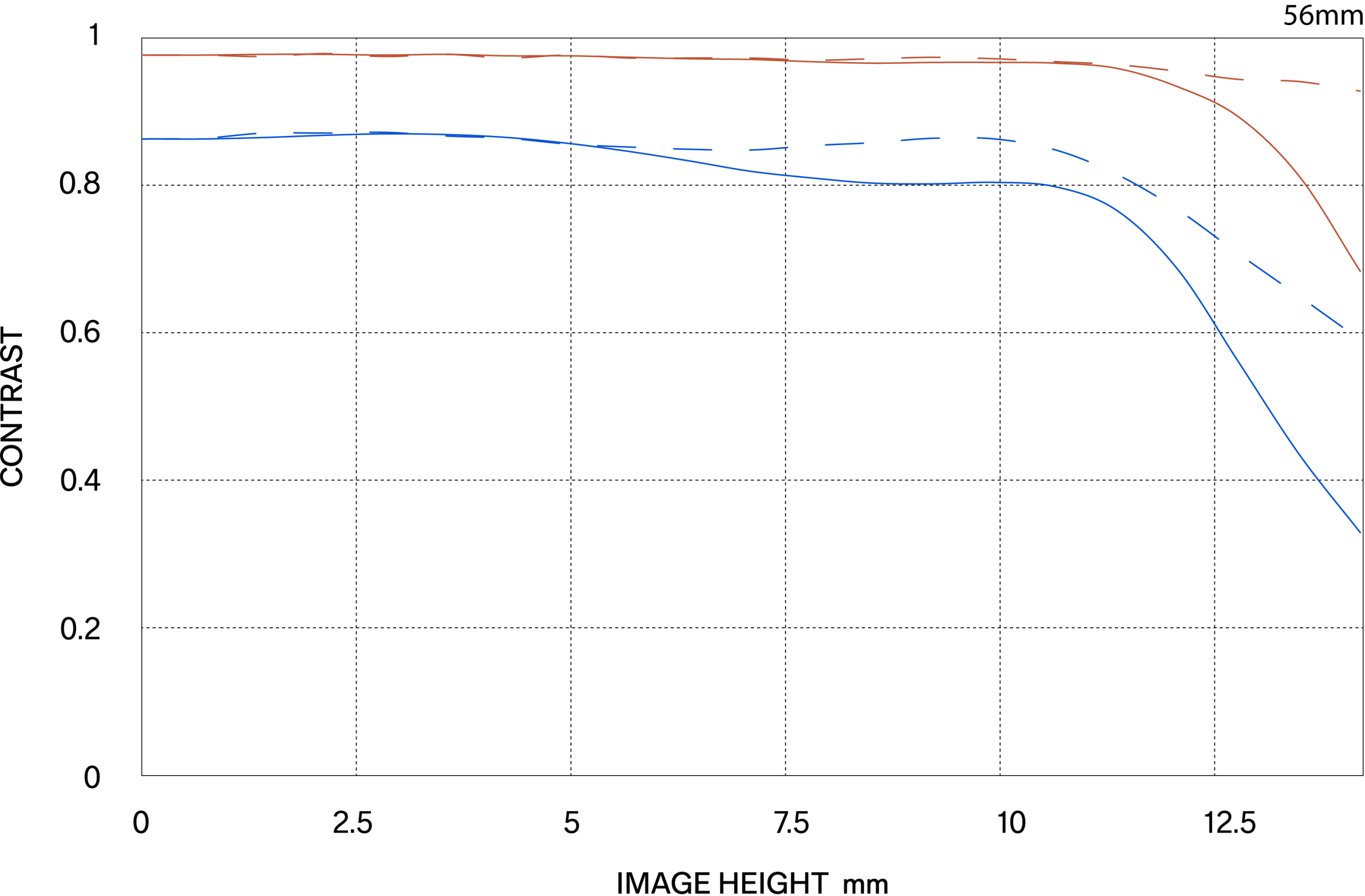
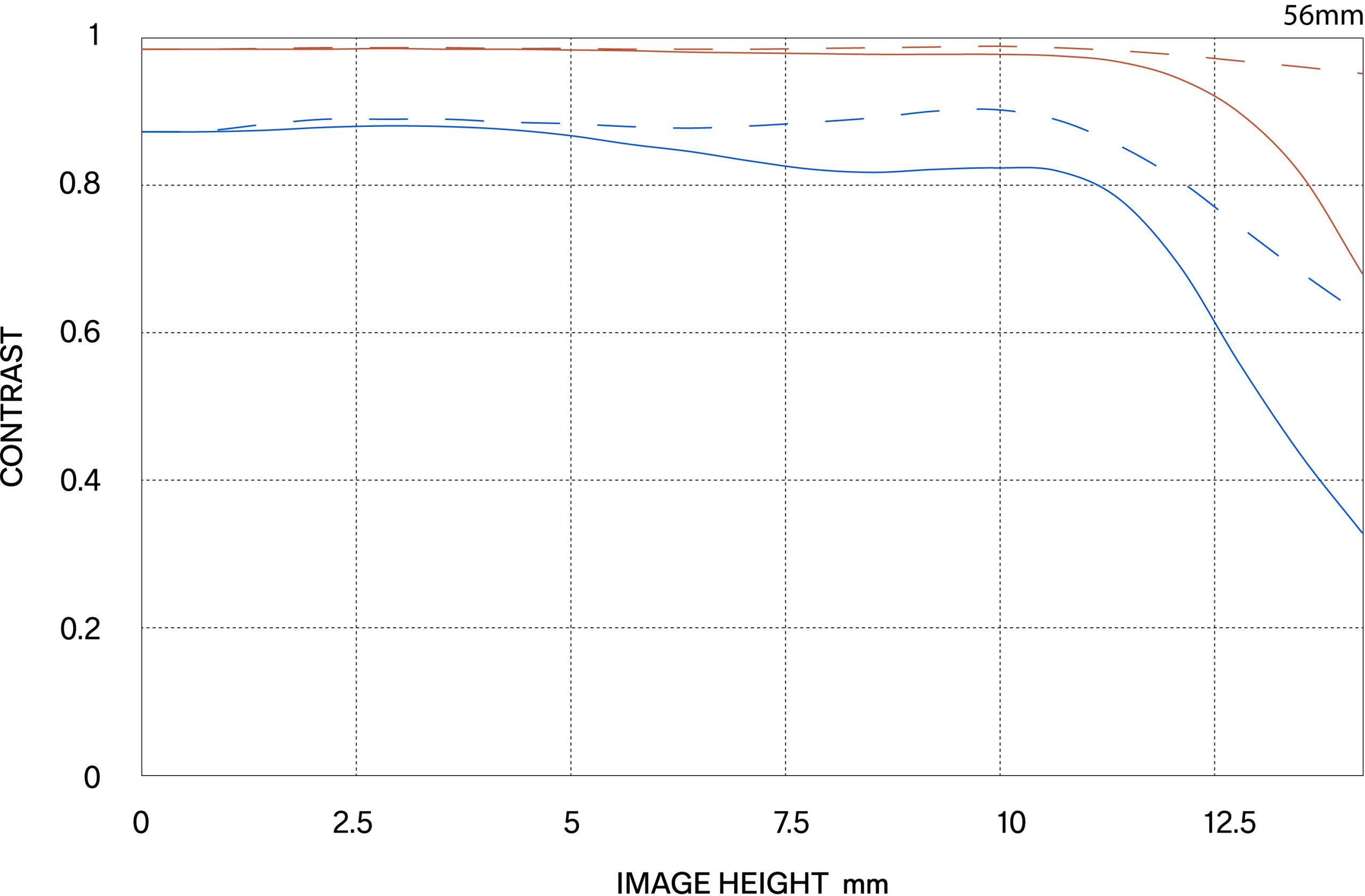
The MTF (Modulation Transfer Function) is one of the measurements for evaluating a lens’ performance, and it shows how faithfully the contrast of the subject can be reproduced on the image plane. The horizontal axis shows the image height (distance from the center of the image in mm) and the vertical axis shows the contrast value (maximum value is 1).
The closer the 10 line pairs/mm curve is to 1, the higher the contrast and clarity of the lens is, and similarly, the closer the 30 line pairs/mm curve is to 1, the better the resolution and sharpness of the lens is.

*The MTF chart depicts the result at the wide-open aperture.
*For mirrorless lenses that support distortion correction, the horizontal axis shows the image height equivalent to when an L-Mount lens is attached to a Sigma L-Mount camera with distortion correction applied. (The effect of distortion correction may differ depending on the mount and camera used.)
*The spatial frequency indicates the variation on the image plane before distortion correction is performed.

Linear focus / Non-linear focus (for L-Mount only)

A focus movement method of interchangeable lenses for mirrorless cameras (DN lens) in relation to the rotational angle of the focus ring during manual focusing.
With “non-linear focus,” the amount of focal point movement varies depending on the focus ring rotational speed.
With linear focus, if the focus ring rotational angle is the same, the amount of focal point movement remains the same regardless of the focus ring rotational speed.


High-precision, rugged brass bayonet mount

The brass mount combines high precision with rugged construction. Its treated surfaces and enhanced strength contribute to the exceptional durability of the lens.


Mount with Dust and Splash Resistant Structure

The lens mount incorporates rubber sealing to protect the mount from dust and water drops.


Rounded diaphragm

The polygonal shape of a conventional iris diaphragm causes out-of-focus light points to appear polygonal. A rounded diaphragm is designed to produce rounded out-of-focus light points when opened to near maximum aperture. This creates attractive bokeh effects in many situations, such as when photographing a subject against an out-of-focus surface of water from which light is being reflected.


Exclusive low-dispersion glass

The degree to which light is refracted by glass depends on the light’s wavelength. This fact causes different colors of light to focus at slightly different points. The result is chromatic aberration, the color fringing that is particularly noticeable in telephoto lenses. Most chromatic aberration can be removed by combining a high-refractivity convex lens element with a low-refractivity concave element. Yet residual chromatic aberration known as “secondary spectrum” may still remain. To minimize this secondary spectrum, which can be a serious issue with conventional lenses, Sigma lenses feature up to three types of exclusive low-dispersion glass offering superior performance: ELD (Extraordinary Low Dispersion), SLD (Special Low Dispersion) and FLD (“F” Low Dispersion). In particular, FLD glass offers ultra-low dispersion in combination with high transmittance and the anomalous dispersion characteristics of fluorite. Meticulous deployment of these types of exclusive low-dispersion glass and optimization of power distribution gives Sigma lenses superlative image rendition undiminished by residual chromatic aberration.


CameraSONY ILCE 7M2
Shutter Speed1/500s
Lens F NumberF1.4
ISO100
Focal Length56mm
PhotographerJuzo Iwaki

CameraNikon Z 50
Shutter Speed1/4000s
Lens F NumberF2
ISO100
Focal Length56mm
PhotographerHideyuki Abe

CameraSONY ILCE 7M2
Shutter Speed1/20s
Lens F NumberF1.4
ISO100
Focal Length56mm
PhotographerJuzo Iwaki