
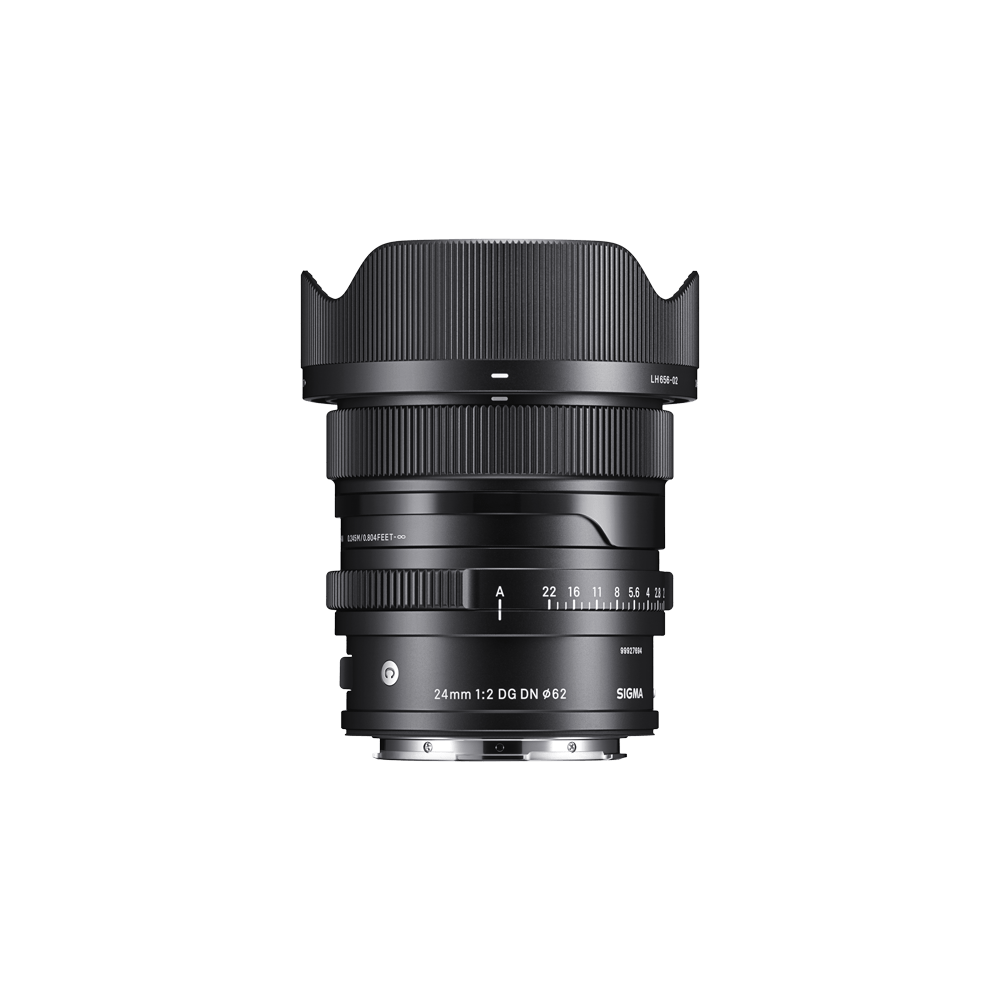
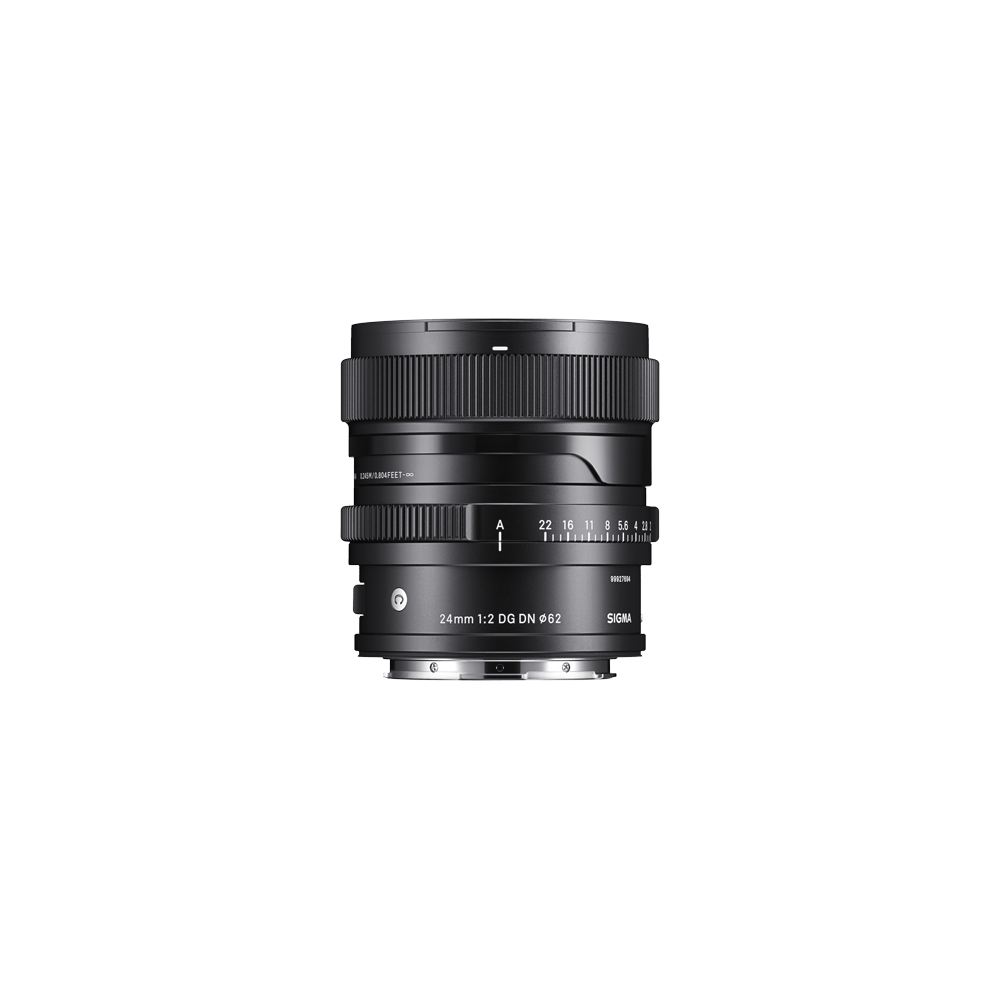
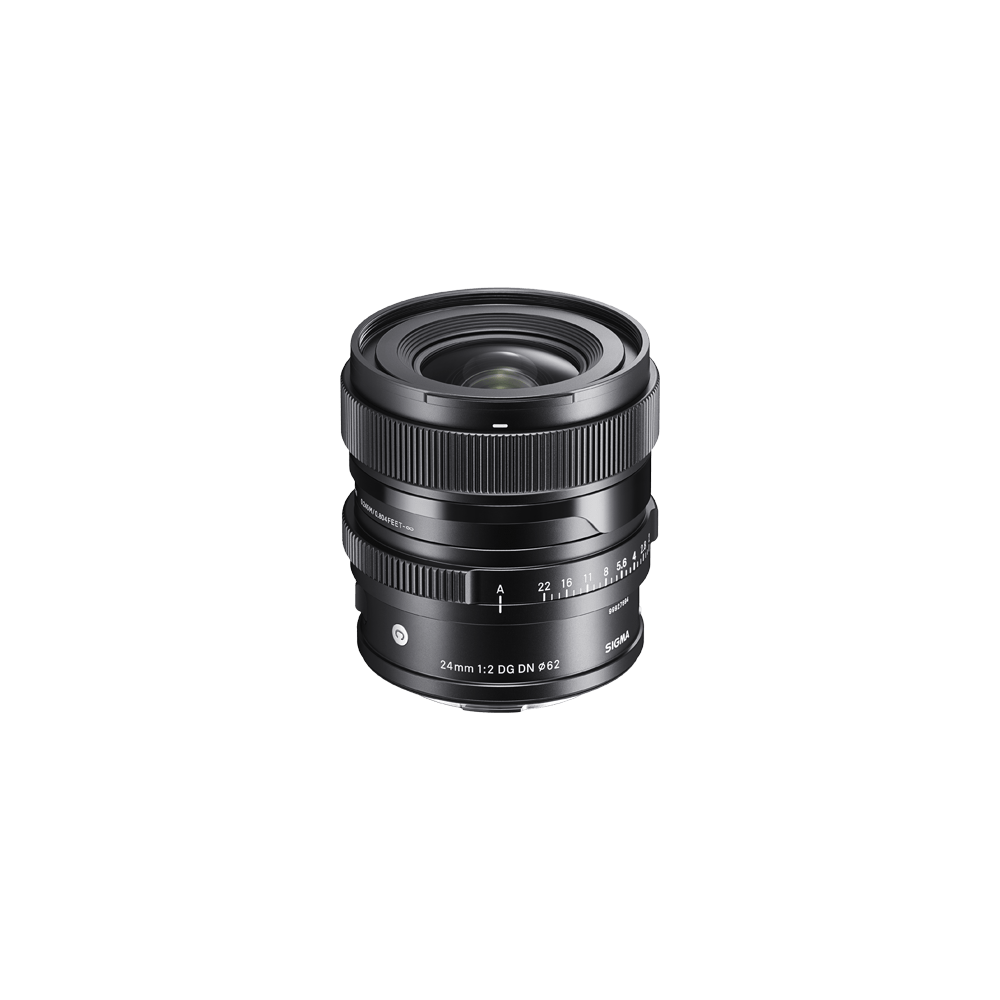
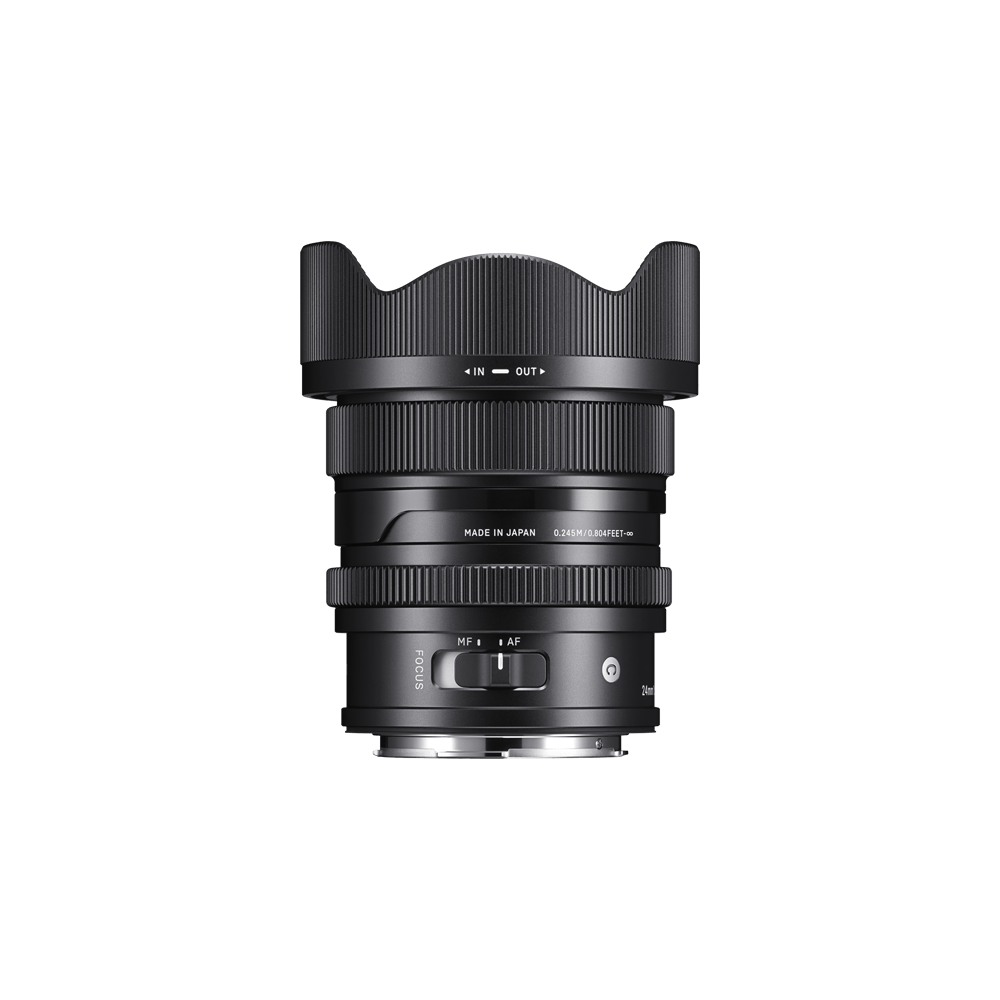
I series | A new photographic experience, “Premium Compact Primes”for mirrorless users
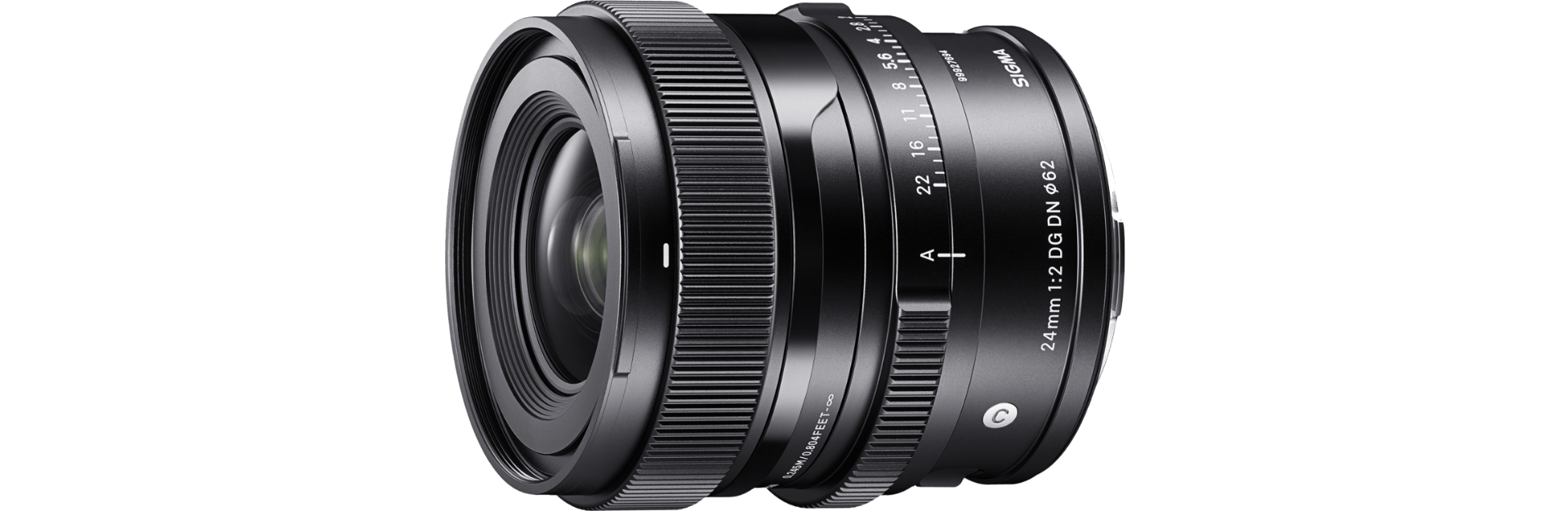
The Sigma I series features full-frame-compatible lenses that offer mirrorless users a new and better alternative, both in the experience of shooting with the lens and in the impressive results it is able to achieve.
One of the key advantages of mirrorless cameras is their smaller form-factor, and this new 24mm optic is designed to be perfectly matched to these more compact systems without sacrificing performance. This combination of superb optical quality with exceptional portability, not previously possible with DSLR systems, will bring new opportunities to this and future generations of photographers.
Simultaneously, Sigma is aware that, in this day and age when we have such huge diversity when it comes to what we use to photograph, as represented by smartphones, people look for something more than a mere act of “taking pictures” when they choose to own a camera and lenses.
Sigma’s excellence in development and processing technologies has been built up since its founding in 1961, and has become further sophisticated with the introduction of the Sigma Global Vision in 2012. With this as a base, Sigma has given careful thought how photographers use and enjoy their lenses, including optical design, advanced functionality, build quality and the experience of picking up and using the lens, and with all of this carefully considered, the I series was born.
New standards of optical performance for the Contemporary line
The Sigma 24mm F2 DG DN | Contemporary, like the Sigma 35mm F2 DG DN | Contemporary and the Sigma 65mm F2 DG DN | Contemporary , combines the highest level of optical performance even at its maximum aperture of F2 and a well-balanced body.
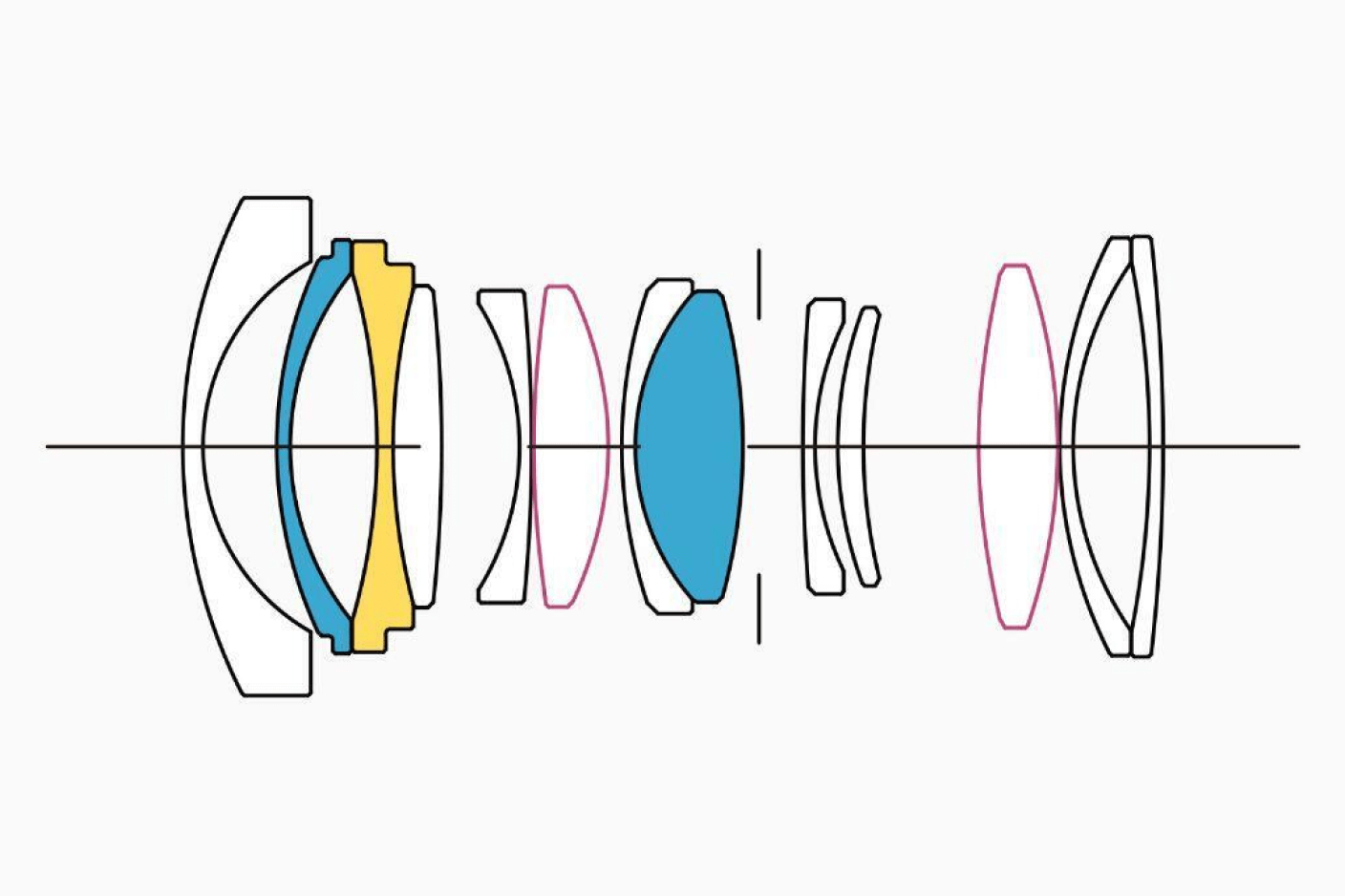
The lens uses two SLD glass elements and one FLD glass element to correct axial chromatic aberration, which is a particular concern with bright lenses. It also incorporates two high-precision glass-molded aspherical elements, made possible by the processing technology of Sigma’s sole production facility in Aizu. This has enabled the total number of lens elements to be kept down and the size and weight of the lens to be reduced, while providing excellent correction of various aberrations.
In anticipation of wide-angle lens applications, Sigma’s optical designers have ensured the lens resolution is extremely high, and is uniform from the center to the periphery of the image. Sagittal coma flare is also well suppressed, giving the lens a high degree of rendering power that makes it ideal for night sky photography.
The AF drive system incorporates a quiet, high-speed stepping motor. This allows photographers to capture every detail of the spacious 24mm scene with light AF.
Use of multiple high-precision aspherical glass molded lenses
The surface of molds for glass molding, which is a process that forms optical components by pressing glass materials at high temperatures, requires ultra-high precision. Sigma uses high-precision molds whose surfaces are controlled with an accuracy of ±5 nanometers (0.000005 mm) or smaller. High precision aspherical glass molded lenses archives both good aberration correction and compact lens size.

Mold for aspherical glass molded lenses
Exceptional I series build quality with a compact form-factor
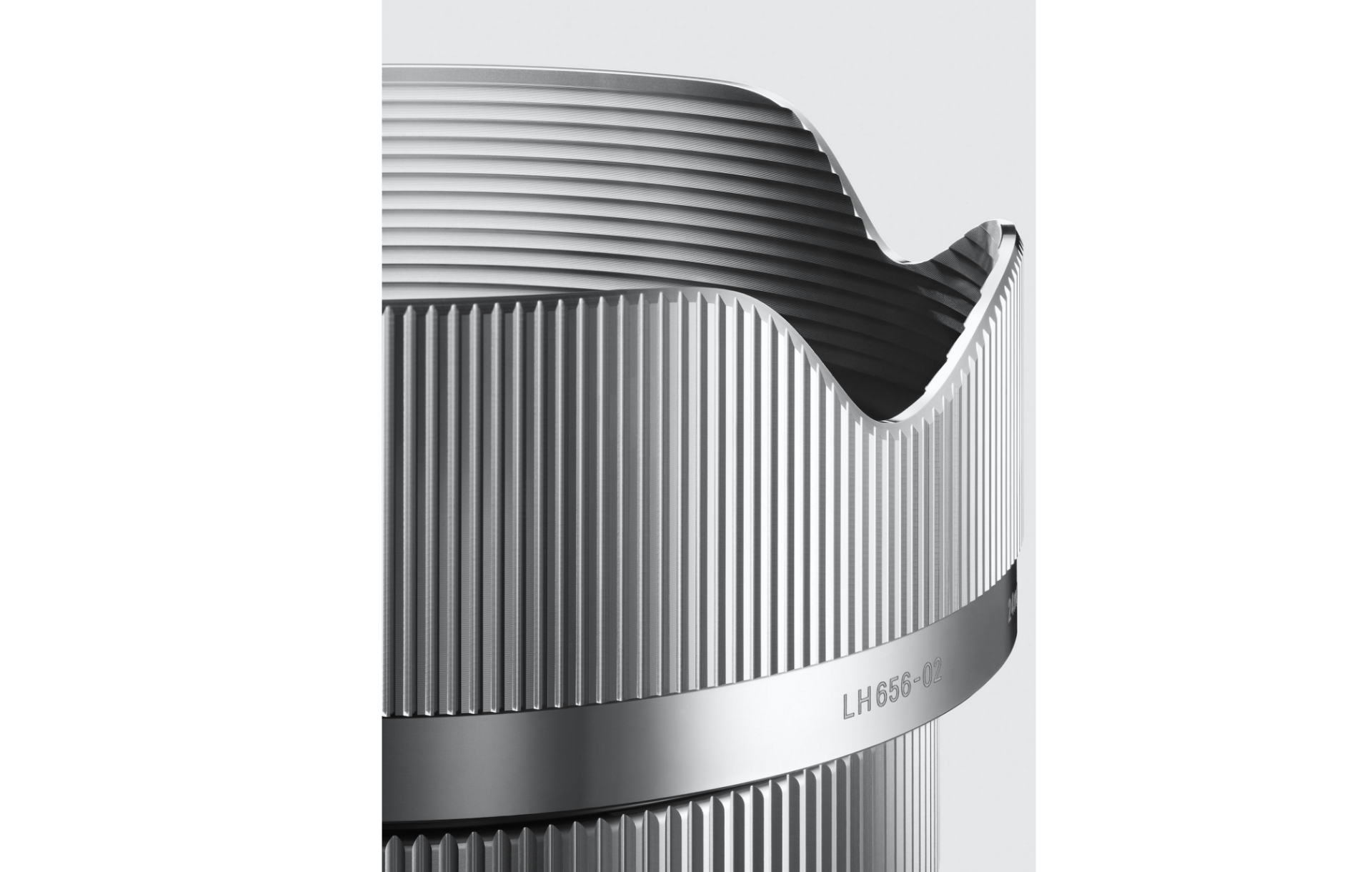
All I series lenses have an all-metal construction. The precision-cut aluminum parts not only give the barrel a sleek, stylish finish, but provide superb durability that improves the quality of the entire product. Metal materials are also used in internal structures that slide with the operation ring for added robustness. These high-precision components crafted with Sigma’s cutting-edge metalworking technology are also used in Sigma’s CINE LENS line-up for professional cinematographers and provide a tactile, ergonomic feel that make the lens a pleasure to use.
The cover ring between the focus ring and the aperture ring has hairline processing that is also used for the rear cylinder of the Art line. This covering functions as a finger hold when attaching or detaching the lens.
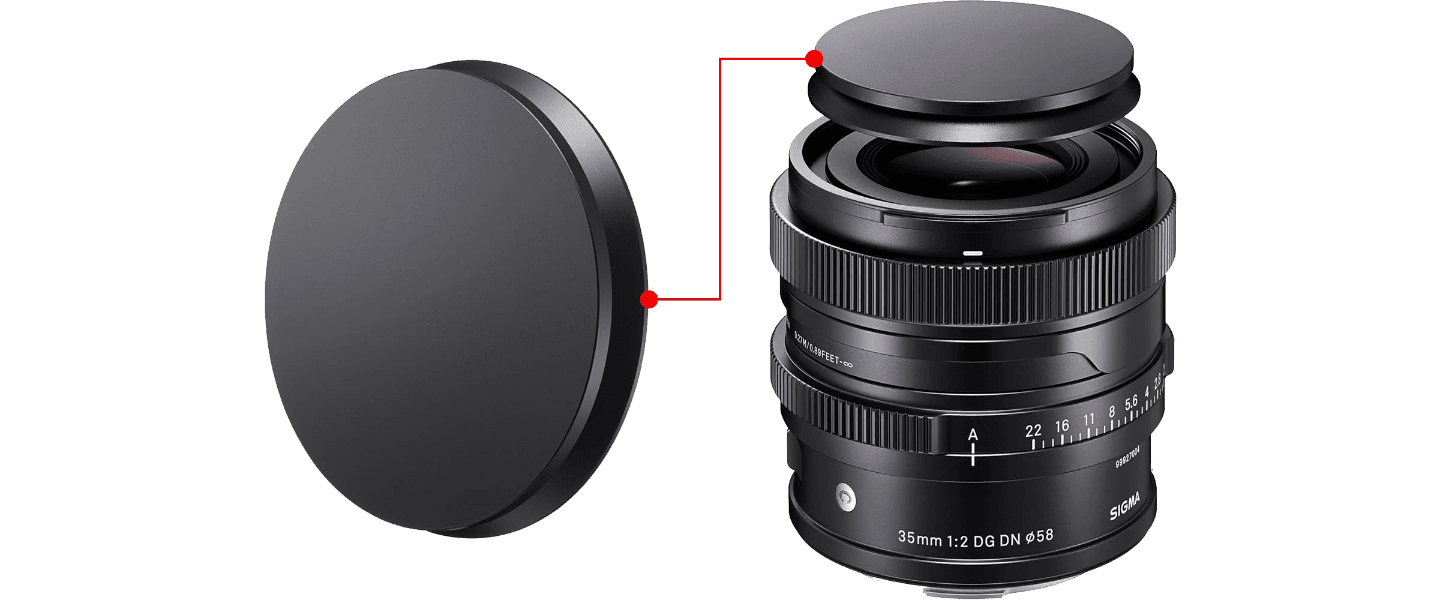
Magnetic metal lens cap
The I series lenses* are accompanied by a dedicated magnetic metal lens cap, in addition to a normal plastic cap. This dedicated metal cap clips to the front surface of the lens magnetically. It is no exaggeration to say that this meticulously crafted cap represents the finishing touch for the I series.
*Except 45mm F3.5 DG DN | Contemporary

Sigma I series | Magnetic Metal lens Cap Promotion Video
*This image is 35mm.
*Cannot be used when a filter is attached.
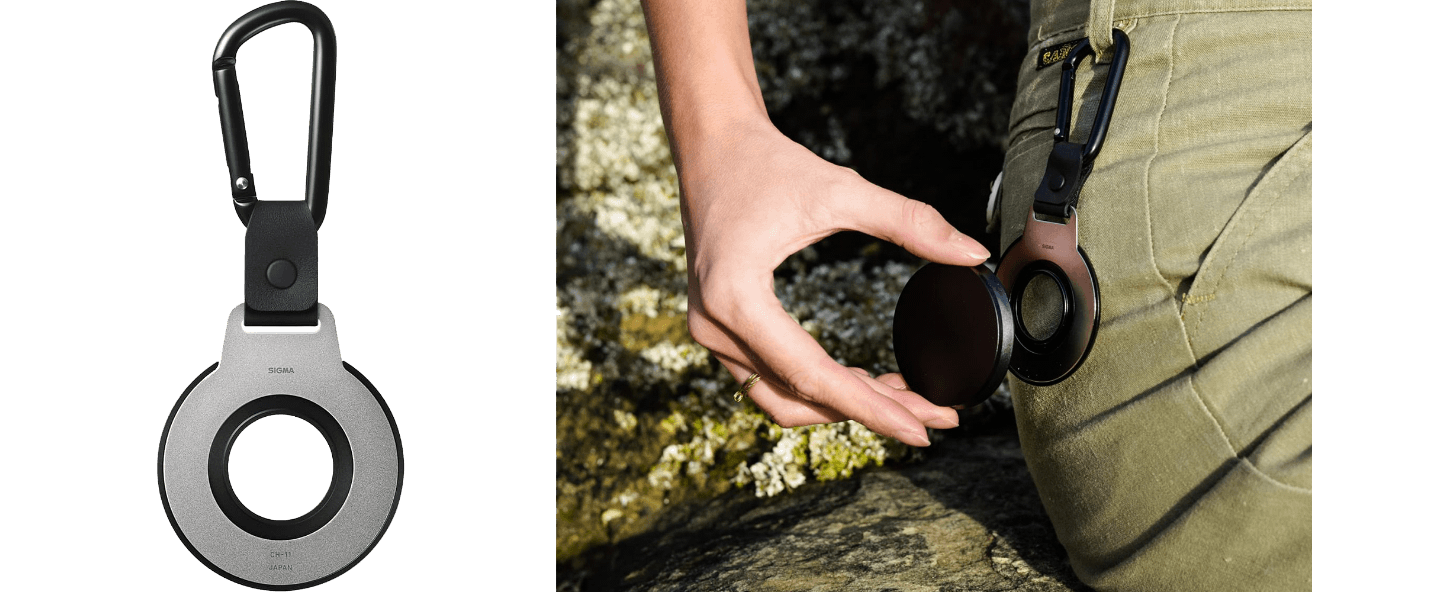
Magnetic metal lens cap holder LENS CAP HOLDER CH-11 (sold separately)
When a cap is removed from the lens it should have a proper place where it can be kept. Using this as a starting point, a cap holder using the magnetic force of the dedicated cap was created.
With the cap attached to the ring plate, and the plate clipped to a bag or belt, the cap is always within easy reach and is less likely to get lost. Plus, its elegant design is a stylish addition to a photographer’s equipment.
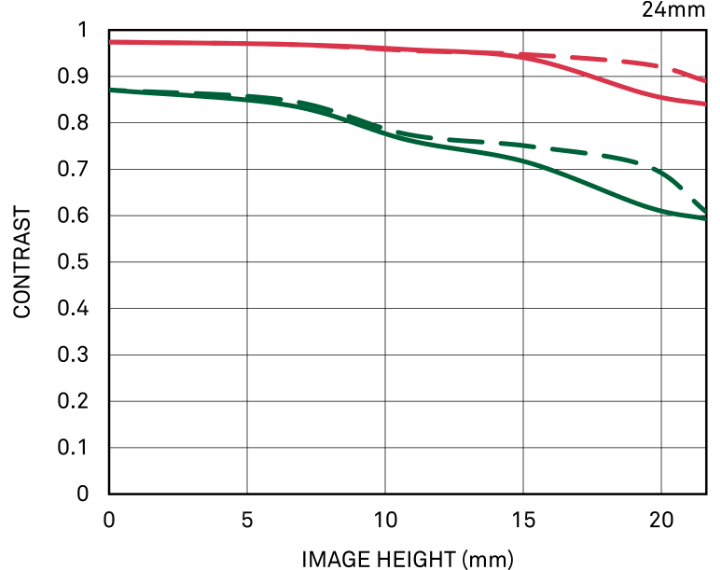
MTF Chart
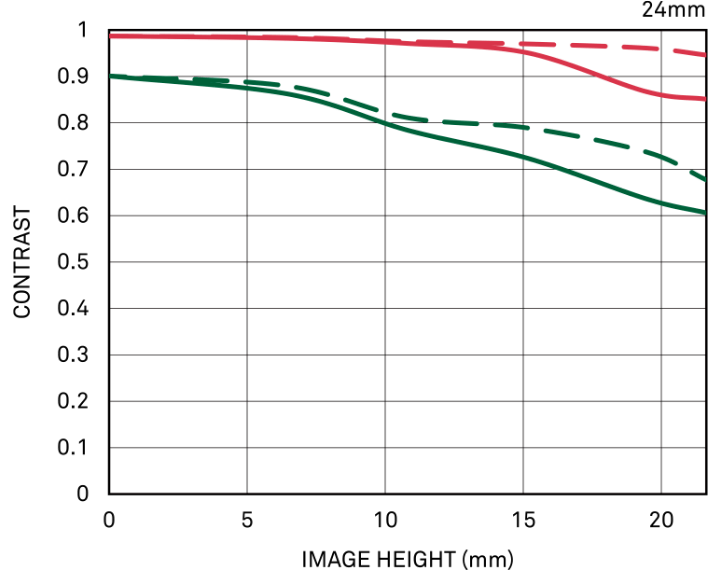
The MTF (Modulation Transfer Function) is one of the measurements for evaluating a lens’ performance, and it shows how faithfully the contrast of the subject can be reproduced on the image plane. The horizontal axis shows the image height (distance from the center of the image in mm) and the vertical axis shows the contrast value (maximum value is 1).
The closer the 10 line pairs/mm curve is to 1, the higher the contrast and clarity of the lens is, and similarly, the closer the 30 line pairs/mm curve is to 1, the better the resolution and sharpness of the lens is.
*The MTF chart depicts the result at the wide-open aperture.
*For mirrorless lenses that support distortion correction, the horizontal axis shows the image height equivalent to when an L-Mount lens is attached to a Sigma L-Mount camera with distortion correction applied. (The effect of distortion correction may differ depending on the mount and camera used.)
*The spatial frequency indicates the variation on the image plane before distortion correction is performed.
DIFFRACTION MTF
GEOMETRICAL MTF

| Camera | SONY α7R V |
|---|---|
| Shutter Speed | 1/640s |
| Lens F number | F9 |
| ISO | 100 |
| Focal lenghth | 24mm |
| Photographer | Aya Iwasaki |

| Camera | SIGMA fp |
|---|---|
| Shutter Speed | 1/4000s |
| Lens F number | F3.2 |
| ISO | 100 |
| Focal lenghth | 24mm |
| Photographer | Pauline Chardin |

| Camera | SIGMA fp L |
|---|---|
| Shutter Speed | 1/2000s |
| Lens F number | F2.8 |
| ISO | 100 |
| Focal lenghth | 24mm |
| Photographer | Maik Lipp |