SIGMA

ART

24–70mm F2.8 DG DN II

ART

24–70mm F2.8 DG DN II

Available Mounts

L-Mount
Sony E-Mount
  • Rendering performance worthy of the flagship name
  • Improved portability and expanded feature set
  • A wealth of functions including high-speed autofocus

A classic, evolved.

The Art 24-70mm F2.8, evolved on all levels:
rendering performance, functionality, and portability.

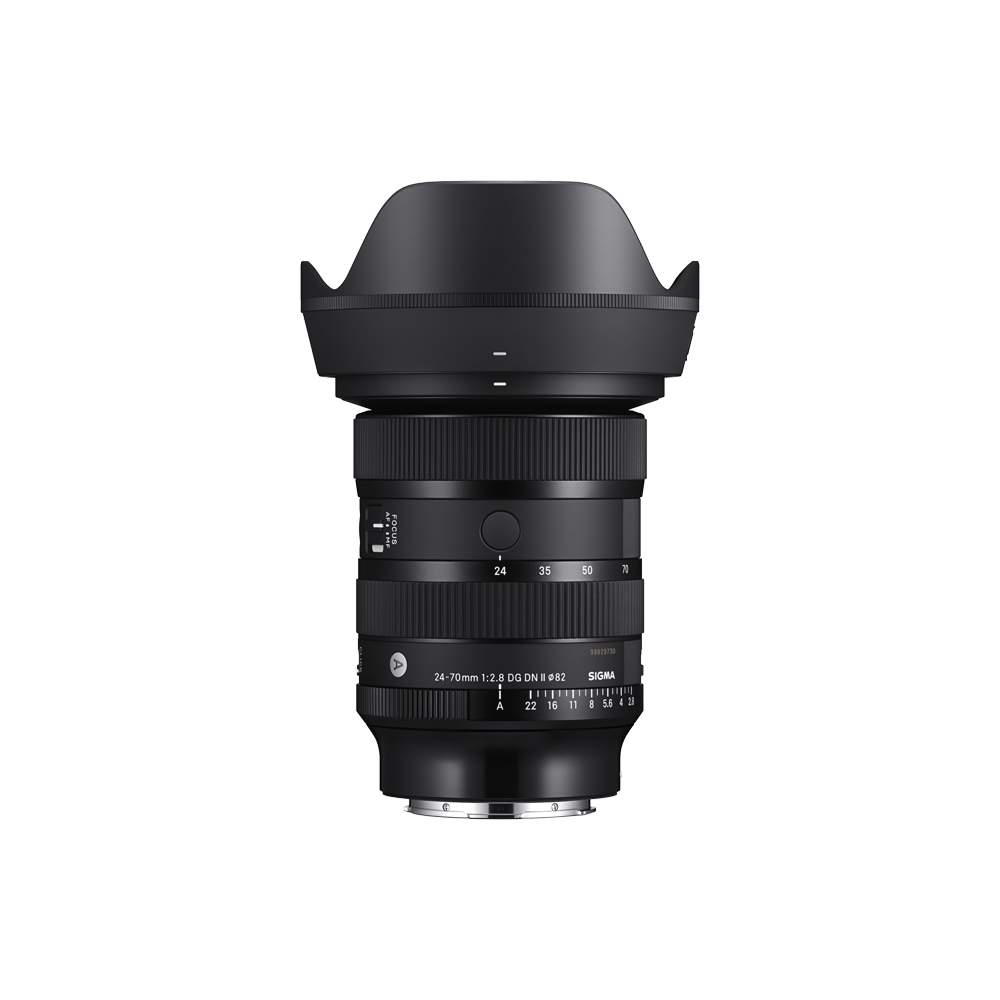
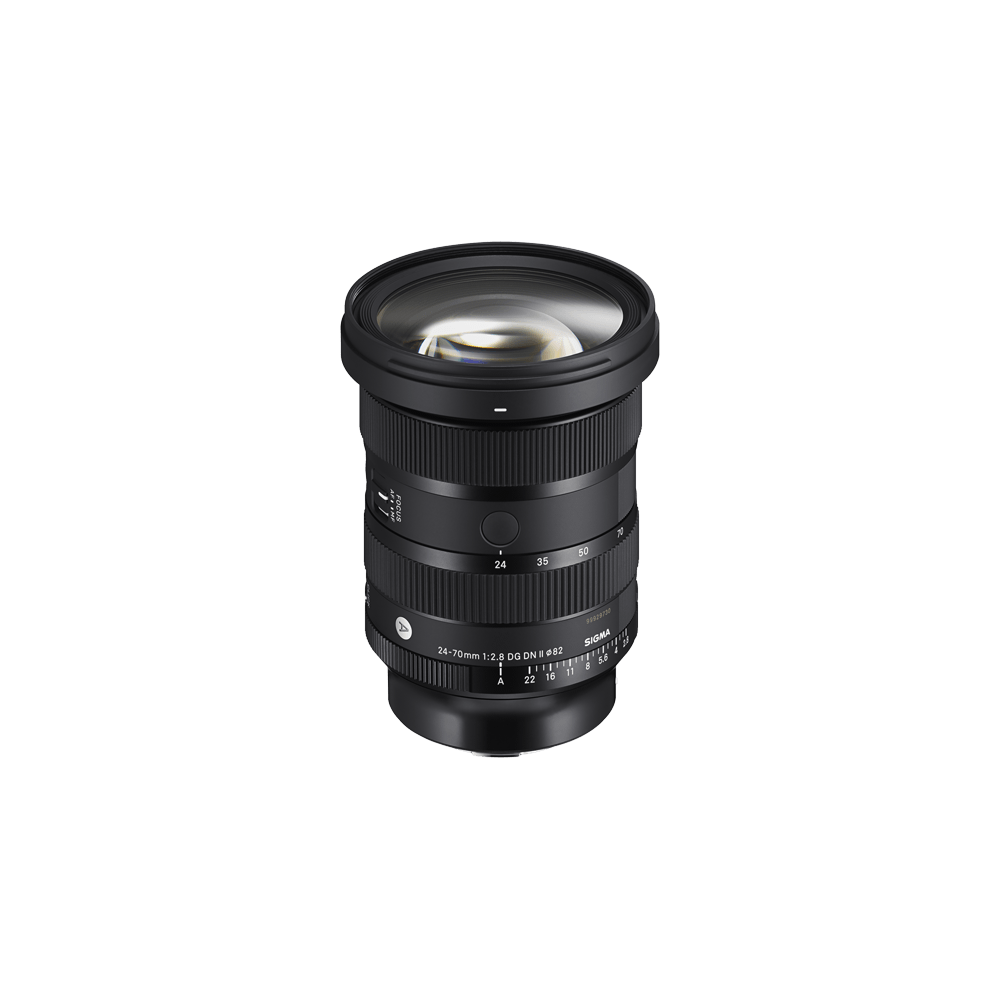
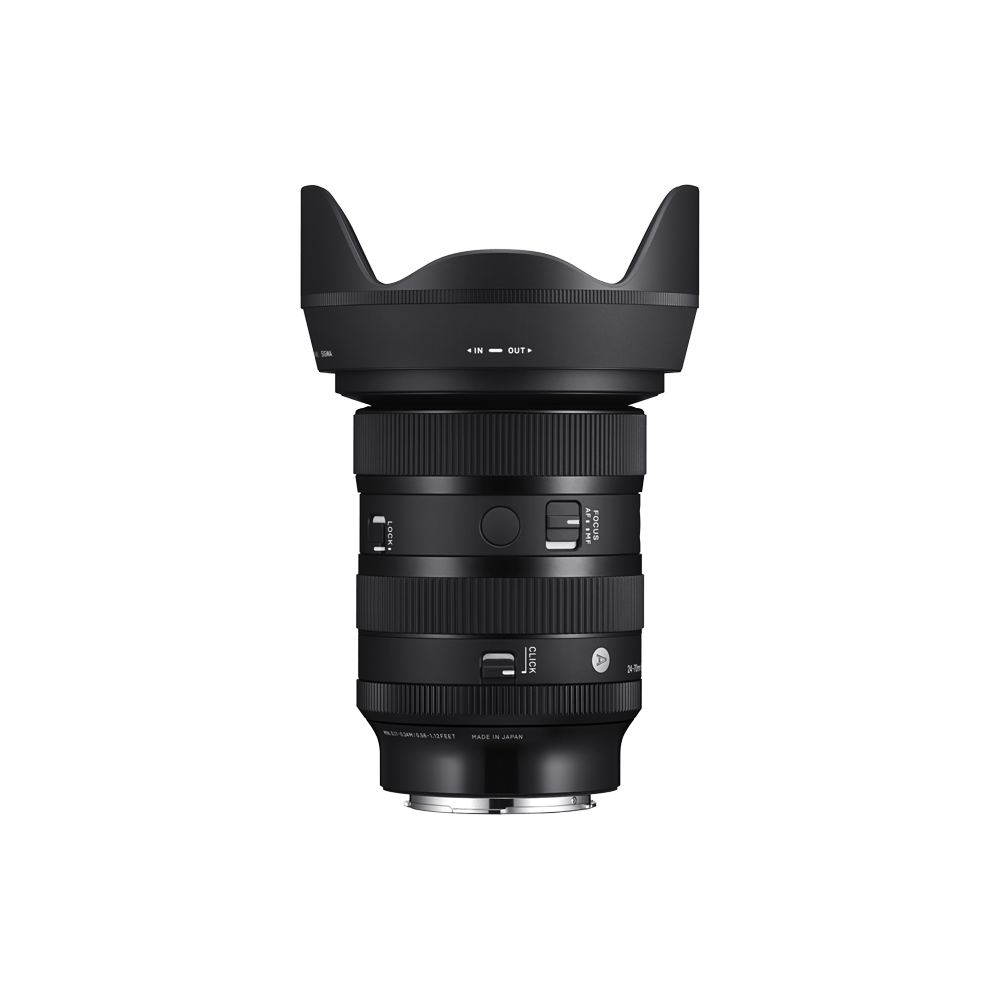
The Sigma 24-70mm F2.8 DG DN II | Art is Sigma’s flagship lens that has evolved significantly from the previous model by incorporating the most advanced technologies available to Sigma from design to production. Compared to the previous Sigma 24-70mm F2.8 DG DN | Art, the Sigma 24-70mm F2.8 DG DN II | Art has improved resolving power throughout the entire zoom range, and also benefits from functional enhancements such as the addition of an aperture ring and high-speed AF with a redesigned AF motor, HLA (High-response Linear Actuator). The lens is also approximately 7% smaller and 10% lighter. This 24-70mm F2.8 Art zoom is a versatile and high-performance tool that will help photographers and filmmakers unlock their creative potential.

Camera TypeMirroless
Corresponding MountL-Mount, Sony E-Mount
Sensor FormatFull-frame [DG]
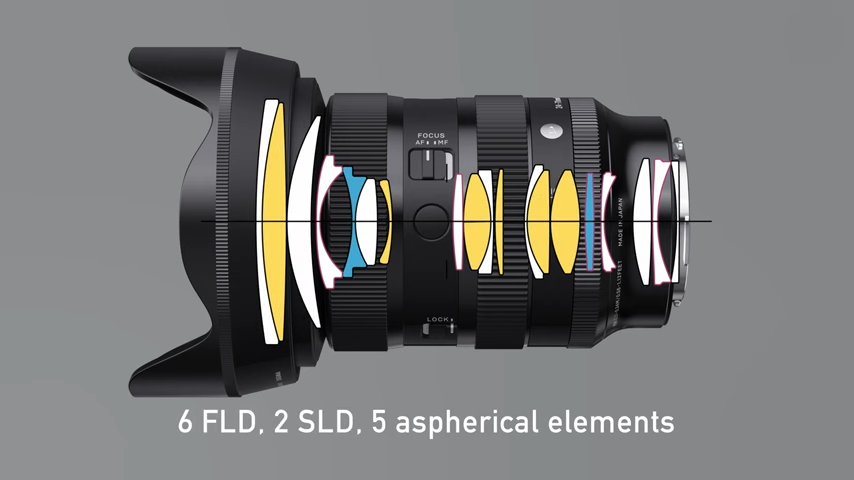
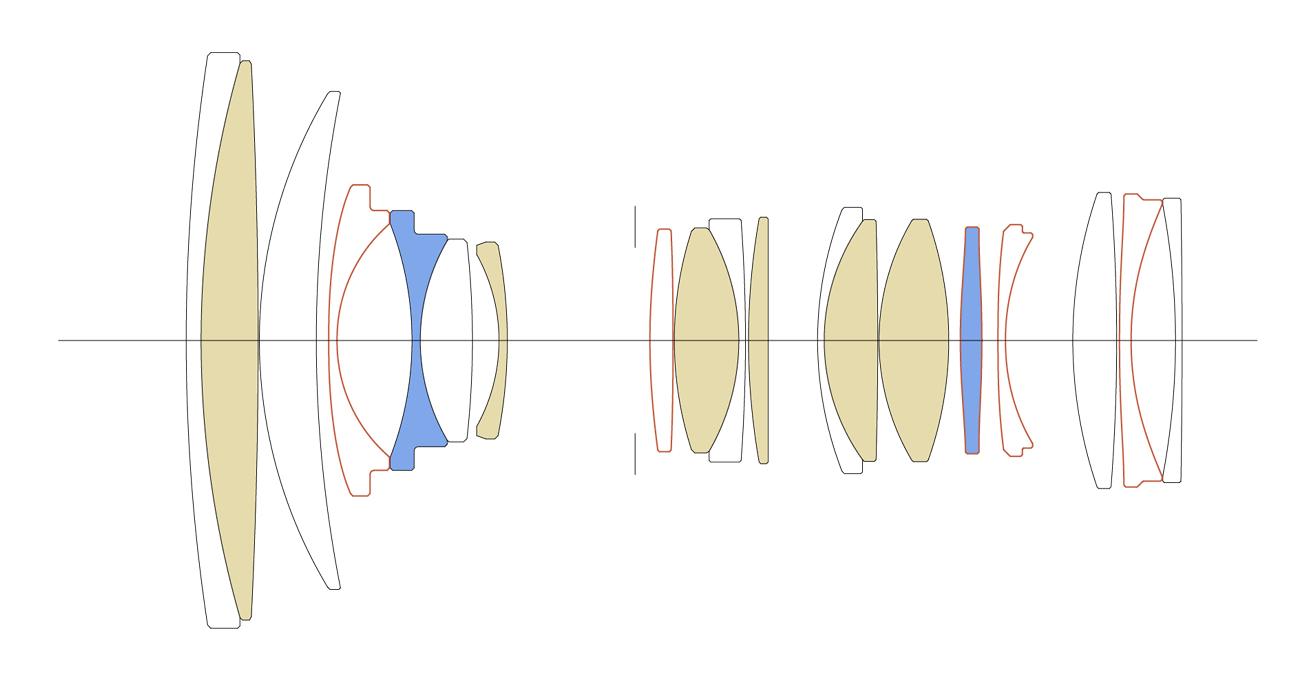
Lens Construction19 elements in 15 groups (6 FLD, 2 SLD, 5 aspherical elements)
Angle of ViewL-Mount:84.1-34.3°
Sony E-mount:84.1-34.3°
Number of Diaphragm Blades

11 (rounded diaphragm)

Minimum ApertureF22
Minimum Focusing Distance17(W)-34(T)cm / 6.7(W)-13.4(T)in.
Maximum Magnification Ratio1:2.7(W)-1:4(T)
Filter Sizeφ82mm
Dimensions (Diameter × Length)

L-Mount:φ87.8mm x 120.2mm / φ3.5in. x 4.7in.
Sony E-mount:φ87.8mm x 122.2mm / φ3.5in. x 4.8in..

WeightL-Mount:745g / 26.3oz.
Sony E-mount:735g / 25.9oz
Edition Number

A024

The three-digit code on the surface of the lens is to indicate the year the lens was first released.
(Since it is different from the year of manufacture, the release year and edition number may not match depending on the mount.)

Supplied Accessories

CASE
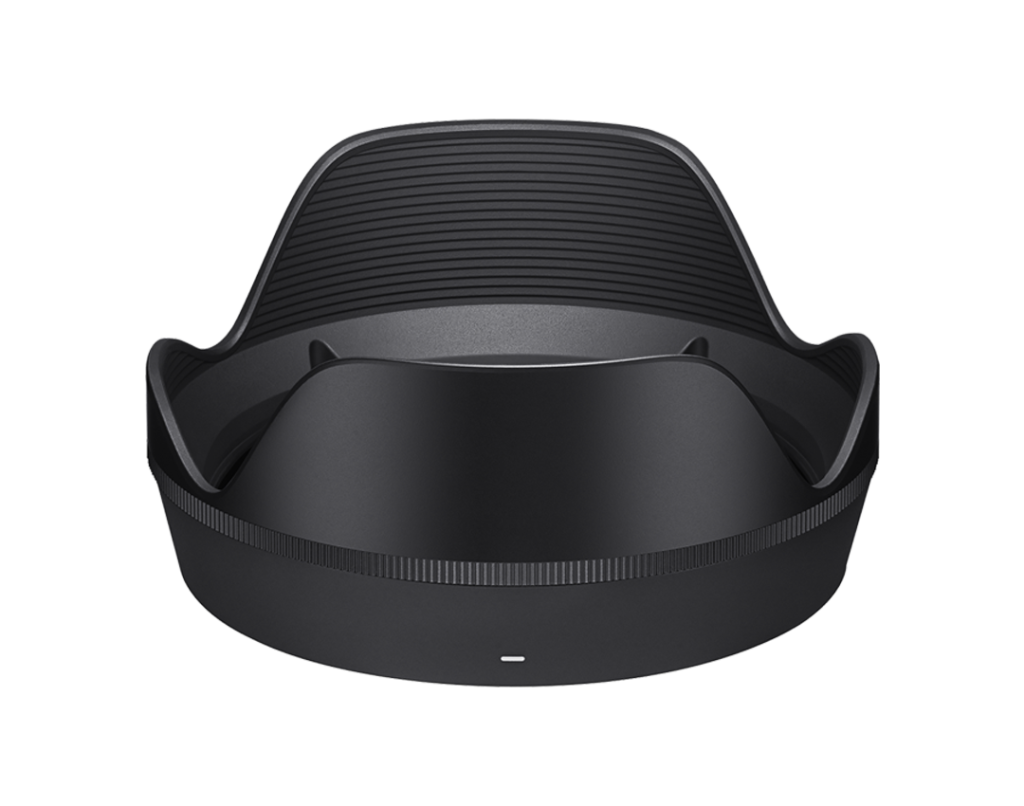
LENS HOOD LH878-05
FRONT CAP LCF-82 III
REAR CAP LCR II

Mount / Product BarcodeL-Mount:00-85126-94142-0
Sony E-mount:00-85126-94141-3
Camera CompatibilityLINK

* The appearance and specifications of the product are subject to change.
* This product is developed, manufactured and sold based on the specifications of E-mount which was disclosed by Sony Corporation under the license agreement with Sony Corporation.
* L-Mount is a registered trademark of Leica Camera AG.

Rendering performance worthy of the flagship name

The Sigma 24-70mm F2.8 DG DN II | Art is the successor to the Sigma 24-70mm F2.8 DG DN | Art, which is known for its high optical performance, and has further improved resolution throughout the zoom range. The lens has high sharpness throughout the entire image from its maximum aperture, even on high-resolution cameras. Focusing on enhancing its rendering performance, the brightness of F2.8 produces a large, beautiful bokeh effect, and allows users to experience the power of a flagship lens in all types of visual expression. In addition to its advanced close-up capability and resistance to flare and ghosting, the lens is designed to minimize focus breathing, providing ideal images in any situation.


High optical performance across the entire image and zoom range

The optical design of the lens includes 6 FLD glass elements, 2 SLD glass elements, and 5 aspherical lens elements to thoroughly suppress various aberrations throughout the entire zoom range. In particular, sagittal coma flare has been well controlled to achieve consistently high resolution all the way to the periphery of the image. By also effectively correcting lateral chromatic aberration, high resolution, beautifully rendered images can be achieved, free from color fringing can be achieved.


Incorporating 5 aspherical lenses

The use of 5 high-precision aspherical lenses enables both high optical performance with minimal aberration correction and a compact optical design. The Sigma’s only manufacturing base, the Aizu factory’s ultra-high-precision aspherical molding technology makes it possible to produce the thin, highly polarized aspherical lenses that are essential for the construction of this lens. This has brought about a higher degree of freedom in optical design.


Excellent close-up capability

The lens has excellent close-up capability with a minimum focusing distance of 17cm / 6.7in. at the wide end and a maximum magnification ratio of 1:2.7. This is useful when composing close-up shots of a subject, or when shooting in tight spaces where it is difficult to get a good distance from the subject.

* Be extremely careful that the front lens element does not hit the subject when photographing. Remove the lens hood when photographing at the minimum focusing distance at the wide-angle end.



Designed to minimize flare and ghosting

Flare and ghosting, which reduce image quality, have been largely eliminated using advanced simulation technology, ensuring the lens renders rich, high-contrast results in all conditions. In addition, Nano Porous Coating and Super Multi-Layer Coating have been applied to help suppress flare and ghosting to the utmost degree. High backlight resistance enables clear and sharp images under any lighting conditions.


Minimal focus breathing

The lens has been designed to suppress focus breathing. The change in angle-of-view due to focus shift across the entire zoom range is minimized, creating a natural-looking focus pulls when recording video.


Improved portability and expanded feature set

The body of the Sigma 24-70mm F2.8 DG DN II | Art is approximately 7% smaller in size and 10% lighter in weight than the previous model, while improving usability by adding an aperture ring and two AFL buttons. Despite the reduction in size and added features, the lens maintains Sigma’s renowned excellent build quality, with the uncompromisingly precise and robust construction expected of a professional photographic tool.



Highly portable lens body

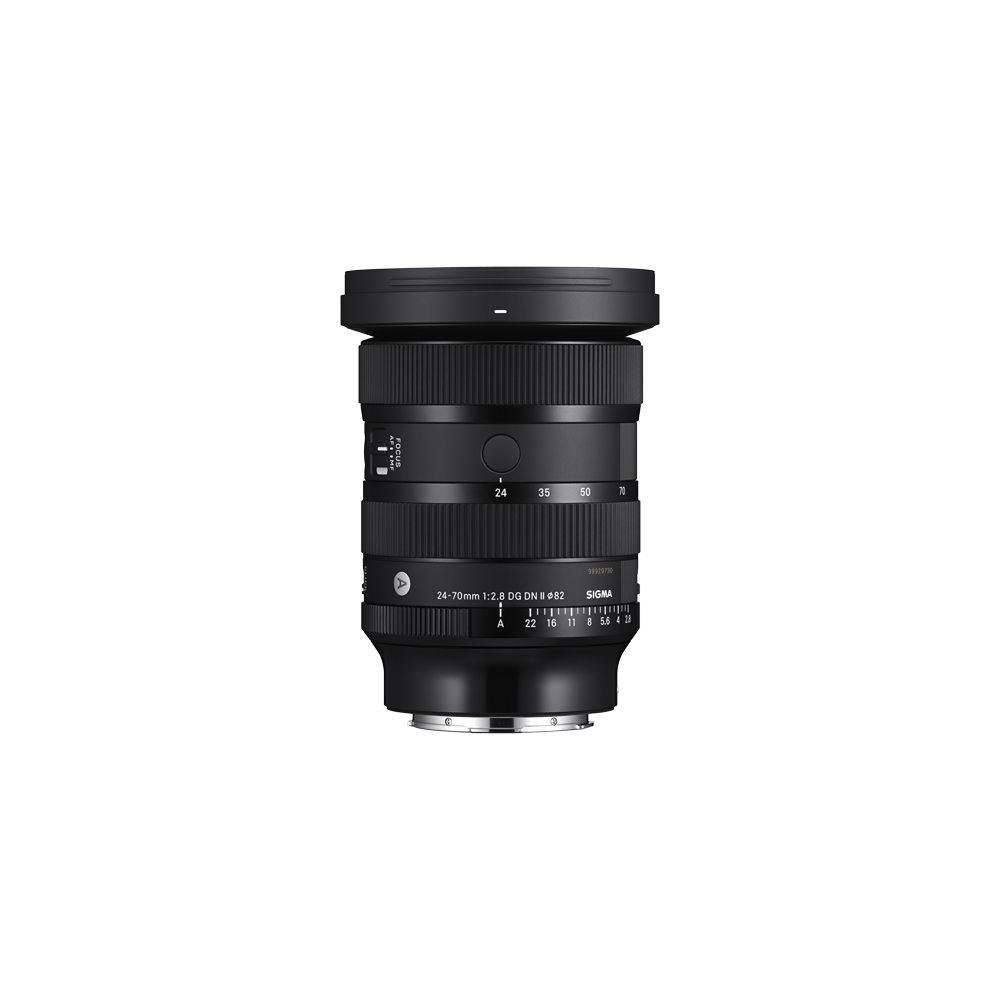
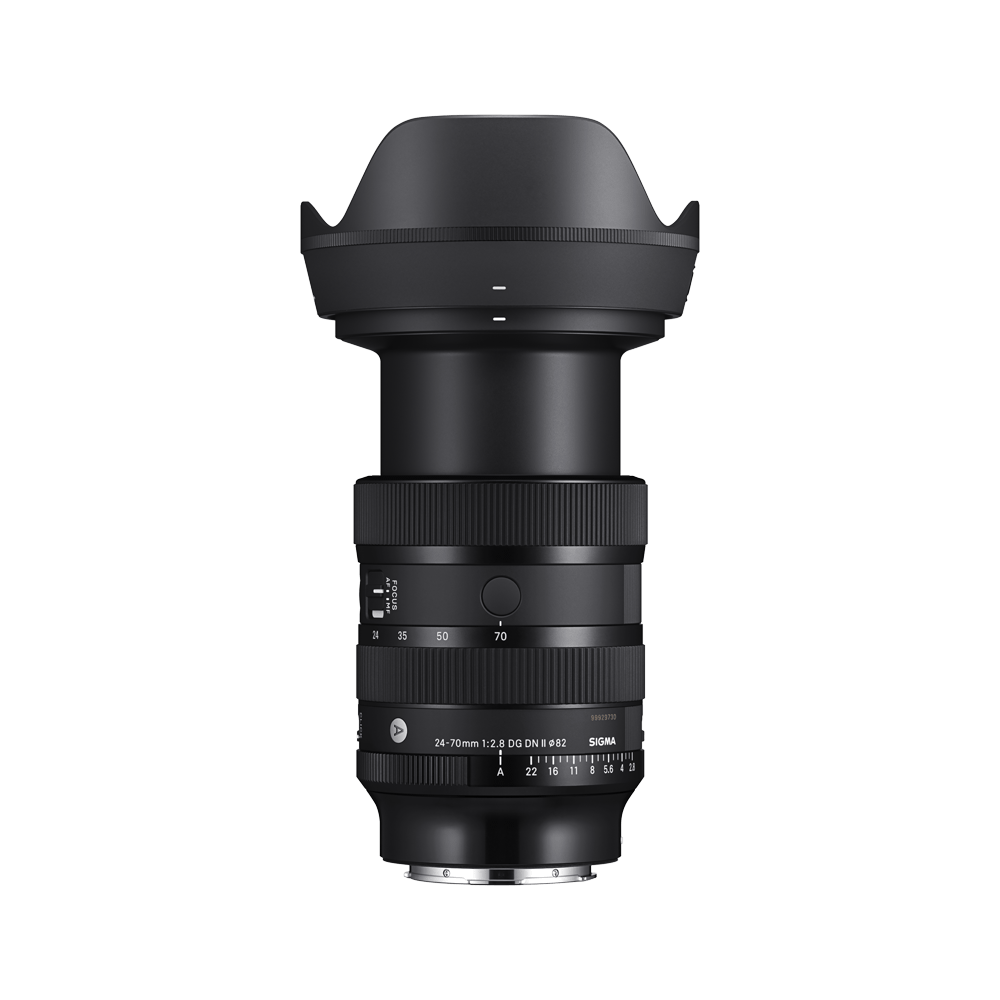
While the number of lens elements used in its construction is the same as that of the previous model, the overall length has been shortened owing to an advanced optical design. In addition, the more efficient mechanical design has resulted in a highly portable lens body with a maximum diameter of φ87.8mm x 120.2mm / φ3.5in. x 4.7in., and weight of 745g / 26.3oz. *

* These figures are for L-Mount.


LENS CONSTRUCTION


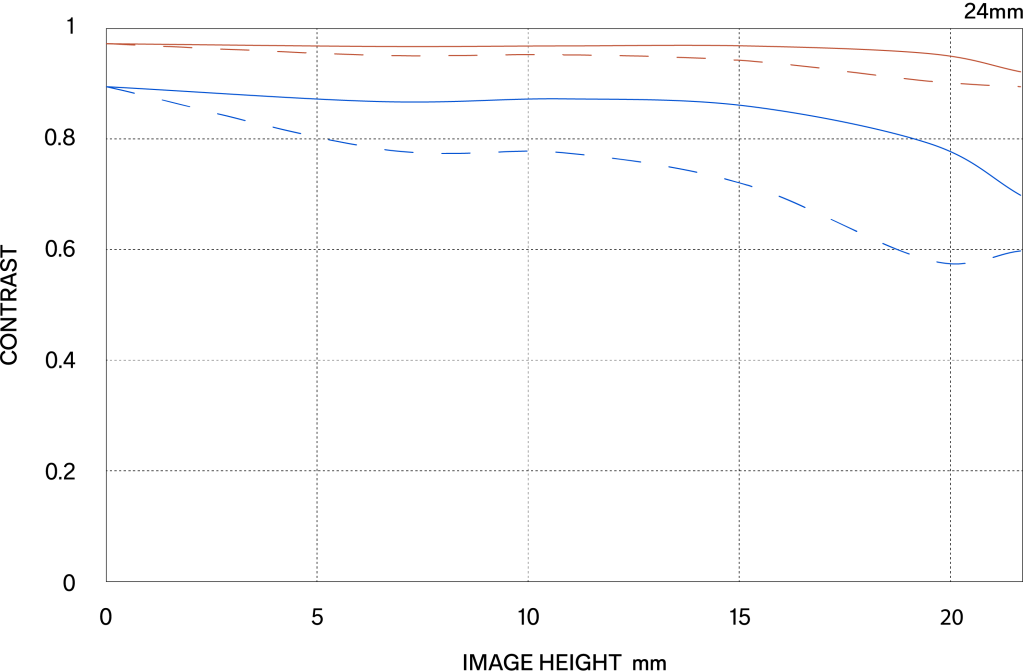
MTF Chart


DIFFRACTION MFT
 

DIFFRACTION MFT
 

GEOMETRICAL MFT
 

GEOMETRICAL MFT
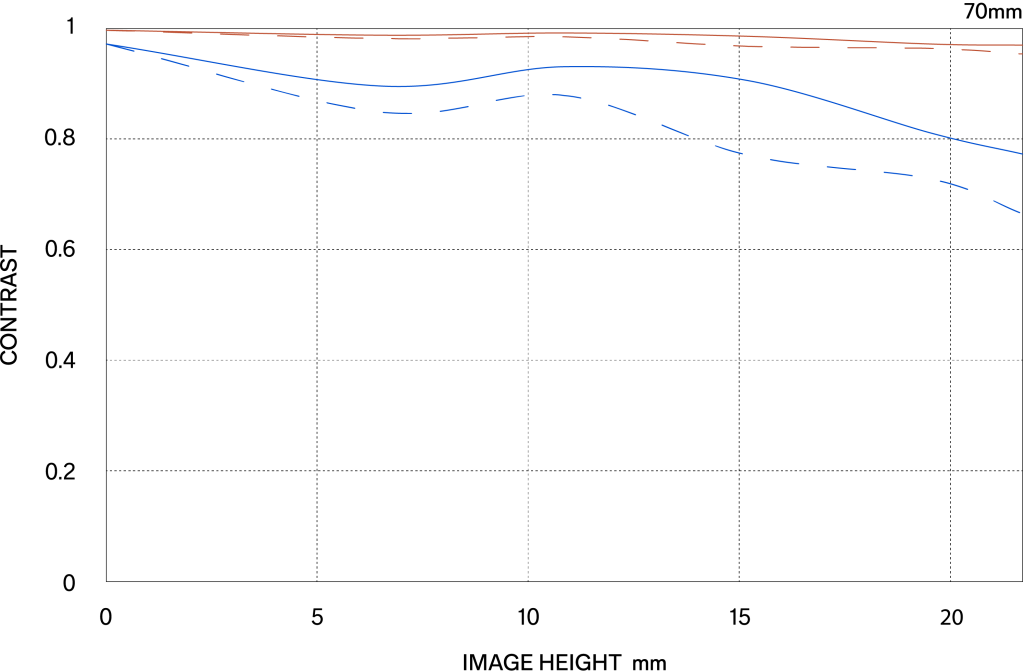


MTF CHART GUIDE

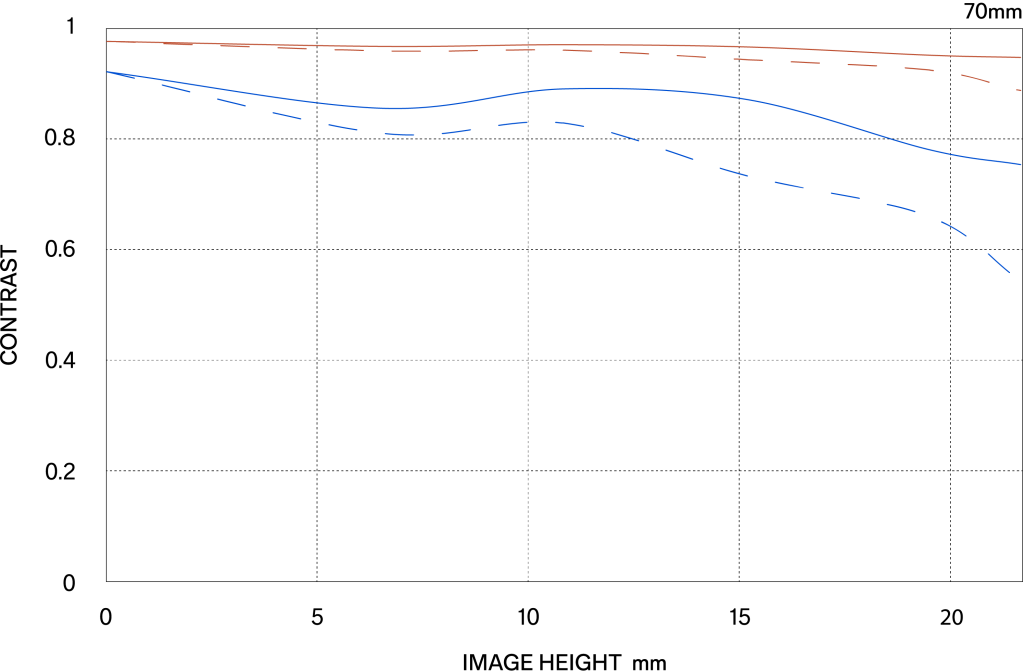
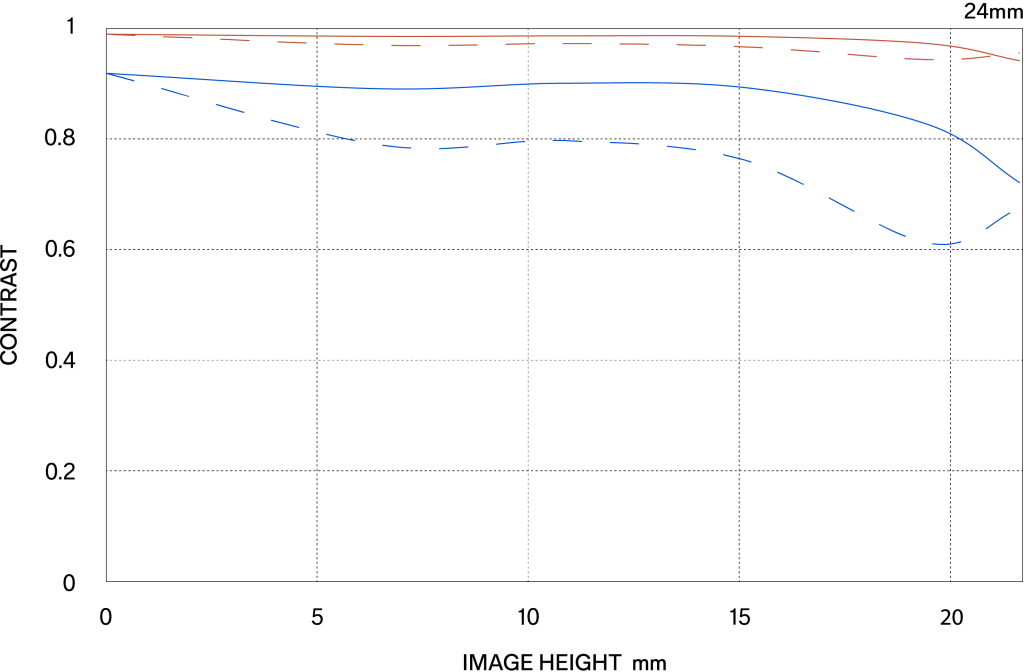
The MTF (Modulation Transfer Function) is one of the measurements for evaluating a lens’ performance, and it shows how faithfully the contrast of the subject can be reproduced on the image plane. The horizontal axis shows the image height (distance from the center of the image in mm) and the vertical axis shows the contrast value (maximum value is 1).
The closer the 10 line pairs/mm curve is to 1, the higher the contrast and clarity of the lens is, and similarly, the closer the 30 line pairs/mm curve is to 1, the better the resolution and sharpness of the lens is.

*The MTF chart depicts the result at the wide-open aperture.
*For mirrorless lenses that support distortion correction, the horizontal axis shows the image height equivalent to when an L-Mount lens is attached to a Sigma L-Mount camera with distortion correction applied. (The effect of distortion correction may differ depending on the mount and camera used.)
*The spatial frequency indicates the variation on the image plane before distortion correction is performed.

Inner focus system

To increase stability, this lens configuration uses movable internal lens elements that adjust focus without changing the length of the lens barrel.


HLA (High-response Linear Actuator)

HLA is Sigma’s proprietary linear motor. It drives the focus lens directly without going through gears or other mechanical parts, resulting in quiet, high-precision autofocusing.


Compatible with Lens Aberration Correction

Matching the optical characteristics of the lens, this function performs in-camera corrections of peripheral illumination, chromatic aberrations, distortion, and more, to further enhance image quality.

*Function available on supported cameras only. Available corrections or auto correction functionality may vary depending on the camera model.
*On cameras where lens aberration correction is controlled with ‘ON’ or ‘OFF’ in the camera menu, please set all aberration correction functions to ‘ON'(AUTO).


Nano Porous Coating

The super multi-layer coating is combined with Sigma’s unique coating technology “NPC (Nano Porous Coating)”. The lens has been designed to be less susceptible to strong incident light such as backlight.
“NPC (Nano Porous Coating)” incorporates porous silica as the coating material. The porous silica layer has nano-sized holes with air inside. Having holes of this size enables a large reduction in the refractive index, allowing the reflectance to be lowered more than conventional anti-reflective coatings. As a result, reflected light causing flares and ghosting is sharply reduced, achieving clear image quality.


Super Multi-Layer Coating

Sigma’s own Super Multi-Layer Coating suppresses flare and ghosting by preventing reflections with in the lens. All lenses in the current Sigma range feature this original technology. In digital cameras, flare and ghosting may also be caused by reflections between the image sensor and lens surfaces. Here too, Sigma’s Super Multi-Layer Coating is highly ef fective, assuring images of outstanding contrast.


Water and oil repellent coating

Incorporates a water and oil-repellent coating that allows water to be wiped away easily and prevents oil and fat from sticking to the surface, even in challenging shooting conditions. At the same time, the maintenance of the lens surface becomes easier.


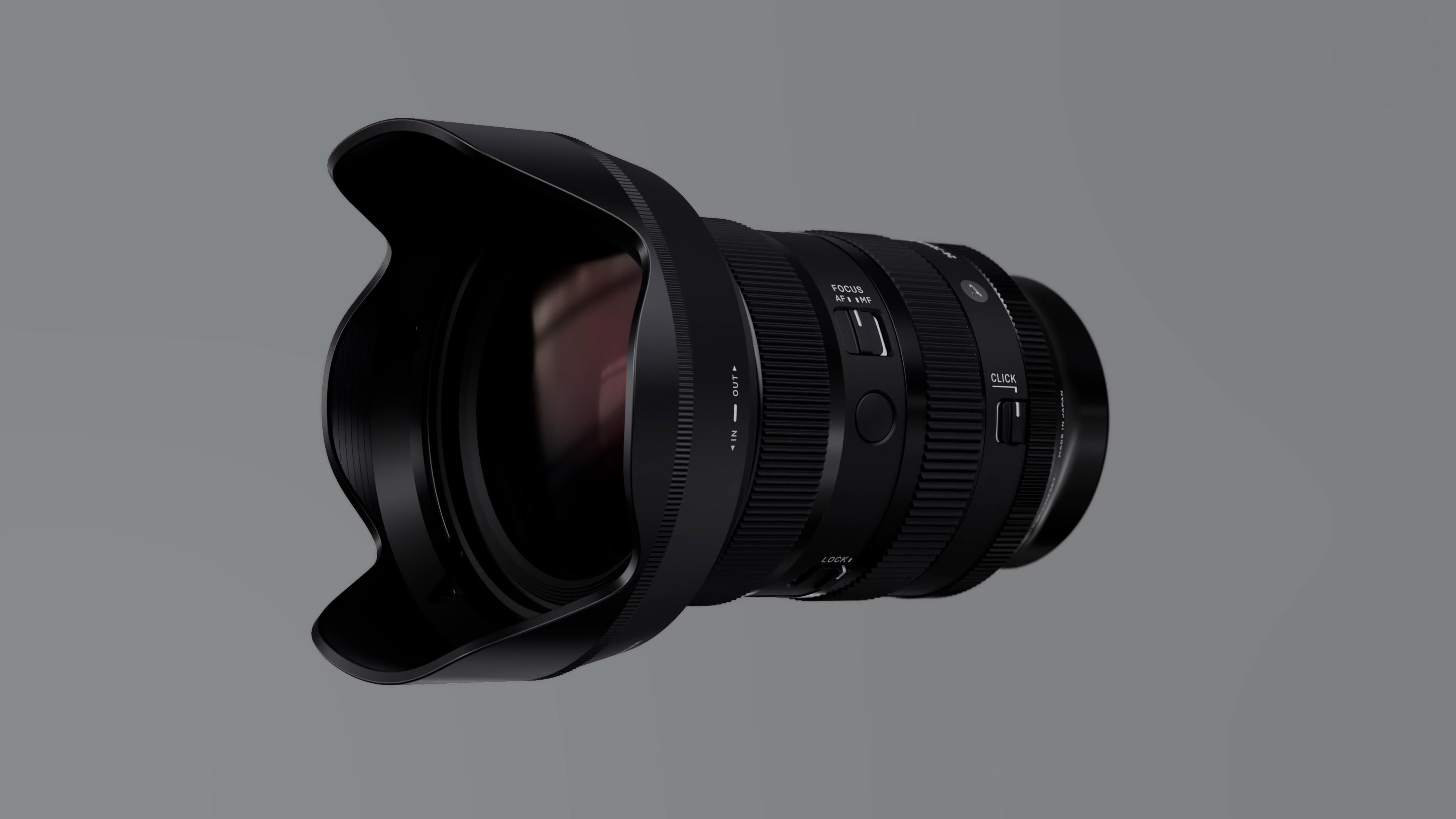
Aperture ring

Aperture ring, designed to help users work intuitively


Aperture ring click switch

Mounted with a de-click function for removing clicks by the aperture ring click switch, enabling seamless operations that are especially useful such as during video shooting.


Aperture ring lock switch

A ring lock system to prevent from unintended movement of the aperture ring during shooting.


AFL button

the AFL button can be assigned with various functions widens the range of operations available on the lens.


Focus Mode Switch

Using this swich, it is possible to switch the focus mode between AF and MF.


Linear focus / Non-linear focus (for L-Mount only)

A focus movement method of interchangeable lenses for mirrorless cameras (DN lens) in relation to the rotational angle of the focus ring during manual focusing.
With “non-linear focus,” the amount of focal point movement varies depending on the focus ring rotational speed.
With linear focus, if the focus ring rotational angle is the same, the amount of focal point movement remains the same regardless of the focus ring rotational speed.


Dust and Splash Resistant Structure

This lens features a highly effective dust and splash resistant structure with special sealing at the mount connection, manual focus ring, zoom ring, and cover connection.

*Although this construction allows the lens to be used in light rain, it is not the same as being waterproof, so please prevent large amounts of water from splashing on the lens. It is often impractical to repair the internal mechanism, lens elements and electric components if they are damaged by water.


Rounded diaphragm

The polygonal shape of a conventional iris diaphragm causes out-of-focus light points to appear polygonal. A rounded diaphragm is designed to produce rounded out-of-focus light points when opened to near maximum aperture. This creates attractive bokeh effects in many situations, such as when photographing a subject against an out-of-focus surface of water from which light is being reflected.


Compatible with high-speed autofocus

Supports DMF and AF+MF

Compatible with AF assist (for Sony E-mount only)

Petal-type hood with lock LH875-05


Designed to minimize flare and ghosting

Every single lens undergoes Sigma’s proprietary MTF measuring system

High-precision, durable brass bayonet mount

Mount Conversion Service available

“Made in Aizu, Japan” craftsmanship

CameraSIGMA fp L
Shutter Speed1/80s
Lens F NumberF13
ISO200
Focal Length63mm
PhotographerMasato Ono

CameraSONY α7R IV
Shutter Speed1/1250s
Lens F NumberF4.5
ISO250
Focal Length70mm
PhotographerOri Saito

CameraSony α7R IV
Shutter Speed1/60s
Lens F NumberF5
ISO250
Focal Length60mm
PhotographerOri Saito