IN FOCUS: NOSTALGIA AND SAUDADE
IMPRESSION IN FOCUS: NOSTALGIA AND SAUDADE SIGMA Canon RF Mount by Ara Coutts My name is Ara Coutts and I am an artist. To many reading this bio, that may…
READ MORE
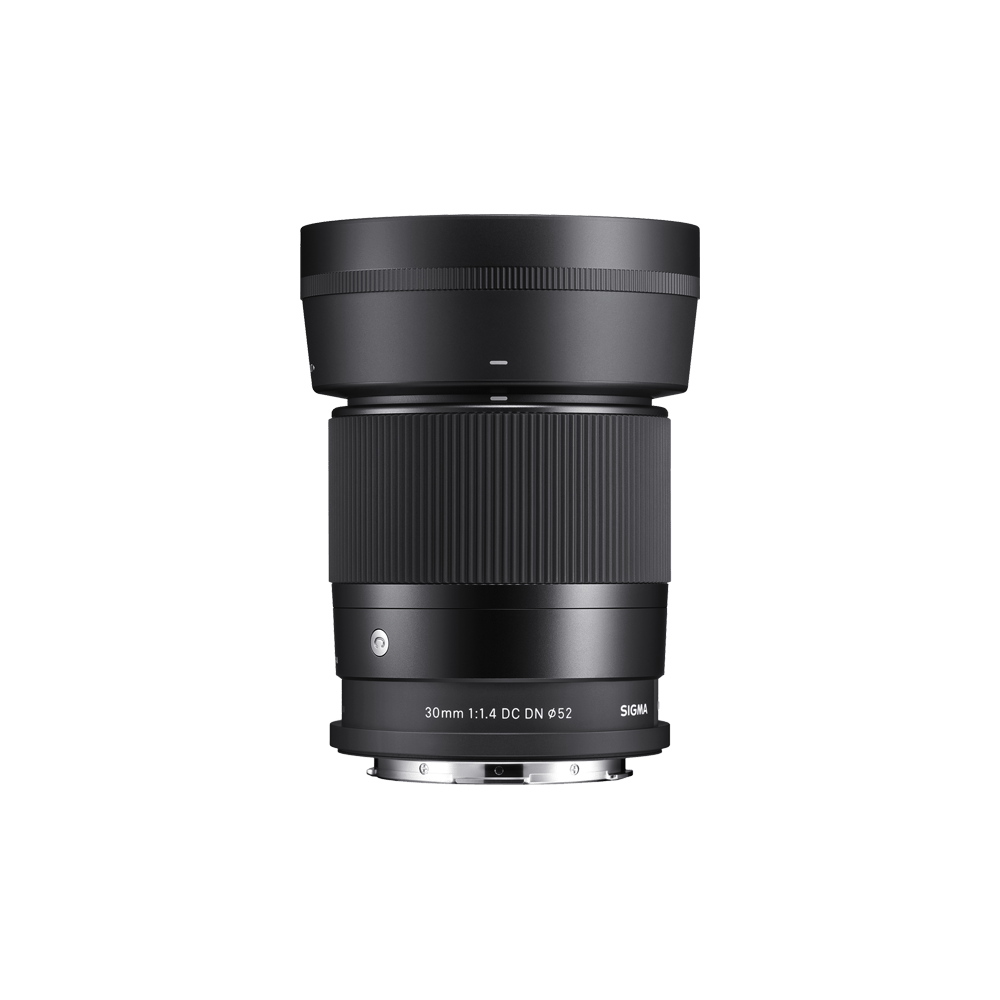
A member of the high-performance Contemporary line, featuring Sigma’s latest technologies
For optimal balance with light, compact camera bodies with a short flange back distance, Sigma designed the new Sigma 30mm F1.4 DC DN | Contemporary lens to be extremely compact. Moreover, the special design of the focus lens group allows fast and smooth AF performance for videography and more. This lens combines a compact design and comfortable operation while prioritizing outstanding image quality. Featuring Sigma’s latest technologies, this lens digitally corrects optical distortion.
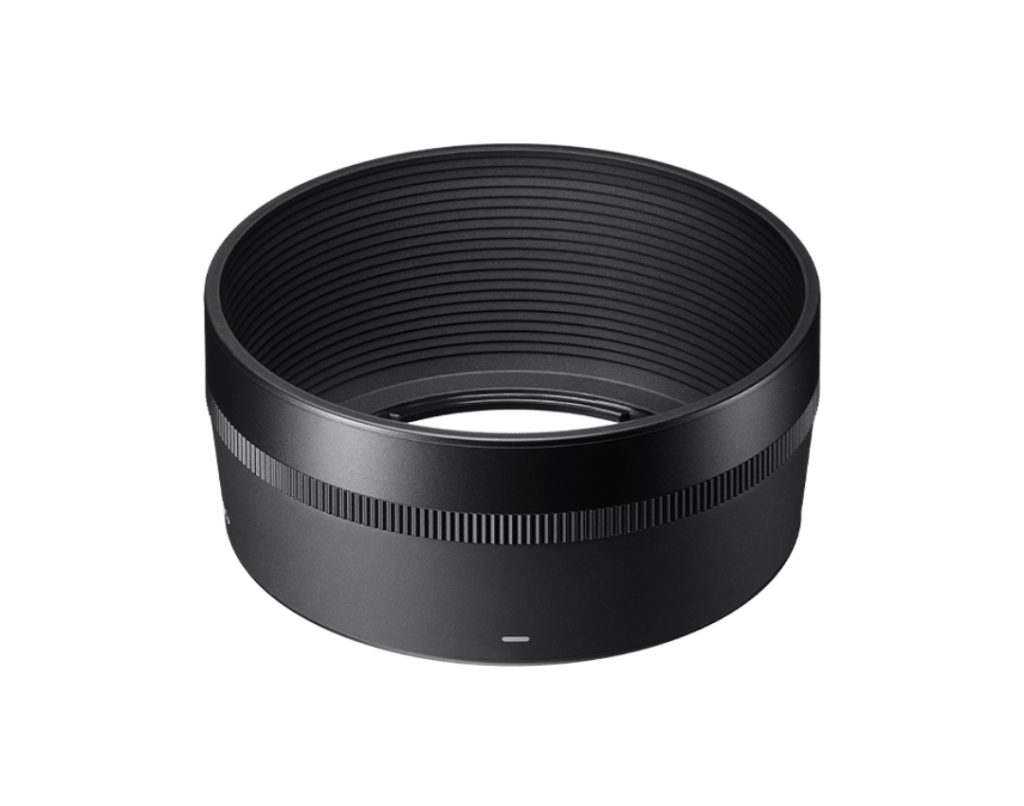
Extra-long Hood (Supplied)

TSC used for a more compact structure and enhanced performance
Since new material (*)TSC (Thermally Stable Composite) is highly elastic, it exhibits minimal deformation. Parts made of TSC are therefore less prone to develop gaps between each other over time. The Sigma 30mm F1.4 DC DN | Contemporary features a lens barrel and aperture parts made of TSC, which contribute both to the compactness of the lens and the smooth functioning of the aperture system. TSC helps increase the precision of cells holding lens elements and parts related to the focus lens group, further enhancing lens performance.
(*)TSC (Thermally Stable Composite)
TSC (Thermally Stable Composite) is a type of polycarbonate with a thermal expansion rate similar to that of aluminum. It has high affinity to metal parts which contributes to high quality product manufacturing.
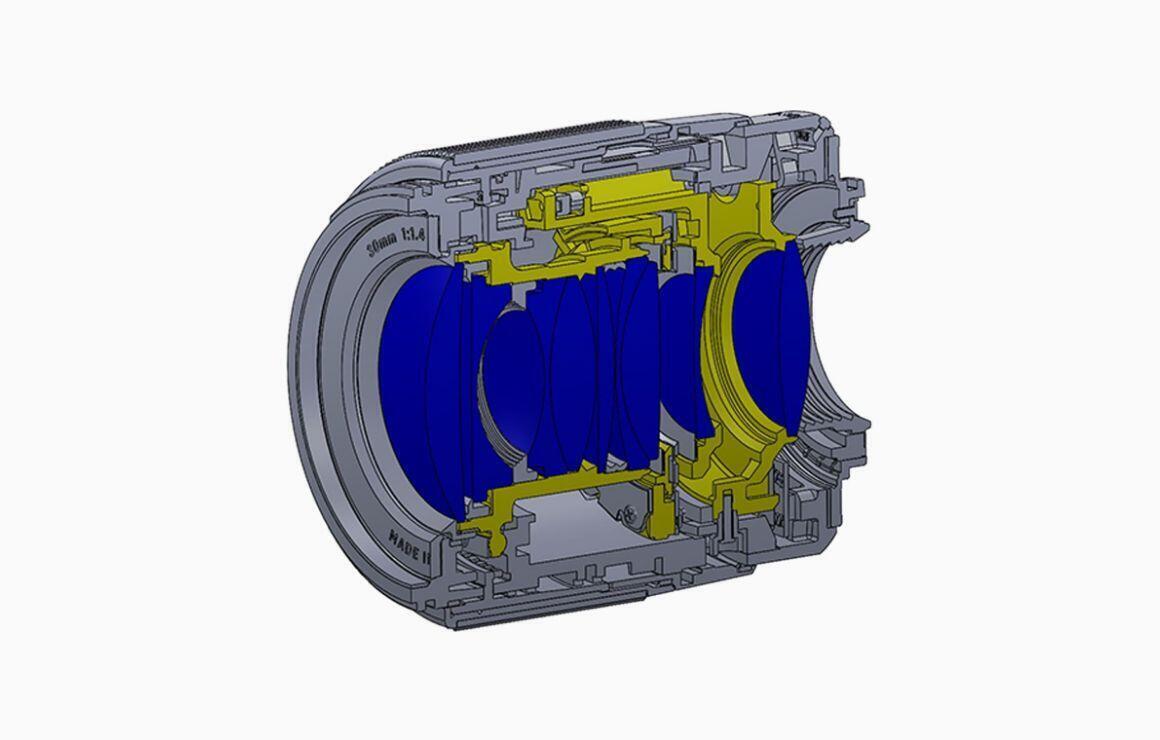
Combining compactness with outstanding optical performance
The front lens element features high-refractive index, high-dispersion glass for extra power and a shorter overall lens length. To optimize the lens for mirrorless cameras, two aspherical lens elements help ensure outstanding image quality and overall compactness. The Sigma 30mm F1.4 DC DN | Contemporary features Sigma’s inner focus technologies, while lighter lens elements in the focus lens group make possible a more compact actuator. Moreover, this lens offers outstanding stability whether the photographer is shooting handheld or has the camera placed on a surface. Structurally, the lens features materials and parts that contribute to its compact, lightweight structure. In summary, this is an unprecedented lens that combines outstanding optical performance with exceptional portability and usability.
Mount with Dust and Splash Resistant Structure
The mount features a special sealing* to make the lens an excellent choice in a wide variety of conditions.
* Not featured on Sony E mount, Canon EF-M mount, and Micro Four Thirds mount.
High-precision, rugged brass bayonet mount
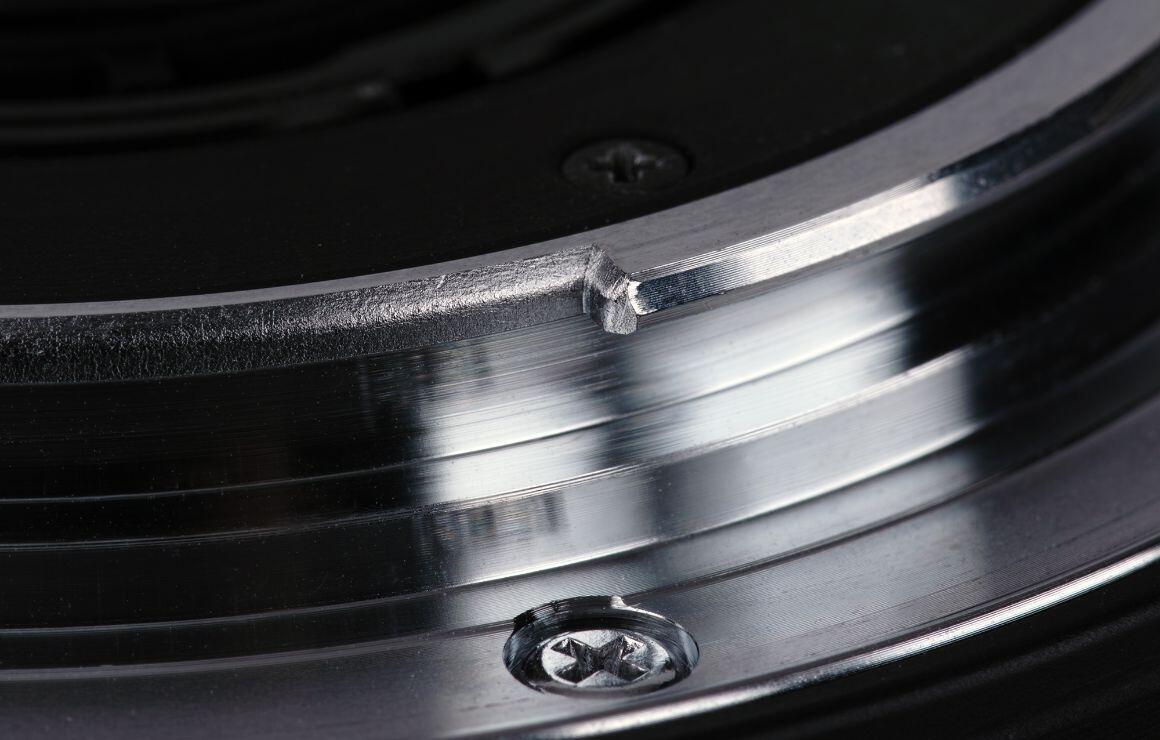
Mount with Dust and Splash Resistant Structure
The mount features a special sealing* for a dust and splash resistant structure to make the lens an excellent choice in a wide variety of conditions.
*Except for Canon EF-M mount
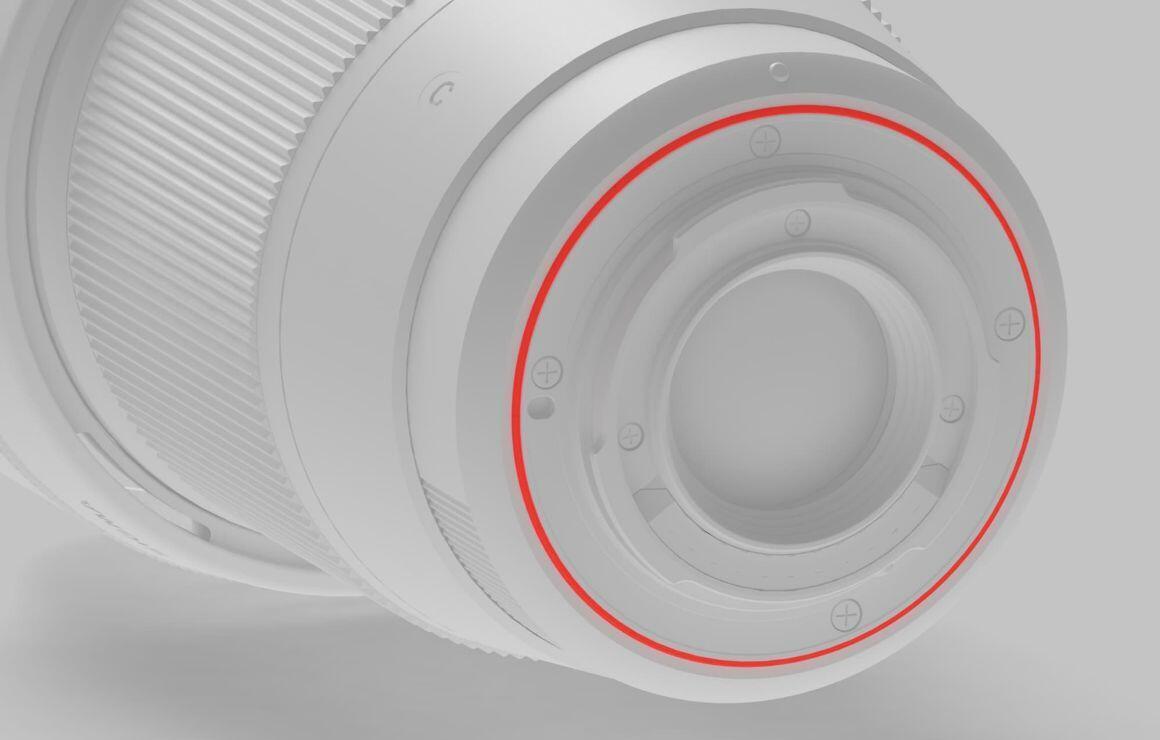
Image quality rivaling that of our Art line lenses
A compact, lightweight lens offering outstanding image quality with F1.4 brightness
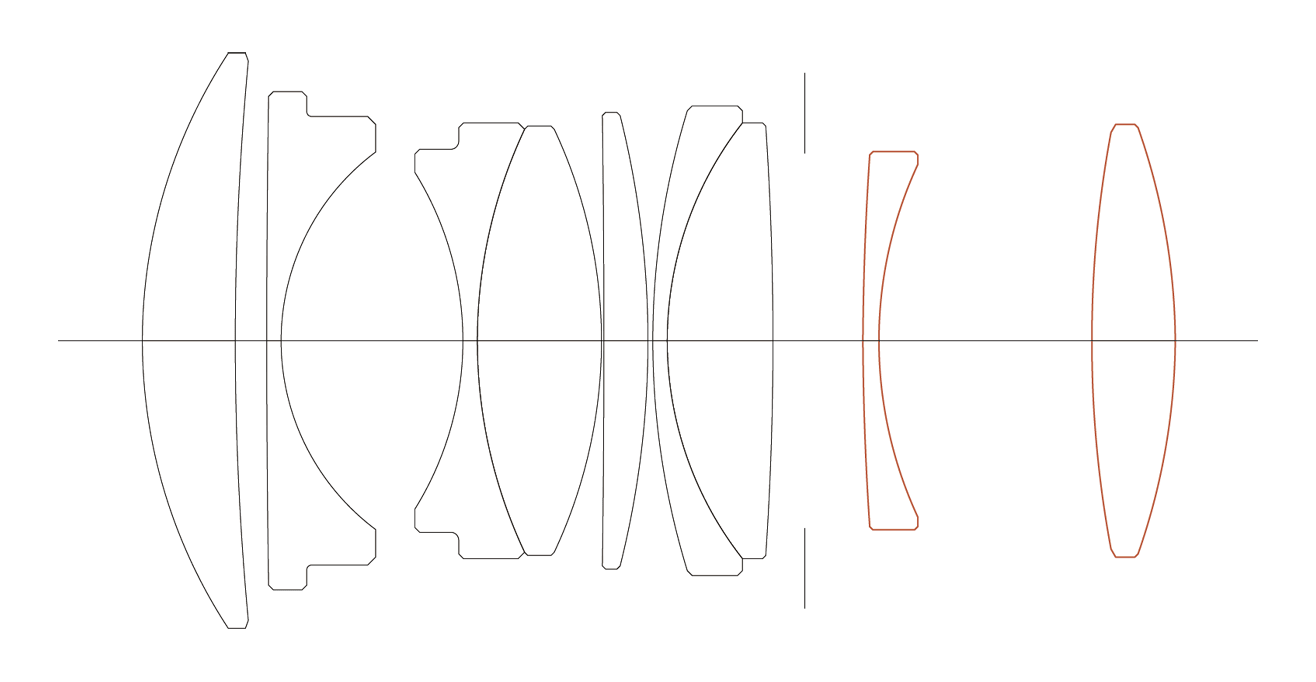
In addition to featuring an optimized layout and power distribution, this lens incorporates one aspherical lens element and one double aspherical lens element, as well as an element made of high-refractive index, high-dispersion glass with high anomalous partial dispersion. By effectively leveraging these technologies, the lens delivers an outstanding level of light to the edges of the image while minimizing transverse chromatic aberration. To correct distortion, the lens takes advantage of the image correction* capabilities of the mirrorless camera body, using the corrective power of the optical system to enhance sharpness. The final result is an extremely compact lens that delivers image quality that rivals that of our Art line lenses.
* Limited to what the camera supports.

Designed to minimize flare and ghosting
From an early stage in the lens design process, flare and ghosting have been measured to establish an optical design resistant to strong incident light sources such as backlighting. Sigma’s Super Multi-Layer Coating reduces flare and ghosting to help photographers produce sharp and high contrast images even in backlit conditions. The included lens hood can be attached to block out extraneous light, which can have a negative effect on rendering performance.

Shallow depth of field for a beautiful bokeh effect

Rounded diaphragm
The 9-blade rounded diaphragm creates an attractive blur in the out-of-focus areas of the image.

LENS CONSTRUCTION


MFT CHART
DIFFRACTION MTF
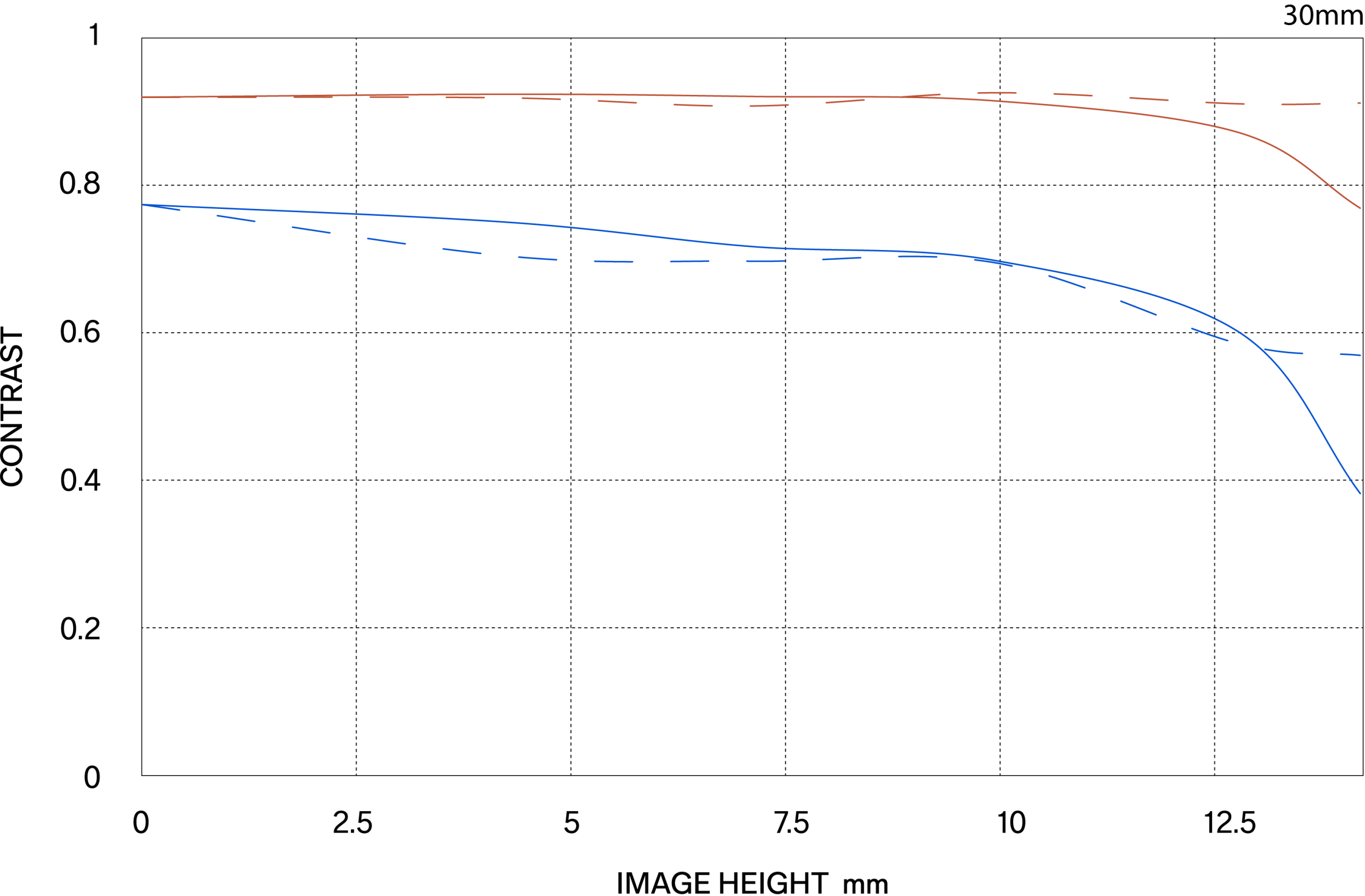
GEOMETRICAL MTF


MTF CHART GUIDE
The MTF (Modulation Transfer Function) is one of the measurements for evaluating a lens’ performance, and it shows how faithfully the contrast of the subject can be reproduced on the image plane. The horizontal axis shows the image height (distance from the center of the image in mm) and the vertical axis shows the contrast value (maximum value is 1).
The closer the 10 line pairs/mm curve is to 1, the higher the contrast and clarity of the lens is, and similarly, the closer the 30 line pairs/mm curve is to 1, the better the resolution and sharpness of the lens is.
*The MTF chart depicts the result at the wide-open aperture.
*For mirrorless lenses that support distortion correction, the horizontal axis shows the image height equivalent to when an L-Mount lens is attached to a Sigma L-Mount camera with distortion correction applied. (The effect of distortion correction may differ depending on the mount and camera used.)
*The spatial frequency indicates the variation on the image plane before distortion correction is performed.

| Camera | OLYMPUS OM-D E-M1 |
|---|---|
| Shutter Speed | 1/160s |
| Lens F Number | F1.4 |
| ISO | 200 |
| Focal Length | 30mm |
| Photographer | Wataru Nakamura |

| Camera | SONY α6000 (ILCE-6000) |
|---|---|
| Shutter Speed | 1/2500s |
| Lens F Number | F1.4 |
| ISO | 100 |
| Focal Length | 30mm |
| Photographer | Watura Nakamura |

| Camera | Nikon Z 50 |
|---|---|
| Shutter Speed | 1/50s |
| Lens F Number | F1.4 |
| ISO | 560 |
| Focal Length | 30mm |
| Photographer | Hideyuki Abe |
IMPRESSION IN FOCUS: NOSTALGIA AND SAUDADE SIGMA Canon RF Mount by Ara Coutts My name is Ara Coutts and I am an artist. To many reading this bio, that may…
READ MORE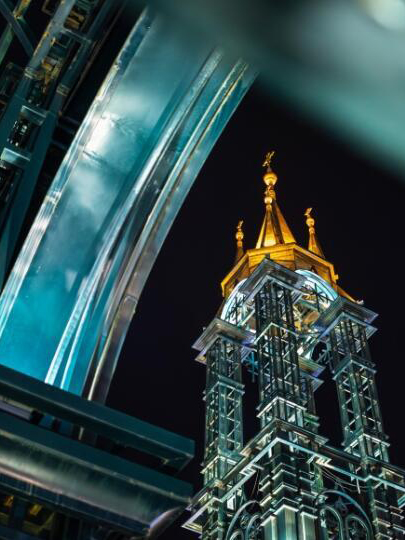
IMPRESSION STRIVING FOR “PERFECTION” IS THE ATTITUDE TO PHOTOGRAPHY. SIGMA Canon RF Mount by Jason Xu | 胡子捷森 metadata SIGMA 23mm F1.4 DC DN | ContemporaryCanon EOS R7ISO 1250, F1.4,…
READ MORE
IMPRESSION THE PERFECT COMPANIONS FOR DOCUMENTARIES THAT CONNECT WITH PEOPLE AND THE WORLD. CONTEMPORARY DC DN Nikon Z mount by Pierre-Emmanuel Delétrée metadata SIGMA 30mm F1.4 DC DN | ContemporaryNikon…
READ MORE